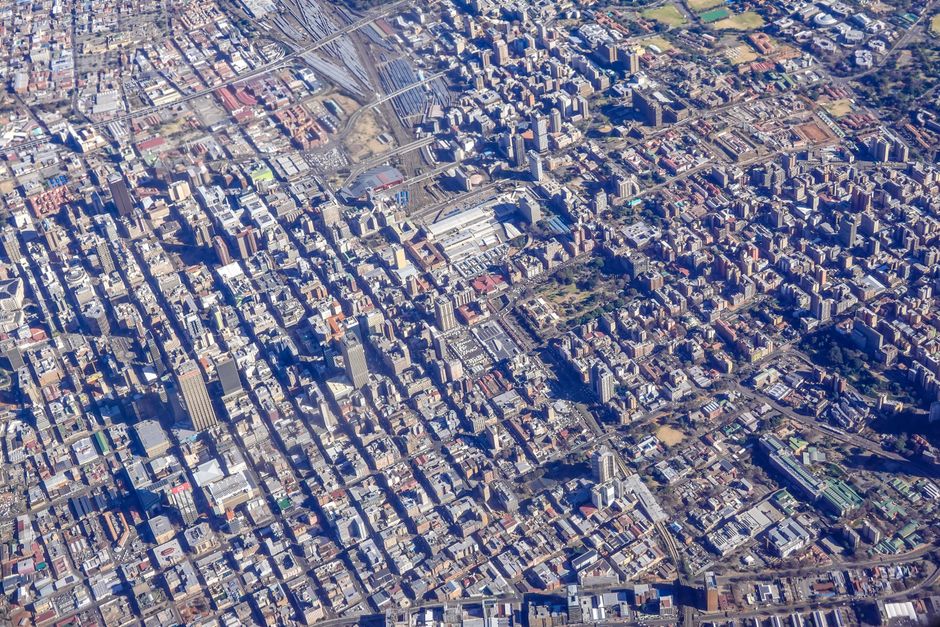
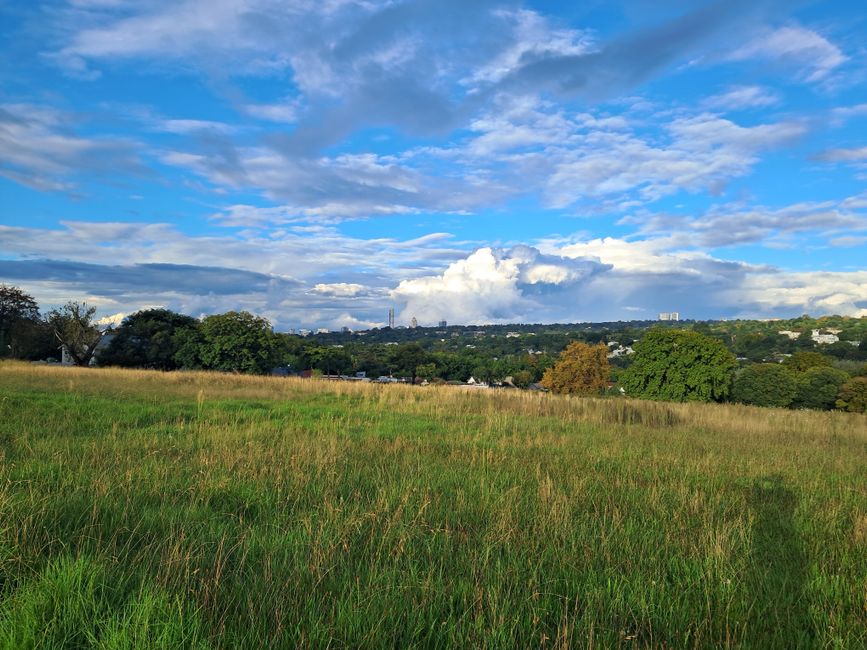
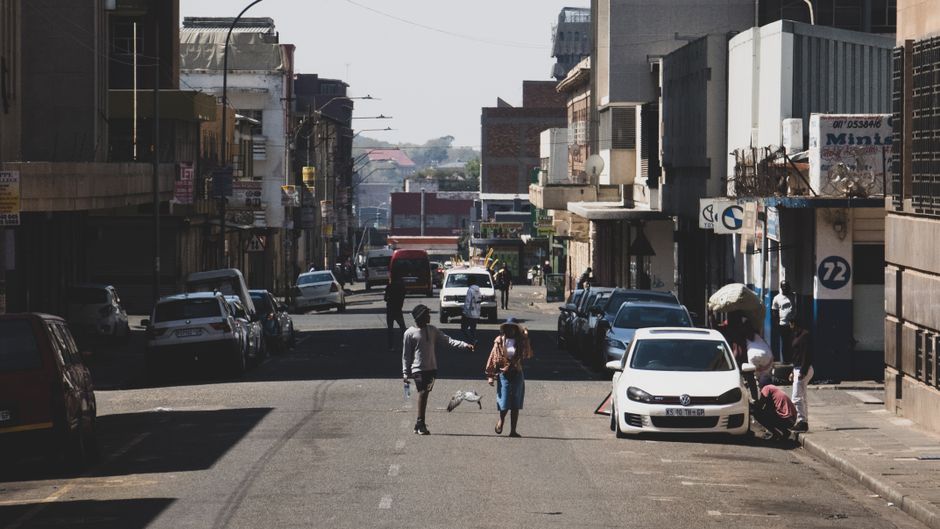
Walk through the streets of most global cities and you'll encounter predictable patterns: gentrification follows a script, neighbourhoods rebrand themselves in recognisable ways, communities either resist change or surrender to it entirely. Johannesburg refuses such simplicity. Our city's neighbourhood evolution tells a story unique in the world's metropolitan landscape—one where rapid transformation coexists with deep historical consciousness, where informal and formal economies dance an intricate tango, and where cultural identity remains fiercely contested and negotiated daily.
Consider Maboneng, where artist-led regeneration began not from municipal planning but from ground-level creative intervention. The neighbourhood's transformation into a hub for galleries, studios and craft breweries emerged organically, unlike the top-down revitalisation seen in cities like Barcelona or Berlin. Yet Maboneng's evolution carries distinctly South African tensions: questions about who truly belongs, who profits, and whose history gets narrated. This complexity—rarely acknowledged in comparable global neighbourhood guides—is intrinsic to Johannesburg.
Sandton presents another anomaly. Few cities globally host a neighbourhood that simultaneously functions as a continental financial hub, gated luxury residential enclave, and venue for cutting-edge cultural events. The precinct's ecosystem of Michelin-starred restaurants, flagship fashion boutiques, and corporate headquarters exists in physical proximity to informal trading spaces and street economies that would be systematically removed in comparable wealthy districts elsewhere. This coexistence, born from South Africa's unique history, creates an energy unmatched in Singapore's Marina Bay, London's Canary Wharf, or Dubai's Downtown.
The constitutional commitment to human rights that underpins South African city life also distinguishes Johannesburg. Public spaces—from the Johannesburg Art Gallery precinct to the Soweto Towers viewing area—remain intentionally accessible and democratic in ways that reflect our nation's founding values. Compare this to gated, privately-controlled urban cores that dominate North American and European cities, and the philosophical difference becomes apparent.
Housing affordability patterns tell similar stories. While young professionals in London, New York and Toronto face astronomical rental prices relative to salaries, Johannesburg offers pockets of remarkable value—though gentrification pressures in areas like Braamfontein and Melville mirror global trends. Yet even here, the negotiation between heritage preservation, community needs and development follows a distinctly South African rhythm, shaped by our particular history.
Ultimately, Johannesburg's neighbourhoods reflect a city still actively writing its identity, still processing profound change, still arguing about inclusion and belonging. That ongoing conversation—uncomfortable, dynamic, sometimes fractious—is what makes our urban landscape genuinely singular on the world stage.
This article was compiled by AI and screened before publishing. See our editorial standards.