The Real Way Johannesburg Gets Around: Tips and Honest Recommendations From People Who Live It Daily
Forget the guidebooks—here's what actual Joburg commuters actually do to navigate the city without losing their minds or their wallets.
Forget the guidebooks—here's what actual Joburg commuters actually do to navigate the city without losing their minds or their wallets.
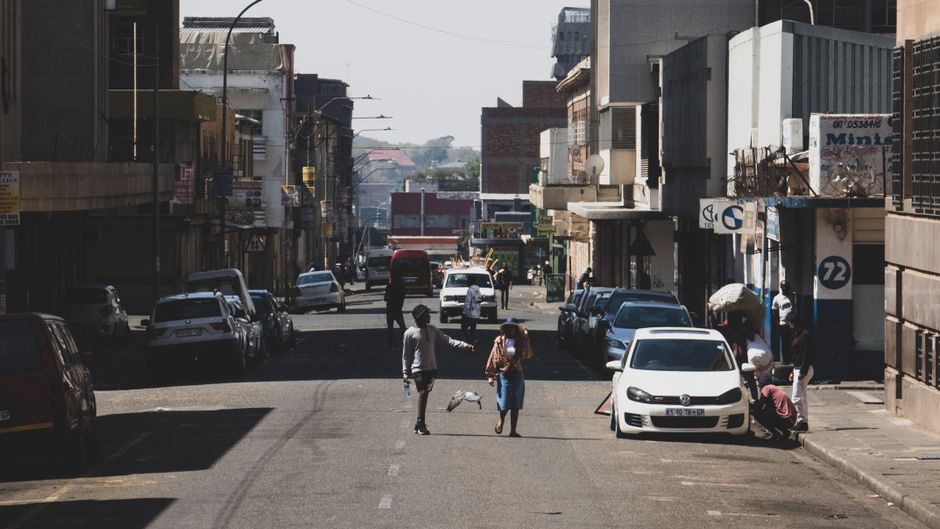
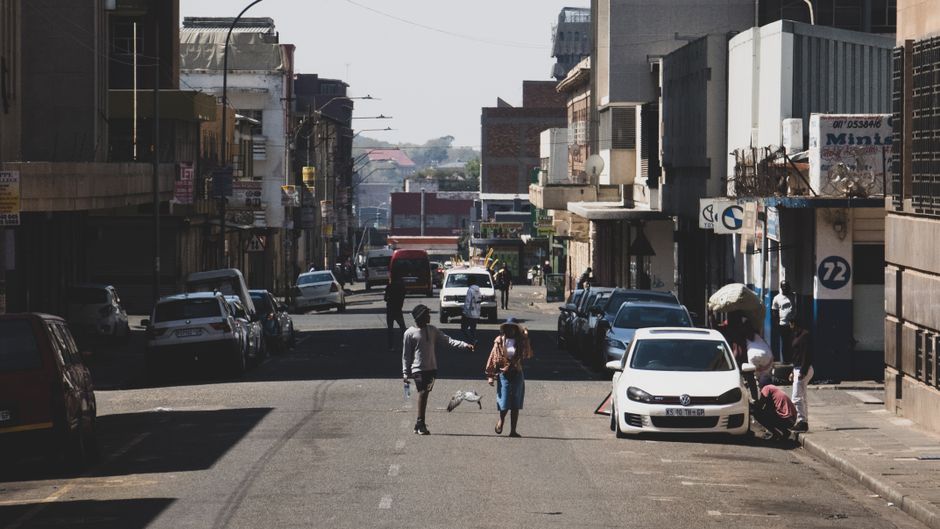
Navigating Johannesburg's sprawling geography isn't for the faint-hearted, but thousands of people crack it daily. We spoke to regular commuters across the city to understand what genuinely works in 2026.
The consensus? Plan ruthlessly around traffic peaks. Morning gridlock on the M1 heading north towards Sandton typically peaks between 7 and 8:45am. Those who've learned to shift their departure time by just 30 minutes swear by the difference. Similarly, the Johannesburg-Pretoria highway becomes a car park between 4 and 6pm—a reality that's shaped where people choose to live and work.
For those commuting between Braamfontein and the northern suburbs, ride-sharing remains popular despite costs hovering around R80–R150 per trip depending on distance. But locals consistently recommend combining transport methods: the Gautrain from Sandton station to Johannesburg station takes roughly 13 minutes and costs R29 one-way, making it viable for those with access to stations. The catch? Coverage is limited outside the CBD and premium suburbs.
Minibus taxis remain the backbone of city movement, particularly for workers travelling to Soweto, Alexandra, and the East Rand. They're cheap—typically R15–R25 per journey—and operate on routes that formal transport simply doesn't serve. Safety concerns persist, though, and experienced commuters recommend travelling during daylight hours and using established taxi ranks rather than hailing on streets.
The real game-changer many mention: location strategy. Choosing accommodation or workplace proximity to major corridors like Sandton, the Midrand business parks, or Rosebank makes commuting manageable rather than soul-destroying. Those living in Melville, Parkhurst, or Bryanston and working in the CBD typically budget 45–90 minutes each way.
Cycling is growing, particularly along the Braamfontein corridor and towards the Linden area, though road infrastructure remains inconsistent. E-scooters have emerged as a micro-mobility option for short distances, though regulations continue evolving.
The uncomfortable truth locals acknowledge: Johannesburg's transport system works best for those with financial flexibility. Owning a vehicle or affording ride-sharing regularly isn't accessible for many. Public transport reliability varies dramatically by route and time of day. The privileged use multiple options; the rest adapt with limited alternatives.
For anyone new to the city, the advice is unanimous: talk to people actually doing the commute you're considering. What works for Sandton professionals rarely mirrors realities for service workers or students. Your daily route determines your Johannesburg experience more than any guidebook ever could.
This article was compiled by AI and screened before publishing. See our editorial standards.
How does this story make you feel?
Spread the word
About this article
Published by The Daily Johannesburg
Daily brief
Free, in your inbox before 7am. Weekdays.
More in lifestyle