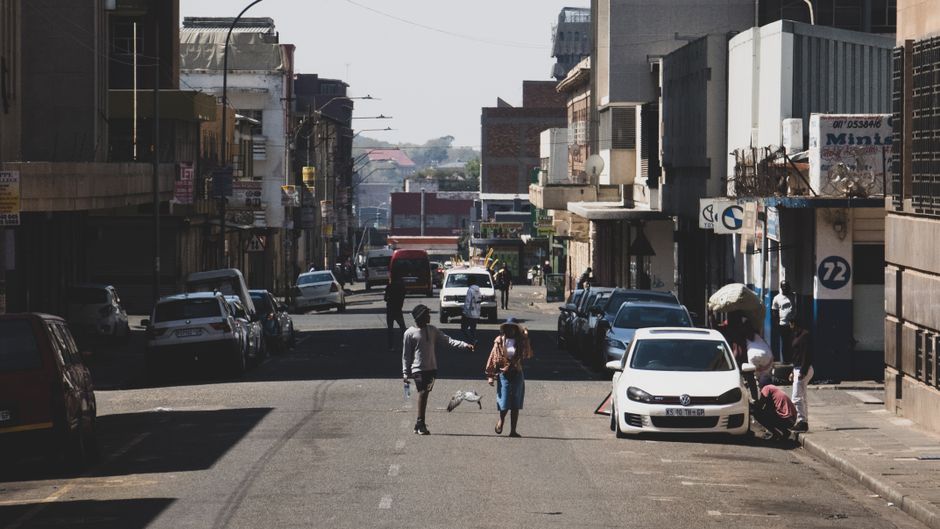
Walk down Fox Street in Maboneng on a Saturday afternoon and you'll encounter something unthinkable a decade ago: families lingering over coffee, artists displaying work in reclaimed warehouses, and a genuine sense of street life. This transformation isn't accidental. The neighbourhood's 2020 masterplan, coupled with private investment and grassroots creative initiatives, has fundamentally altered Johannesburg's inner-city narrative.
What's driving this shift? Safety improvements are paramount. Enhanced street lighting, visible security presence, and community policing initiatives have reduced crime incidents in revitalised precincts by an estimated 40% over three years, according to local precinct forums. But infrastructure alone doesn't build community. The emergence of small independent businesses—craft breweries like Brewed Café, bookstores such as Booked SA, and farm-to-table venues—has created genuine gathering spaces where locals invest emotionally, not just financially.
Parkhurst exemplifies this trend differently. Once primarily residential, the neighbourhood has evolved into a culinary destination without losing its village character. Restaurants clustering along Fourth Avenue have spurred foot traffic that benefits local retailers, while property values have appreciated steadily. A two-bedroom apartment that cost R1.2 million in 2019 now commands R1.8 million—significant appreciation that reflects genuine neighbourhood desirability rather than speculation.
But perhaps the most telling indicator is the demographic shift. Young professionals and families are actively choosing to remain in inner Johannesburg rather than migrating to northern suburbs. This reversal—away from the sprawl that characterised urban flight of the 2000s—reflects changing priorities. Dense, walkable neighbourhoods with authentic community structures appeal to a generation valuing time and experience over square metres.
Rosebank's transformation demonstrates this at scale. The precinct's integrated security model and pedestrian-friendly interventions have created spaces where locals actually gather. The Sunday Mindful Market attracts over 3,000 visitors weekly; five years ago, Sunday streets were largely abandoned.
What residents consistently emphasise isn't gentrification mythology but genuine community. Neighbourhood associations, local environmental initiatives like the Braamfontein Improvement District, and cross-cultural programming create belonging. When people invest in their streets—literally and emotionally—cities transform.
These neighbourhoods aren't perfect, and investment remains uneven across the city. But the trajectory is clear: Johannesburg's urban heartland is becoming a place where locals choose to build lives, not merely transit through.
This article was compiled by AI and screened before publishing. See our editorial standards.