Master Johannesburg's Transport: Local Secrets Beyond the M1 and Gautrain
From the M1 highway to the Gautrain to your neighbourhood's best-kept transport secrets, here's how to navigate Africa's largest city efficiently—and actually enjoy the ride.
From the M1 highway to the Gautrain to your neighbourhood's best-kept transport secrets, here's how to navigate Africa's largest city efficiently—and actually enjoy the ride.
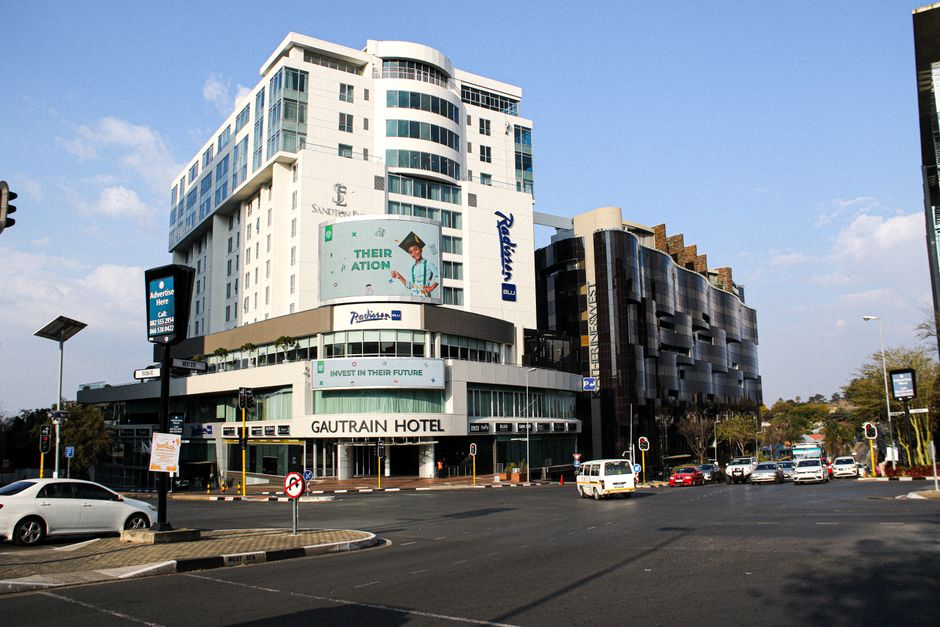
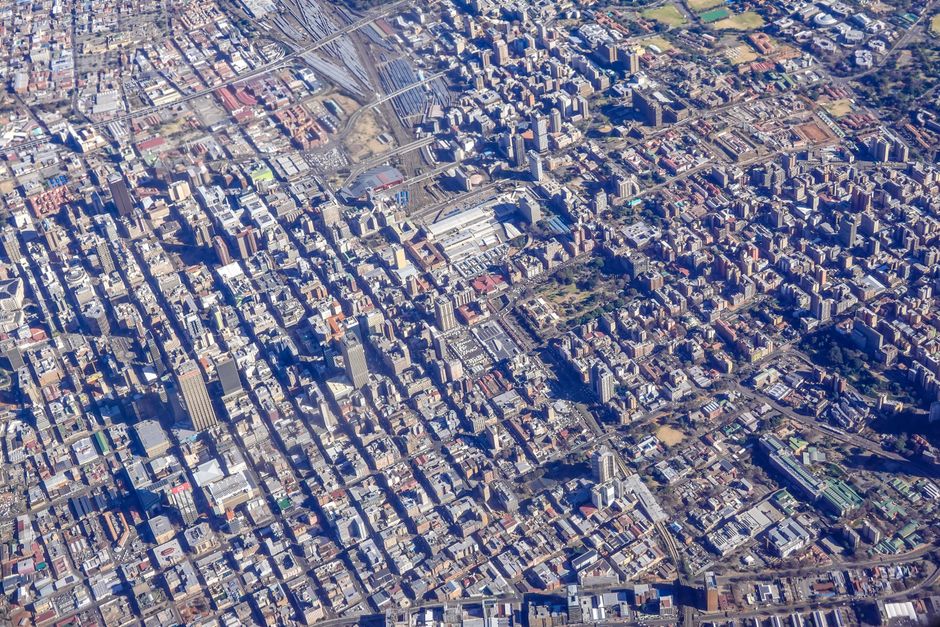
Johannesburg sprawls across 1,645 square kilometres, making transport decisions crucial for anyone serious about experiencing what the city offers. Whether you're commuting to the Sandton business district or exploring the arts scene in Maboneng, getting around smartly transforms your daily routine from a chore into an opportunity.
For many residents, the Gautrain remains the gold standard. The rapid rail link connects Sandton, Rosebank, and Park Station with frequency and reliability that beats sitting in traffic on the M1. A single journey costs around R30–R50 depending on distance; monthly passes offer better value for daily commuters. Park your car at dedicated stations and reclaim an hour of your day for reading, working, or simply decompressing.
But Johannesburg's transport ecosystem extends beyond rail. Uber and Bolt operate across the city with surge pricing that can sting during peak hours (7–9am and 4–6pm remain nightmarish on major routes like Jan Smuts Avenue and Empire Road). Budget R80–R150 for typical cross-city journeys, but build in buffer time or consider alternatives during congestion windows.
Neighbourhood exploration demands different tactics. In Melville and Parkhurst, walkability is your friend—local coffee shops, restaurants, and galleries cluster along streets designed for foot traffic. Cycling is gaining traction too; the Johannesburg Cycling Club maintains information on safer routes, particularly around the Cradle of Humankind corridor heading north.
For longer weekend adventures, ride-sharing services like Uber's UberX and local minibus taxi operators service routes to Soweto, Pretoria, and the surrounding Gauteng region. Minibuses offer authentic local experience and cost roughly R15–R30 per journey, though they operate on loose schedules and shared routes.
Car ownership remains the reality for many, but here's the hard truth: Johannesburg's traffic ranks among the world's most congested. The Automobile Association reports average commute times of 45 minutes during peak periods. If you must drive, invest in a dashcam, avoid carrying valuables visible on seats, and use apps like Google Maps and Waze to dodge bottlenecks in real time.
The emerging electric scooter scene offers nimble solutions for short hops. Companies operate across the CBD and northern suburbs, charging R10–R20 per trip. Perfect for that last-kilometre problem between transport hubs and your actual destination.
Smart commuting in Johannesburg isn't about finding one perfect solution—it's about mixing methods strategically. Combine Gautrain for long distances, Uber for convenience, walking for neighbourhood immersion, and cycling for wellness. Master these options and the city transforms from an overwhelming sprawl into a genuinely navigable, explorable home.
This article was compiled by AI and screened before publishing. See our editorial standards.
How does this story make you feel?
Spread the word
About this article
Published by The Daily Johannesburg
Daily brief
Free, in your inbox before 7am. Weekdays.
More in lifestyle