Johannesburg Commute Guide: Navigate Transport Like a Local
Master Johannesburg's transport options from Gautrain to minibus taxis. Learn commute costs, routes, and how to save time traveling between Sandton, Soweto, and Maboneng.
Master Johannesburg's transport options from Gautrain to minibus taxis. Learn commute costs, routes, and how to save time traveling between Sandton, Soweto, and Maboneng.
Listen to this article · 3:35
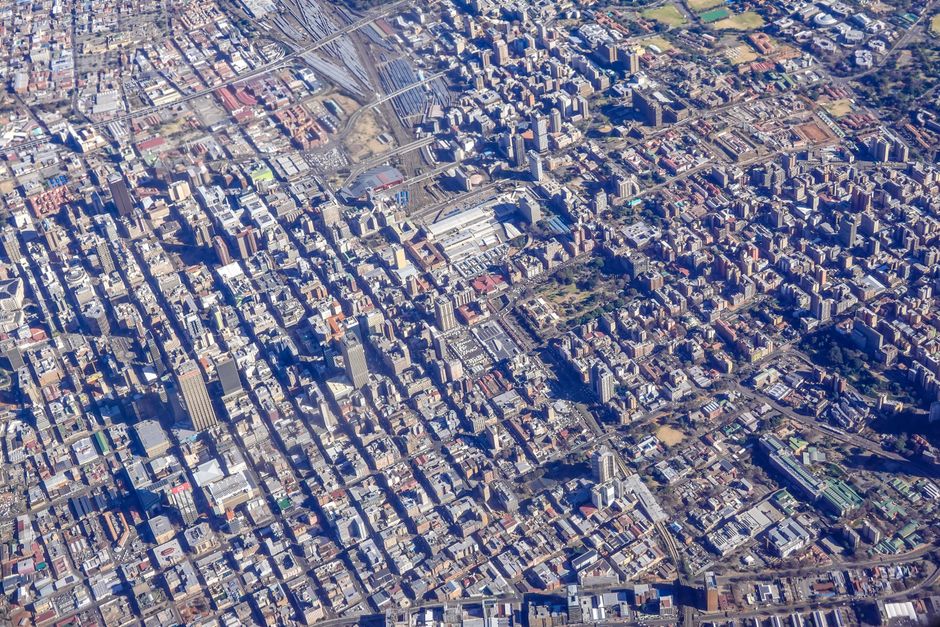
Johannesburg's transport landscape has shifted dramatically over the past decade, and savvy residents are learning to view their daily commute not as a chore, but as an opportunity to discover neighbourhoods, save money, and even enjoy some downtime. Whether you're heading from Sandton to the Soweto Theatrical District or cutting across from Midrand to the Design District in Maboneng, understanding your options transforms how you experience the city.
The Gautrain remains the premium option for speed and reliability, connecting Sandton, Rosebank, Park Station, and Midrand with predictable timing. A monthly card costs around R1,200–R1,600 depending on your route, making it competitive for long-distance commuters prioritising time and comfort. The trains operate from 5:30am to 11pm on weekdays, with wi-fi now available at most stations—ideal for catching up on work or leisure reading during peak-hour traffic avoidance.
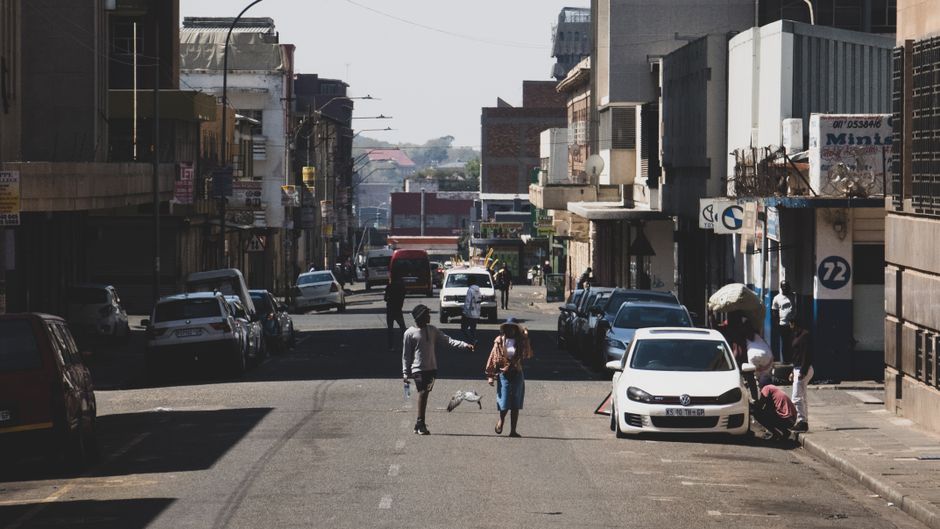
For shorter hops and neighbourhood exploration, Johannesburg's minibus taxi network remains the city's circulatory system. Routes crisscross from the Johannesburg CBD through Orange Grove, Braamfontein, Melville, and beyond, with fares typically between R10–R20 per journey. While the experience requires navigating unwritten social codes—entering and exiting from the left side, having small change ready—it offers unparalleled local insight and street-level familiarity with the city's ever-changing geography.
The rise of ride-hailing apps has reshaped evening mobility. Services like Uber and Bolt operate across the city, pricing surge-dependent but generally transparent. A typical journey from Parkhurst to the Arts on Main in Maboneng runs R80–R150, depending on demand and traffic.
For the fitness-conscious and weather-friendly commuters, cycling is gaining traction, particularly across Bryanston, Fourways, and the Cradle of Humankind corridor. The Johannesburg Cycling Route Network has expanded significantly, though dedicated lanes remain limited in the CBD.
The practical reality: most Johannesburg residents combine methods. Monday might mean the Gautrain from Midrand to Sandton; Wednesday could involve a taxi through Hillbrow to downtown; Friday evening, perhaps a ride-share to Melville's restaurant scene. This flexibility, once seen as chaotic, is now recognised as the city's transport strength—diverse, adaptable, and deeply embedded in how Johannesburg moves.
Start small: download the Gautrain app, learn one reliable taxi route, and familiarise yourself with a ride-hailing service. Within weeks, commuting becomes navigation, and navigation becomes discovery. That's when Johannesburg's true geography—its people, rhythms, and possibilities—begins to reveal itself.
This article was compiled by AI and screened before publishing. See our editorial standards.
How does this story make you feel?
Spread the word
About this article
Published by The Daily Johannesburg
Daily brief
Free, in your inbox before 7am. Weekdays.
More in lifestyle