Walk into Bryanston's Neighbourgoods Market on a Friday evening and you'll witness something that defines Johannesburg's contemporary bar culture: the neighbourhood as protagonist. Tables sprawl across the courtyard, craft beer flows from rotating taps, and the crowd—architects, entrepreneurs, young families—moves fluidly between stalls and conversations. This is where Joburg's nightlife has genuinely shifted in the past three years.
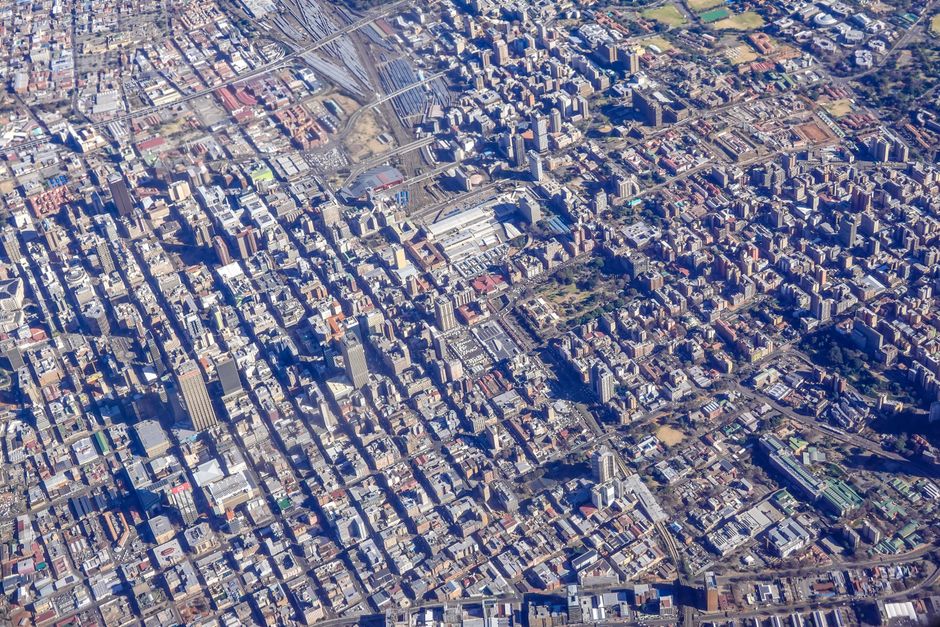
The city's bar scene has undergone a quiet transformation. While Sandton's corporate lounges still command premium prices (craft cocktails averaging R140-180), the real energy now pulses through established neighbourhoods where venue owners and patrons have cultivated genuine community. In Maboneng, spaces like Urbanology function as creative hubs as much as drinking destinations, their programming reflecting the precinct's arts-focused identity. Meanwhile, Parkhurst's tree-lined streets have seen bartenders become neighbourhood fixtures—people who remember regulars' names and drink preferences, who host trivia nights that draw 200-300 people monthly.
The economics tell their own story. According to hospitality analysts, neighbourhood bars in established areas like Illovo and Rosebank attract 65% repeat customers compared to 35% at CBD venues. These spaces operate on loyalty rather than tourist footfall. A pint at a local Melville establishment costs R65-85; the same drink in a hotel bar carries R150+ markups that reflect location premium rather than quality difference.
What makes these neighbourhoods tick is leadership—both formal and informal. Precinct management organisations in areas like Fourways and Midrand have worked with venue owners to improve safety visibility, extend trading hours where permitted, and coordinate events that bring communities together. The Parkhurst Residents' Association, for instance, doesn't just manage complaints; they've become genuine partners in shaping the district's nightlife character, ensuring venues align with neighbourhood values while remaining vibrant social spaces.
The pandemic accelerated this trend. When capacity restrictions forced venues to prioritise regulars, many discovered something valuable: that neighbourhood bars thrive when they serve a community rather than chase transient crowds. In Westcliff and Houghton, venues began hosting neighbourhood suppers, quiz nights, and local artist showcases. These events cost venues little but generate profound loyalty.
Today's Johannesburg nightlife isn't about finding the trendiest spot—it's about discovering which neighbourhood's bar culture matches your community. Whether it's Illovo's eclectic energy, Bryanston's family-friendly vibe, or Parkhurst's established sophistication, the character belongs to the people who show up regularly, not the venues themselves.
This article was compiled by AI and screened before publishing. See our editorial standards.