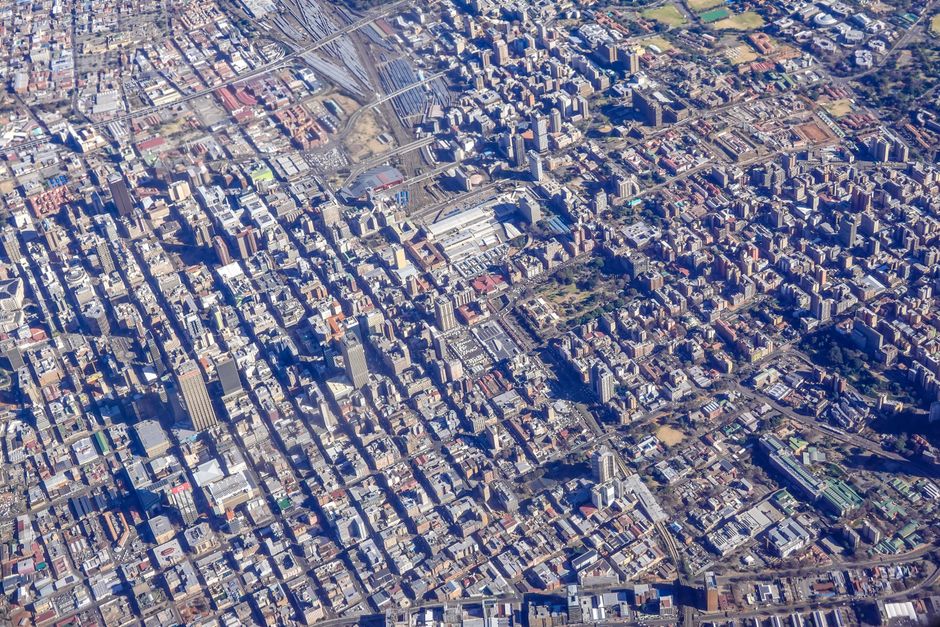
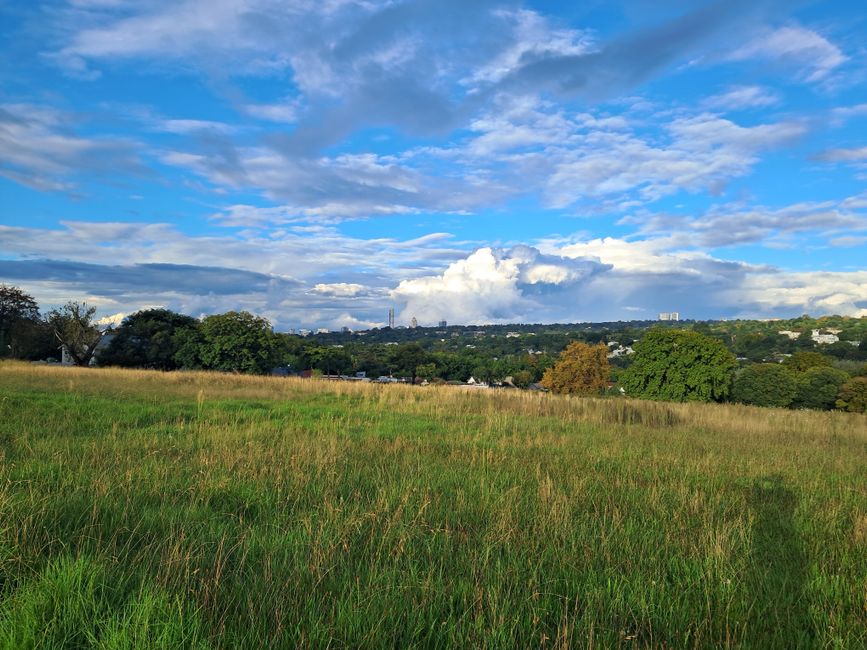
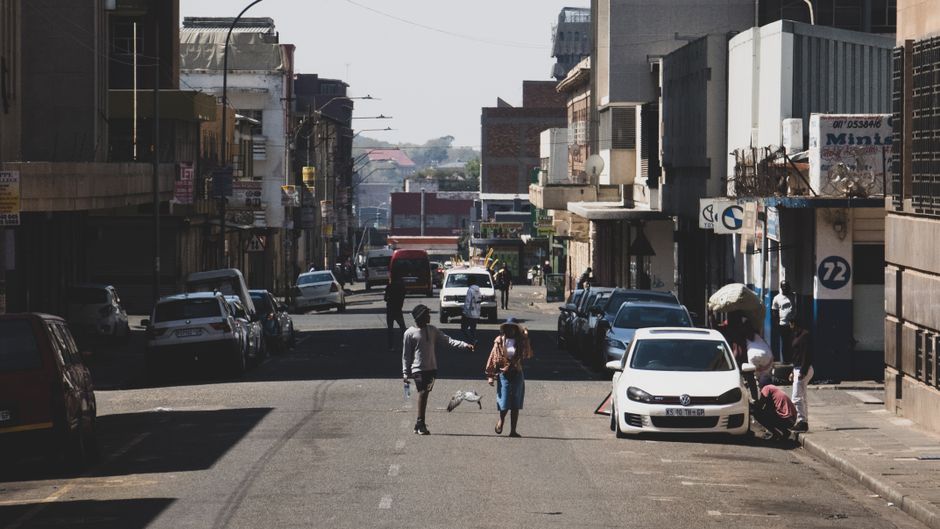
For nearly a decade, expat relocation guides ranked Johannesburg as a reluctant choice—somewhere you came for work, not for living. That narrative has shifted dramatically in the past eighteen months, driven by measurable improvements in both urban amenities and resident confidence that are reshaping how the city markets itself globally.
The catalyst? A combination of private investment in lifestyle precincts and public safety interventions. Sandton's restaurant and retail landscape has expanded beyond corporate sterility; Bryanston now rivals international food destinations with high-calibre venues clustered around Bryanston Drive. More significantly, the Maboneng Precinct—long a boutique destination for weekends—has evolved into a genuine residential choice, with young professionals and families treating it as a lived neighbourhood rather than a tourism stop. Property values in the precinct have stabilised after volatility, making it accessible again.
Local data tells the story. The Johannesburg Tourism Company reports a 34% increase in long-term visa inquiries since mid-2025, with the majority citing "lifestyle quality" rather than employment necessity. Schools including St Andrew's and Redhill have waiting lists extending into 2027. Gym memberships at facilities like Virgin Active branches across the city have climbed 22% year-on-year, suggesting confidence in staying.
What's changed on the ground? Neighbourhoods like Parkhurst and Craighall have become genuinely walkable, with improved street lighting and visible community policing reshaping evening culture. Coffee culture—once concentrated in Sandton's corporate towers—now thrives in independent roasteries across Johannesburg's northern suburbs. Healthcare accessibility has improved; facilities like Mediclinic now offer comprehensive expat health plans with transparent pricing.
The shift extends to practical relocation infrastructure. Real estate agencies have professionalised significantly; firms now offer dedicated expat onboarding including school searches, bank account setup, and neighbourhood orientation. International schools report families securing places within weeks rather than months.
Local residents are notably warmer about newcomers, partly because the narrative has changed. Instead of brain-drain anxiety, there's recognition that international interest validates Johannesburg's trajectory. Established residents in areas like Illovo and Forest Town describe recent arrivals as contributing to business revival and cultural vibrancy—not displacement.
The moment isn't without caveats. Load-shedding remains unpredictable; newcomers must budget for backup power solutions. Security consciousness remains essential, not paranoid. But for the first time in years, expats are choosing Johannesburg because they want to live here—not because they have to. That distinction is everything.
This article was compiled by AI and screened before publishing. See our editorial standards.