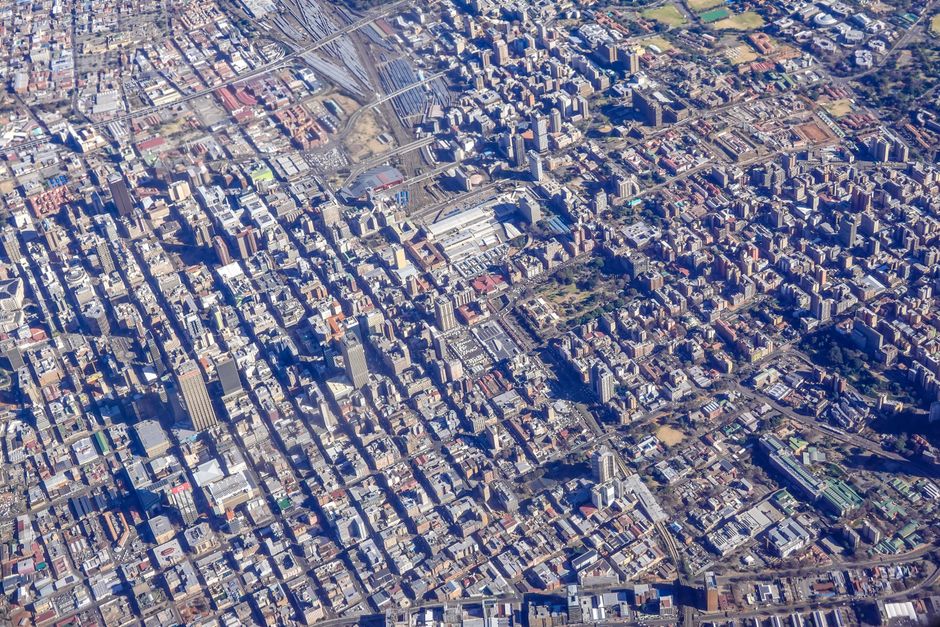
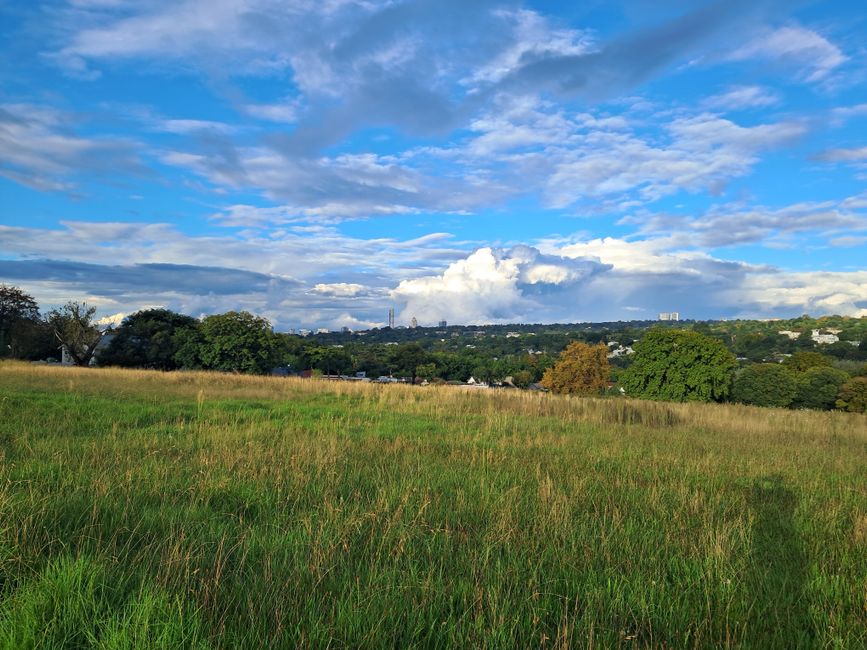
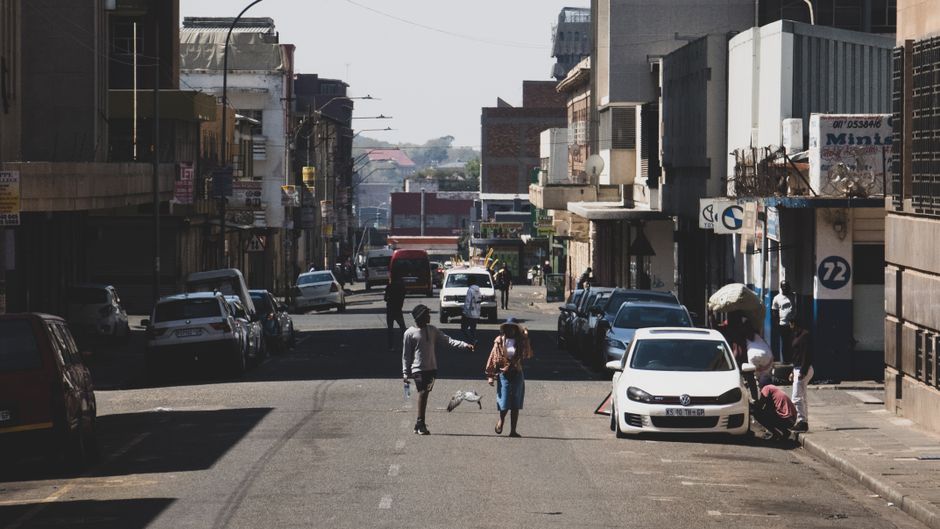
When global relocation specialists discuss emerging lifestyle destinations, Johannesburg often gets overlooked in favour of Cape Town's postcard perfection or Durban's beach convenience. That's precisely why the city is experiencing a quiet renaissance among savvy expats seeking authenticity over Instagram aesthetics.
Unlike London's centuries-old institutional rigidity or Singapore's gleaming sterility, Johannesburg pulses with unfinished energy. The city rewrote itself from mining town to global financial hub, and that DNA—the willingness to reinvent—still defines the neighbourhoods where newcomers actually choose to live. Braamfontein's transformation from urban decay to creative hub happened in roughly a decade. Maboneng's pedestrian-first reimagining challenges assumptions about urban design in ways European and North American cities abandoned years ago. These aren't heritage districts preserved in amber; they're living laboratories.
The economic reality matters too. A comfortable two-bedroom apartment in Sandton runs roughly R15,000–R25,000 monthly, with established expat communities already networked across surrounding suburbs. Compare that to Manhattan, London's Zone 1, or Hong Kong's mid-range neighbourhoods, and Johannesburg's cost-of-living flexibility becomes immediately apparent. Your salary stretches differently here.
What sets Joburg apart most distinctly, however, is its cultural heterogeneity without the sanitised multiculturalism of Western cities. Walk from Parkwood through Melville to Parkhurst on a Saturday morning, and you'll encounter genuine cultural collision—not curated diversity. The food scene reflects this: not fusion cuisine designed for international palates, but authentic cuisines existing simultaneously. A proper Zimbabwean sadza meal near Berea, Vietnamese pho in Fourways, proper Italian in Rosebank—each serving actual communities, not tourist markets.
The creative sector punch above its weight too. Johannesburg produces more documentary filmmakers, musicians, and visual artists per capita than cities twice its size. The Market Theatre in Newtown remains Africa's most significant independent theatre space. This isn't London's West End or New York's Broadway—it's rawer, hungrier, more experimental.
Current security realities demand honesty: unlike Toronto or Berlin, Johannesburg requires genuine awareness about neighbourhood selection and movement patterns. This isn't negligible. But for expats accustomed to managing complexity—those relocating from Lagos, Bangkok, or Mexico City—the calculus differs entirely.
Johannesburg ultimately offers what few global cities still do: genuine discovery. Not packaged experience, not heritage tourism, but a living city still actively becoming something. For relocators seeking that rare combination of affordability, creative vitality, and real-world complexity, that makes all the difference.
This article was compiled by AI and screened before publishing. See our editorial standards.