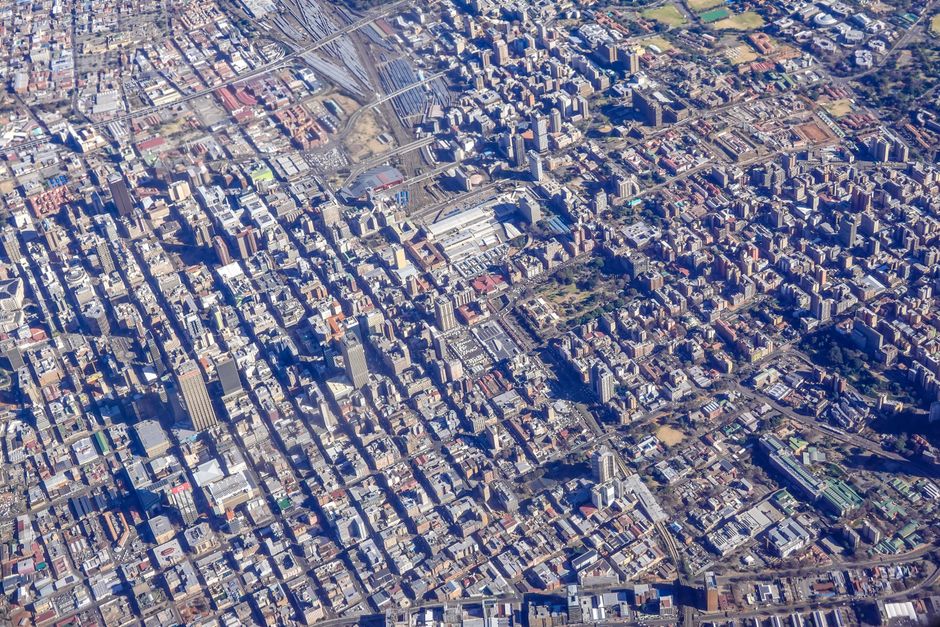
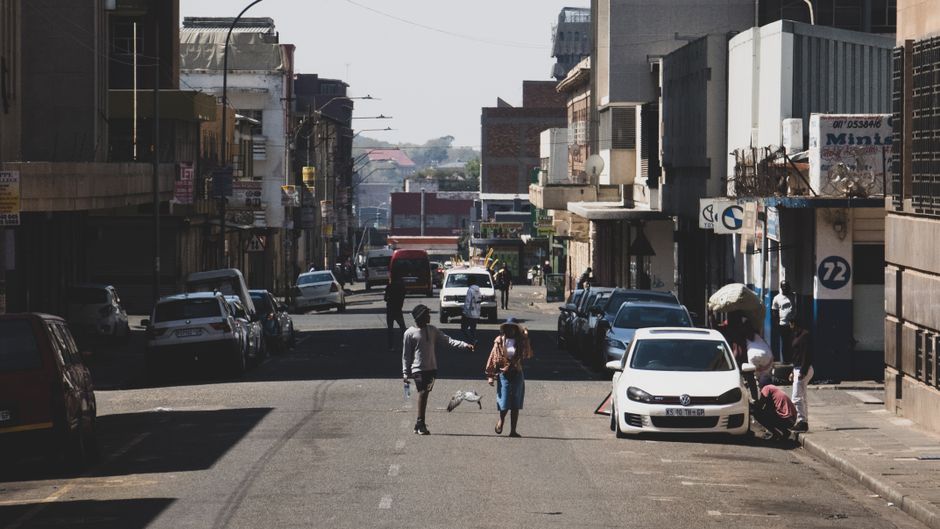
Walk down Fox Street on a Friday evening and you'll feel it immediately: Maboneng pulses with a particular kind of energy. It's not the sanitised buzz of a corporate development, but something rawer, messier, more authentically Johannesburg. The neighbourhood—whose name means 'place of light' in Sotho—has evolved into a fascinating study of how grassroots community investment can reshape a city district.
The transformation didn't happen overnight. A decade ago, Maboneng was largely abandoned, its Victorian warehouses and art deco facades crumbling. Today, the area hosts over 200 creative businesses, from fashion studios to craft breweries. But unlike purely commercial gentrification narratives, what makes Maboneng distinctive is how deliberately the community has resisted becoming a playground for outside money alone.
At the heart sits the Maboneng Precinct itself—a 5.3-hectare mixed-use development that, despite its corporate backing, has maintained a genuine commitment to local artists. Studios on Kruger Street and Main Street house working creatives who pay below-market rates, a rarity in Johannesburg's property landscape. The weekend Art on Main initiative draws thousands, creating street life that feels organic rather than orchestrated.
But the real neighbourhood character lives beyond the official precinct. In the residential streets running perpendicular to Fox—around Eckstein, Raleigh and Simmonds—you'll find a different story entirely. Here, long-term residents, many from the apartheid era, coexist with young professionals. Monthly community meetings at venues like Neighbour Goods Market reflect genuine tensions and collaborations: gentrification concerns sit alongside enthusiasm for neighbourhood security upgrades and better street lighting.
Local data tells part of the story. Rental prices in Maboneng have climbed roughly 8-12% annually over the past five years, yet remain significantly lower than Sandton or Rosebank—averaging around R8,000-R12,000 monthly for a one-bedroom apartment. This relatively accessible pricing is crucial to what keeps the neighbourhood diverse rather than exclusive.
The cafés and restaurants—Vivid Coffee, Contrebar, the various spice markets on Bogard Street—reflect actual neighbourhood life: baristas know regulars by name, small business owners struggle and celebrate publicly, and there's genuine conversation about who belongs and who feels welcome.
Maboneng today remains a work in progress, which is precisely why it matters. It's a neighbourhood still arguing with itself about its future, where community character isn't heritage-listed but contested, built daily through the choices residents make about who they are together.
This article was compiled by AI and screened before publishing. See our editorial standards.