The Faces Behind the Finds: Why Johannesburg's Markets Matter More Than Commerce
From Braamfontein to Soweto, the traders and collectors shaping our city's retail soul reveal what truly makes this place home.
From Braamfontein to Soweto, the traders and collectors shaping our city's retail soul reveal what truly makes this place home.
Walk through the Neighbourgoods Market on a Saturday morning in Braamfontein, and you're not just shopping—you're witnessing a masterclass in resilience and community. Between the artisanal coffee stands and vintage clothing racks, there's a quieter narrative unfolding: stories of entrepreneurs who've built something real in a city that demands it.
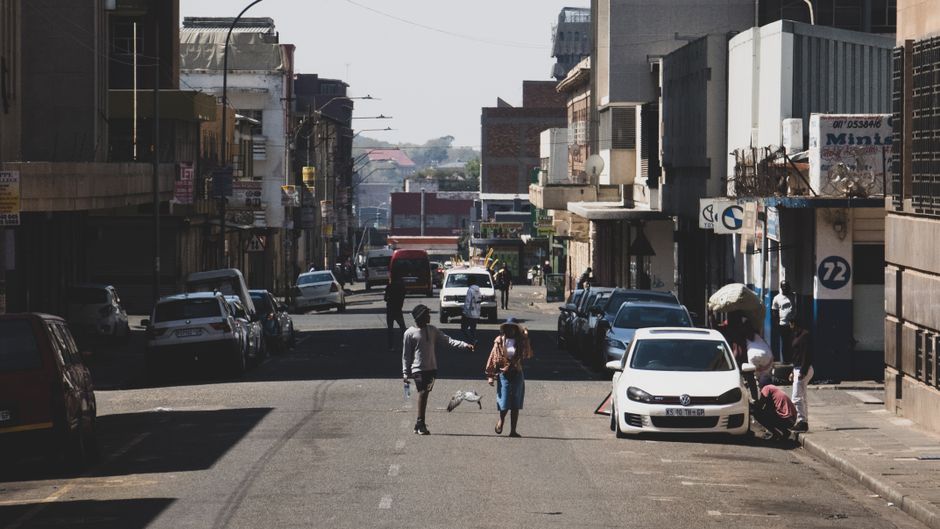
Over the past three years, informal and formal market spaces across Johannesburg have become anchors for small business owners navigating an unpredictable economy. The City of Johannesburg's informal trading statistics suggest roughly 15,000 street traders operate across the metropolitan area, many concentrated in zones like Newtown, the Johannesburg CBD, and the sprawling markets of Soweto. These aren't just transaction points—they're survival mechanisms and dreams made tangible.
What makes Johannesburg's market culture distinctive is the deliberate visibility of the people behind the products. At Rosebank Sunday Market, regulars build relationships with specific vendors over months, learning their names, their families, their seasonal rhythms. A jeweller near Melville has operated from the same spot for eight years, watching the neighbourhood transform while maintaining a clientele built entirely on word-of-mouth and consistent presence. That kind of trust is currency.
The informal economy here tells a different story than statistics alone. Many traders are immigrants and internal migrants who've chosen markets as their entry point to economic participation—not by choice alone, but because formal retail hasn't made space for them. Others are established Johannesburgers pivoting during economic shifts, bringing skill and expertise to weekend stalls and pop-up spaces in areas like Maboneng and Arts on Main.
What's particularly striking is how these spaces operate as informal social infrastructure. Market traders often know their regular customers' preferences, celebrate their life events, and extend credit during tough months. In a city as layered and complex as Johannesburg, these human connections across economic and social boundaries matter more than ever.
For shoppers, this means something genuine. A garment from a Soweto market trader isn't just affordable—it carries the story of someone who understood what their community needed and built a business around it. A craft item from Braamfontein reflects hours of someone's skill and vision. These aren't anonymous transactions in a soulless mall.
As Johannesburg continues navigating economic pressures and social complexity, its markets remain spaces where people from vastly different circumstances meet as equals—vendor and customer, neighbour and entrepreneur. That everyday dignity, repeated thousands of times across the city's trading spaces, is what actually makes this place special.
This article was compiled by AI and screened before publishing. See our editorial standards.
How does this story make you feel?
Spread the word
About this article
Published by The Daily Johannesburg
Daily brief
Free, in your inbox before 7am. Weekdays.
More in lifestyle