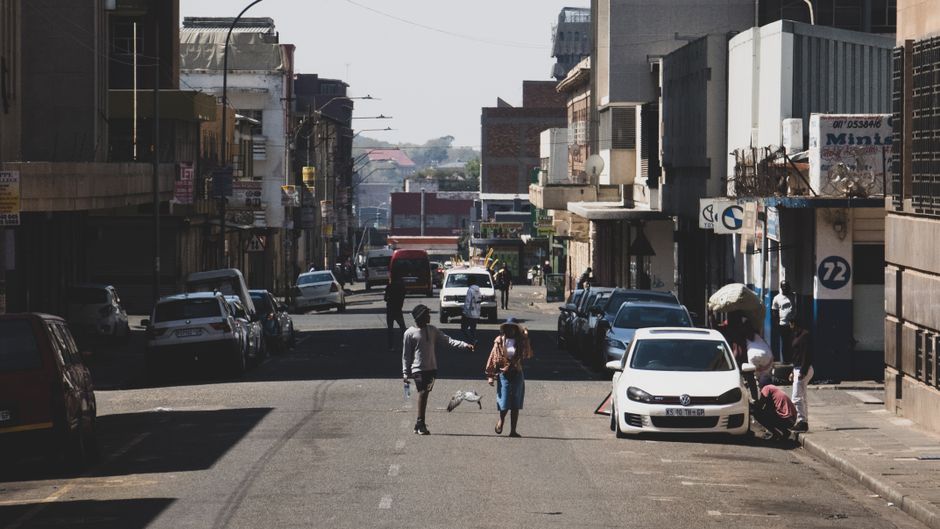
Walk down Commissioner Street in Braamfontein on a Saturday morning, and you'll notice something has shifted. The once-chaotic jumble of secondhand clothing stalls and informal traders has been quietly reorganised into something more intentional—vendors with branded awnings, QR codes linking to their Instagram accounts, and a growing cohort of Gen-Z shoppers hunting for sustainable fashion rather than bargains alone.
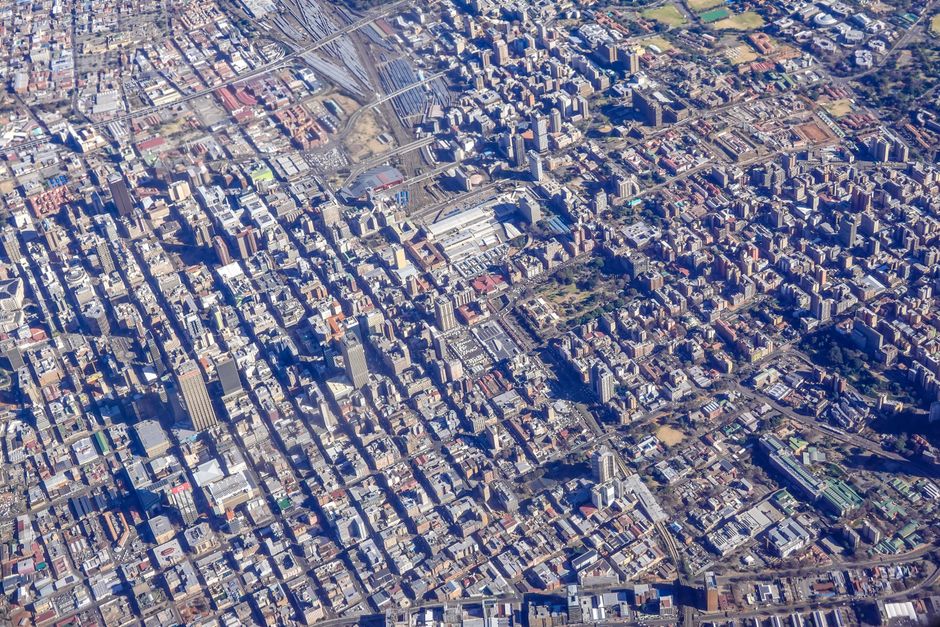
This transformation reflects a broader evolution rippling through Johannesburg's neighbourhood shopping markets. Where flea markets once thrived primarily as necessity-driven spaces for budget shopping, they're increasingly becoming curated lifestyle destinations competing directly with formal retail on aesthetic and experience grounds.
The shift is particularly pronounced in Soweto's Vilakazi Street precinct, traditionally known for informal street trading. Over the past two years, local business improvement districts have invested in infrastructure upgrades—improved lighting, waste management, and designated vendor zones—transforming the market experience. Average foot traffic has grown by an estimated 40 percent, according to local business forums, with weekend visitor numbers now exceeding 15,000.
Maboneng Precinct in the inner city has become a case study in this evolution. What began as an arts-focused neighbourhood in the early 2010s now hosts the weekend Arts on Main market, where vintage dealers, jewellers, and local designers operate from renovated warehouse spaces. Rental costs for market stalls have climbed from R200–400 weekly five years ago to R800–1,500 today—a direct reflection of increased demand and perceived value.
Yet this upward trajectory hasn't been uniformly positive. Rising formalisation costs, rental increases, and competition from e-commerce platforms have pushed some traditional vendors out. The informal traders who once dominated Main Street in Johannesburg's CBD have migrated to peripheral areas like Fordsburg and Yeoville, where rental barriers remain lower.
What's emerging is a two-tiered market ecosystem. Premium neighbourhood markets now position themselves as destination experiences—Instagram-worthy, traffic-driving venues with curated vendor selection and lifestyle programming. Meanwhile, traditional high-volume markets in townships and outer suburbs maintain their grassroots character and affordability.
Local retail experts suggest this split reflects deeper economic polarisation within Johannesburg itself. The neighbourhoods capturing investment and attention—Braamfontein, Maboneng, Parkhurst—appeal to affluent consumers seeking authenticity and social consciousness. Elsewhere, vendors and shoppers continue operating in the practical realm where pricing, volume, and survival remain paramount.
The question facing Johannesburg's retail landscape is whether neighbourhood markets can scale thoughtfully—preserving their economic accessibility while evolving their infrastructure and brand presence. So far, the answer remains fragmented, deeply dependent on which part of the city you call home.
This article was compiled by AI and screened before publishing. See our editorial standards.