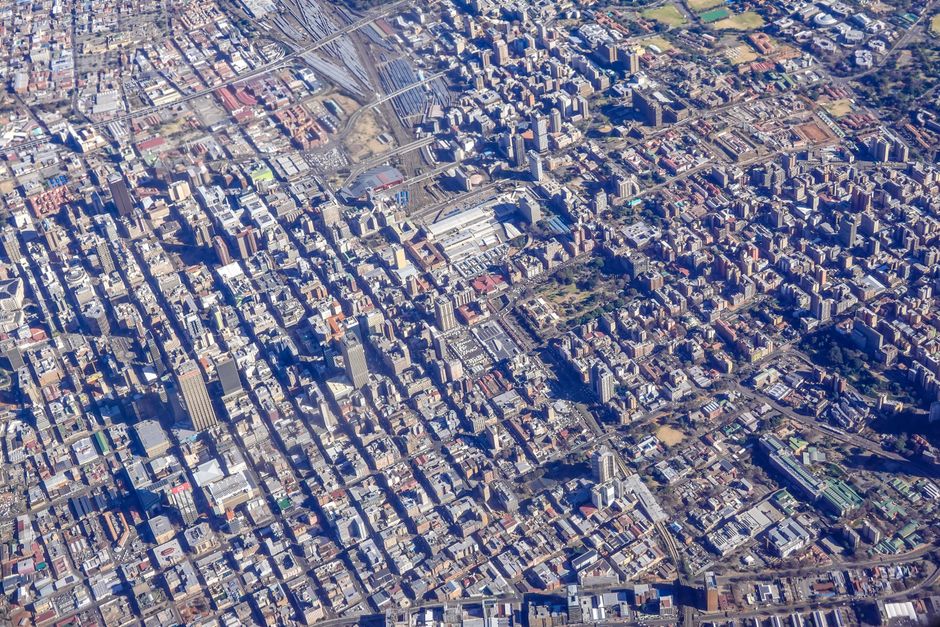
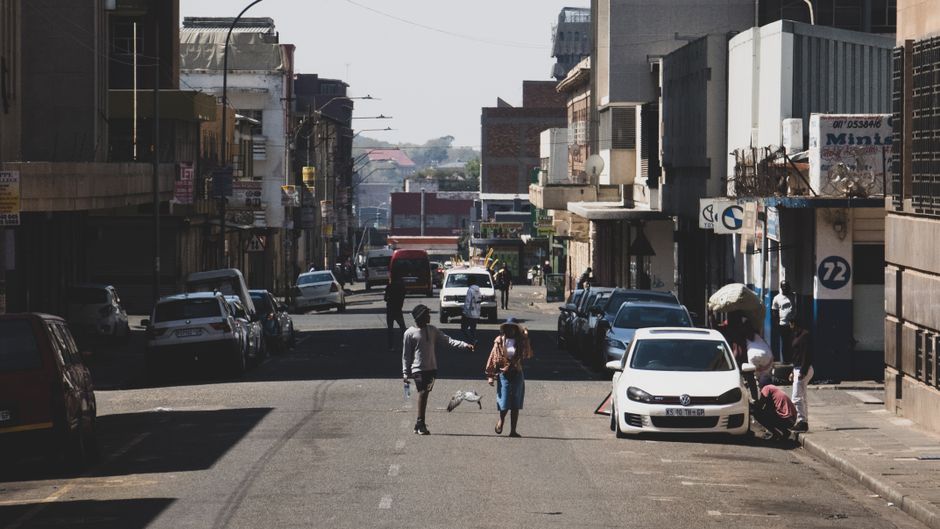
For decades, getting from Sandton's business district to the nearest Gautrain station meant either braving gridlocked traffic on Jan Smuts Avenue or abandoning your car in a parking lot and hoping it would still be there when you returned. Today, that journey increasingly looks different: commuters are gliding across pavements on electric scooters, summoning shared minibuses through their phones, or pedalling through dedicated cycle lanes that barely existed three years ago.
The shift reflects a broader transformation rippling through Johannesburg's transport ecosystem. As congestion on the M1 corridor worsens—peak-hour delays now averaging 47 minutes according to recent traffic data—residents and entrepreneurs are experimenting with alternatives that bypass traditional infrastructure entirely. The numbers tell the story: ride-sharing app Uber's data shows a 34% year-on-year increase in "Uber Shuttle" bookings in Johannesburg's CBD and surrounding areas, while e-scooter companies report that stations along the Oxford Road corridor in Rosebank are among their highest-utilisation points in Africa.
Neighbourhoods like Braamfontein and Maboneng, once considered difficult to navigate without a car, are now hosting unexpected transport hubs. A nascent community shuttle service operating between Maboneng and the nearest Gautrain entrance charges R12 per journey—undercutting traditional taxi fares while offering an app-based booking system. Meanwhile, local cycling advocacy groups report a surge in commuters along the Loop Street route, particularly since the Johannesburg Roads Agency completed pavement upgrades in early 2025.
Yet the transformation reveals uncomfortable inequalities. E-scooters and app-based shuttles cater primarily to smartphone-owning, middle-income users in well-serviced areas. In sprawling townships on the city's periphery, residents still depend on overcrowded minibus taxis, which remain the backbone of mobility for most Johannesburg residents. Transport experts estimate informal minibus taxis still account for roughly 65% of daily commute trips across the metropolitan area.
City officials are cautiously optimistic. The Johannesburg Development Agency's 2026 transport strategy emphasises "integrated last-mile solutions," hinting at potential subsidisation of newer services in underserved areas. Yet implementation challenges persist: regulating e-scooter operators, formalising shuttle services, and maintaining safety standards remain contentious.
As Johannesburg evolves, its transport landscape increasingly reflects a city in transition—where high-tech solutions coexist uneasily with entrenched informal systems, promising efficiency for some while leaving others behind.
This article was compiled by AI and screened before publishing. See our editorial standards.