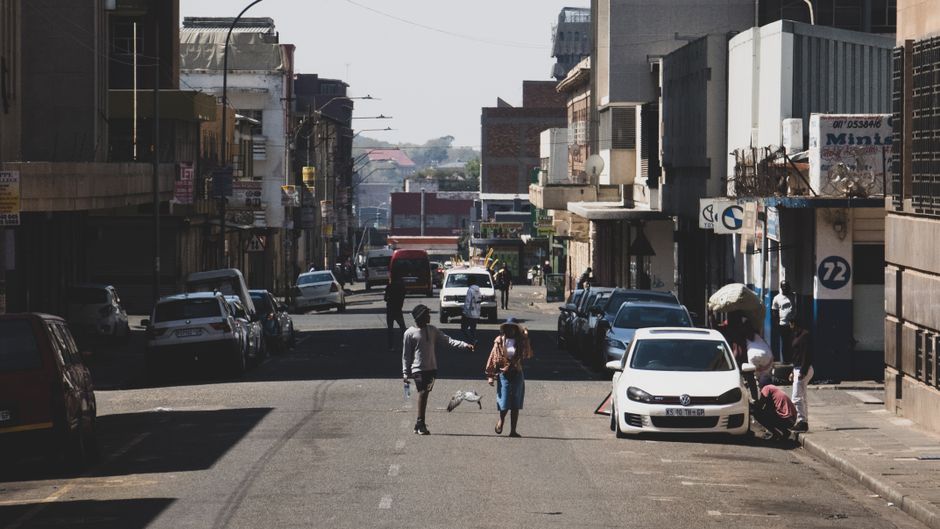
Walk through the cobblestoned streets of Maboneng on a Friday evening and you'll encounter something increasingly rare in world-class cities: genuine creative momentum paired with genuine affordability. A craft beer at one of Braamfontein's rooftop bars costs a fraction of Manhattan or London's prices. A converted warehouse loft in the Arts on Main precinct—with soaring ceilings and industrial chic—fetches what a suburban flat might in other global capitals. This economic reality, combined with the neighbourhood's palpable artistic energy, explains why Maboneng has become a magnet for young creatives, entrepreneurs and cultural workers who've been priced out of New York's Brooklyn or London's Shoreditch.
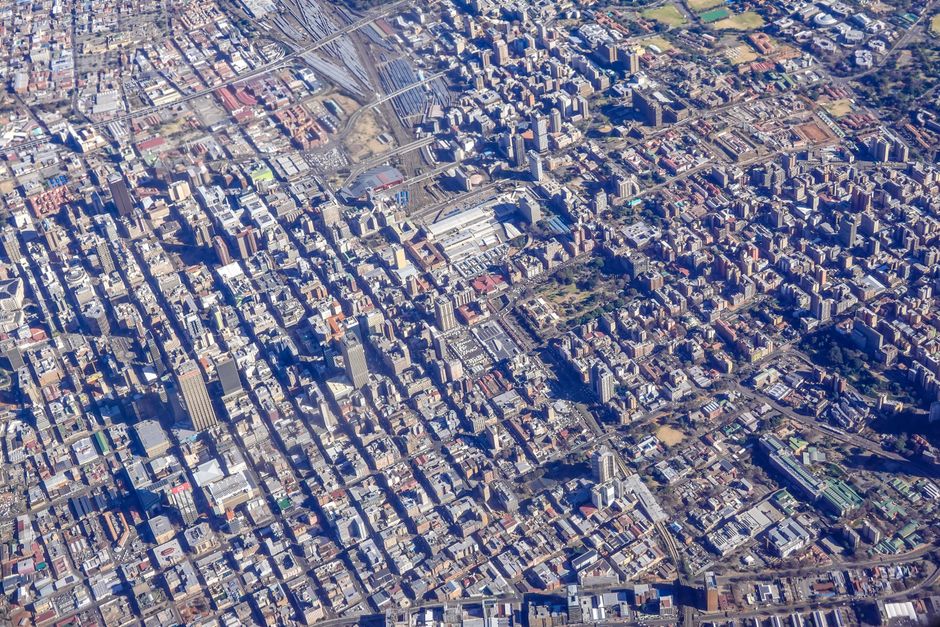
But Johannesburg's uniqueness extends beyond the inner city's gentrification narrative. The city's polycentric geography—where Sandton's gleaming corporate towers, Rosebank's upmarket retail corridor, and Melville's bohemian cafés function almost as separate urban centres—creates a rare urban mosaic. Unlike cities organised around a single CBD, Joburg allows residents to inhabit multiple versions of the city simultaneously. A professional might work in Sandton's glittering office parks, weekend-brunch in Rosebank, and catch live music in Melville's intimate venues, each neighbourhood offering distinct character and community.
The city's property market reflects this diversity. A two-bedroom apartment in Parkhurst averages around R2.8 million, positioning it as significantly more accessible than equivalent London or Toronto properties, yet still offering urban sophistication and security infrastructure that rivals first-world standards. This affordability paradox—modern amenities at developing-world prices—attracts international relocations and digital nomads seeking quality-of-life improvements.
Perhaps most distinctively, Johannesburg's neighbourhoods are consciously, visibly reinventing themselves. Neighbourgoods Market in Braamfontein, established in 2010, pioneered a social enterprise model that's now replicated globally. Yet the original retains its specific Johannesburg character: a gathering space where design innovation, food entrepreneurship, and community-building happen simultaneously within a historically industrial precinct now pulsing with creative energy.
This isn't to suggest the city is without challenges. Safety concerns require residents to navigate urban life with practical security awareness that residents of London or Copenhagen needn't consider. Yet this same reality has fostered uniquely strong community bonds—neighbourhood watch groups, shared security initiatives, and local economic networks that create social cohesion increasingly absent in atomised global cities.
Johannesburg offers what few other metropolitan areas can: First-world aspirations and infrastructure with emerging-market economics, creative renaissance alongside established corporate infrastructure, and genuine neighbourhood identity within a sprawling metropolitan canvas. That combination remains genuinely, globally distinctive.
This article was compiled by AI and screened before publishing. See our editorial standards.