From Arrival to Adventure: Your Practical Guide to Living and Exploring Johannesburg Like a Local
New to Joburg? Here's how to navigate the essentials, find your neighbourhood rhythm, and discover what makes this city genuinely worth staying for.
New to Joburg? Here's how to navigate the essentials, find your neighbourhood rhythm, and discover what makes this city genuinely worth staying for.
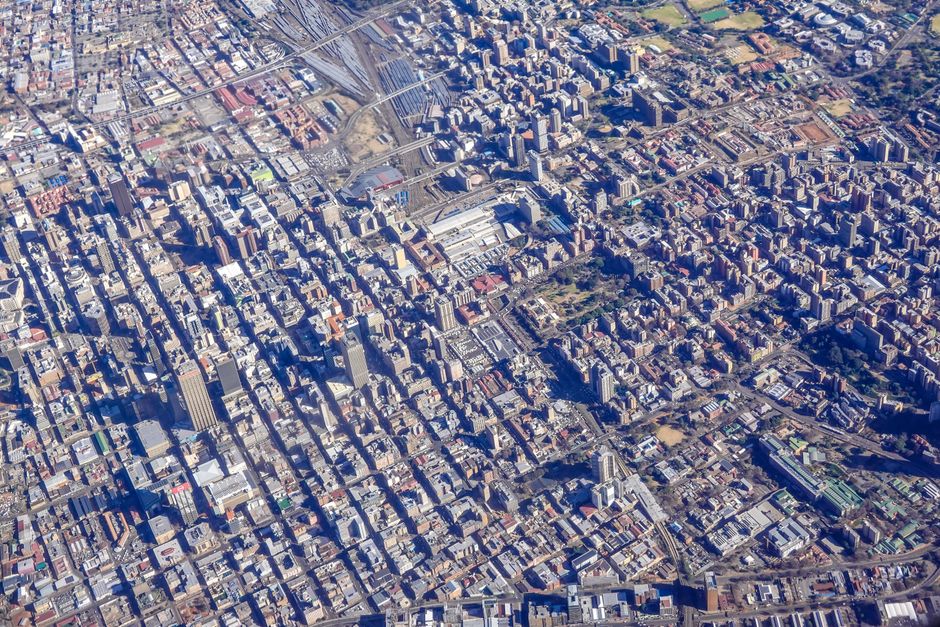
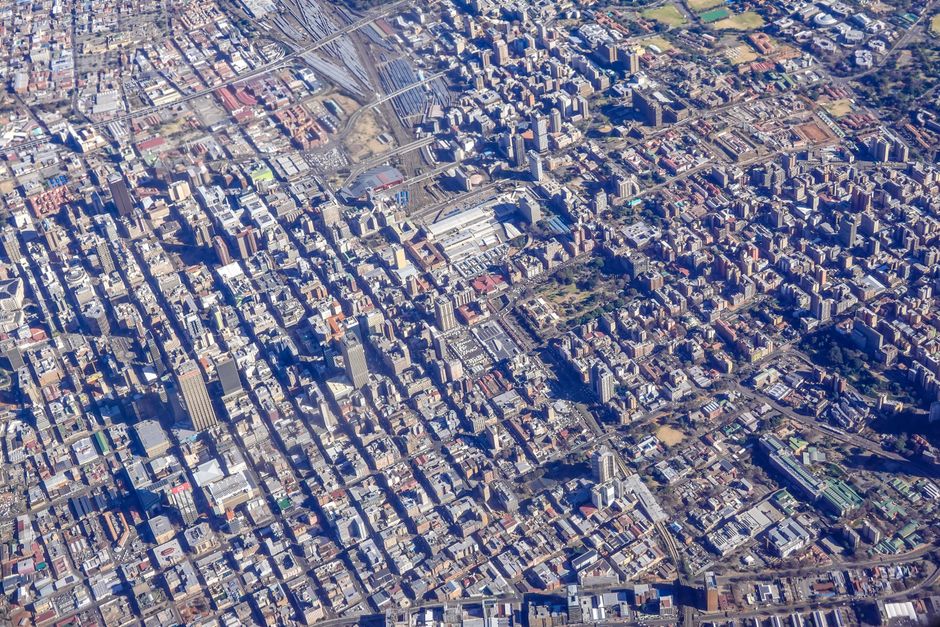
Arriving in Johannesburg can feel overwhelming. The sprawl is real, the traffic unpredictable, and the sheer size of the city—spanning over 1,600 square kilometres—demands strategy. But once you understand the neighbourhoods and know where to invest your time, Johannesburg rewards exploration with world-class restaurants, thriving cultural spaces, and communities that genuinely welcome newcomers ready to engage.
Start with the fundamentals. Most expat newcomers base themselves in Sandton, Rosebank, or Bryanston for proximity to employment hubs and services, though rental costs typically range from R12,000 to R25,000 monthly for a one-bedroom apartment in these areas. If you're seeking creative energy at lower costs, consider Maboneng or Braamfontein—both undergoing significant regeneration. The Maboneng Precinct, anchored by galleries, craft breweries, and weekend markets, has become a cultural nerve centre. Transport-wise, Uber is your reliable option; expect rides across the city to cost R80–R150.
For neighbourhood exploration, prioritise Norwood for independent coffee culture and design shops, or head to Melville for bohemian dining and nightlife along Main Road. Kloof Street in Bantry Bay-adjacent areas offers galleries and boutique retail. The Neighbourgoods Market in Braamfontein (weekends) is essential for understanding local food producers and community culture.
Practical necessities deserve attention. Register with your local clinic or private healthcare provider immediately—companies like Mediclinic and Netcare operate extensively across Joburg. Cost of living remains significantly lower than comparable global cities; groceries at Woolworths or Pick n Pay cost roughly 40% less than Western European equivalents. A meal at mid-range restaurants averages R120–R180.
The Johannesburg Zoo, Apartheid Museum, and Soweto township tours (book through reputable operators) provide essential historical and cultural grounding. For outdoor relief, explore the Cradle of Humankind—roughly 50 kilometres northwest—or hike the Twelve Apostles trail in the Magaliesburg Mountains.
Network intentionally. Professional groups, expat organisations, and hobby-based communities proliferate across Joburg. The Chamber of Commerce, various running clubs, and neighbourhood WhatsApp groups accelerate integration and practical knowledge-sharing about everything from plumbers to weekend plans.
Safety requires frank assessment: stay informed through local news sources, avoid displaying valuables, use registered taxis or ride-sharing, and respect neighbourhood boundaries. Most Joburg residents navigate safely through awareness rather than fear.
Ultimately, Johannesburg's appeal lies in its dynamism and diversity. The city demands engagement but returns genuine community, cultural richness, and lifestyle quality that rewards those willing to move beyond surface-level tourism and plant roots.
This article was compiled by AI and screened before publishing. See our editorial standards.
How does this story make you feel?
Spread the word
About this article
Published by The Daily Johannesburg
Daily brief
Free, in your inbox before 7am. Weekdays.
More in lifestyle