Johannesburg's Maboneng District Quietly Transforms Beyond Arts Scene
Once the epicentre of urban regeneration, the precinct is quietly redefining itself beyond gallery-hopping and weekend markets.
Once the epicentre of urban regeneration, the precinct is quietly redefining itself beyond gallery-hopping and weekend markets.
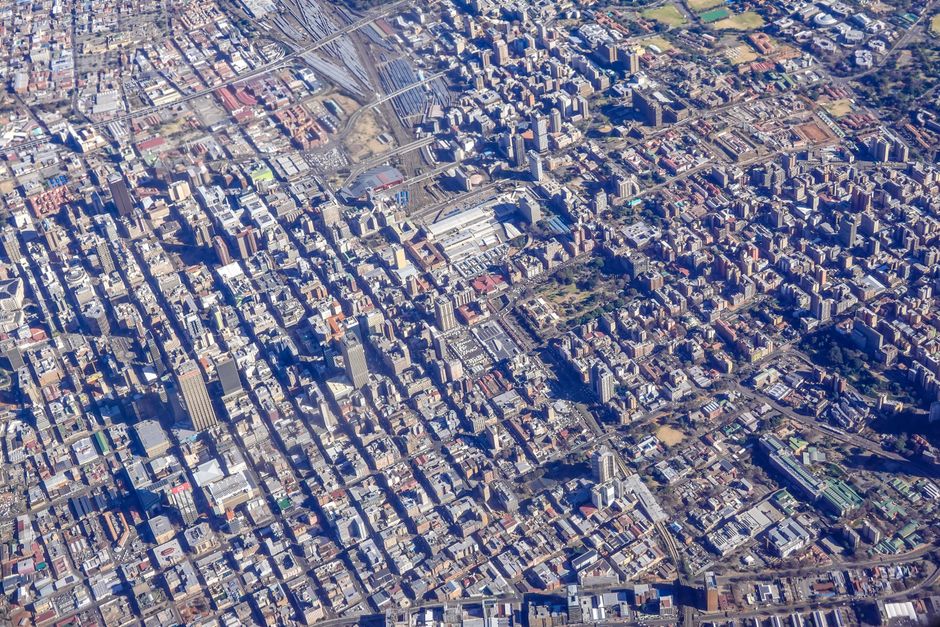
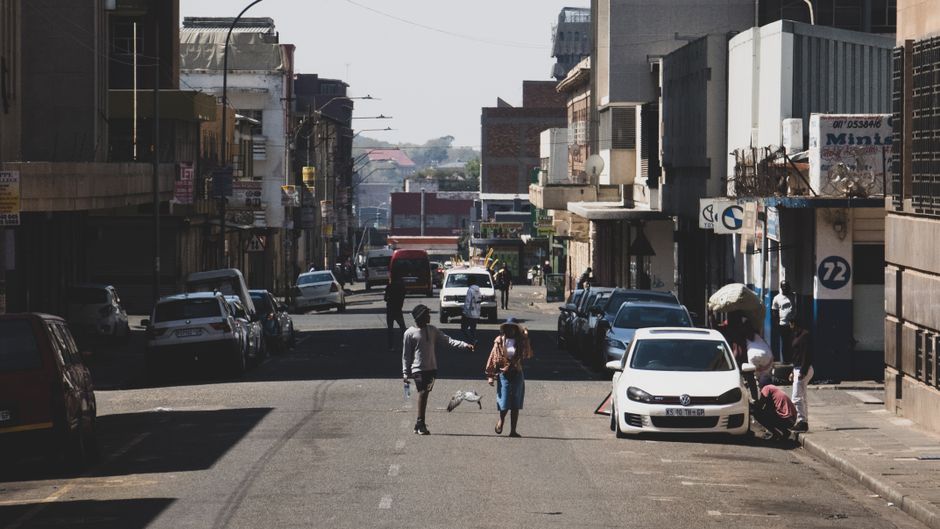
Five years ago, Maboneng was the poster child for inner-city renewal. Young professionals flooded into converted lofts on Fox Street, weekend crowds packed the Maboneng Precinct's markets, and property developers circled like vultures. Today, the neighbourhood's evolution tells a more nuanced story—one where artistic authenticity increasingly clashes with commercialisation, and where genuine community-building is replacing the Instagram aesthetic that once defined it.
The numbers tell part of this story. While residential occupancy in the precinct remains strong, with apartment prices ranging between R2.5m and R5m depending on location and finish, the retail sector has shifted dramatically. The weekend markets—once drawing 15,000-plus visitors—now operate more selectively, with organisers emphasising quality over footfall. Meanwhile, permanent gallery spaces have consolidated, with several mid-tier contemporary art venues relocating to less saturated areas like Newtown and Fordsburg, where rental costs are more sustainable for emerging artists.
What's emerging instead is a more neighbourhood-focused identity. The proliferation of independent coffee roasteries like those clustered along Simmonds Street, the rise of artist studio collectives in converted warehouse spaces, and the establishment of community-driven spaces suggest Maboneng is maturing beyond the precinct-tourism model. Organisations working in cultural programming report increased interest in resident-focused events—think live music series and artist talks—rather than branded pop-ups targeting out-of-towners.
The neighbourhood's relationship with safety and accessibility has also evolved. Community policing initiatives, improved street lighting along Main Street, and the normalisation of evening foot traffic have transformed how residents and visitors experience the area. Yet rising property values continue to pose questions about long-term affordability and whether the original creative class that sparked this revival can afford to remain.
Critically, Maboneng's trajectory now mirrors broader conversations about urban regeneration in Johannesburg itself. The precinct serves as a living case study: can authentic cultural energy coexist with property-driven development? Can a neighbourhood remain genuinely creative once it becomes desirable?
For now, Maboneng continues its complicated middle path. The galleries remain, the creatives haven't entirely departed, and new coffee bars open monthly. But the rush has tempered into something more sustainable—if less photogenic. That, perhaps, is the neighbourhood's truest evolution: from hot spot to actual home.
This article was compiled by AI and screened before publishing. See our editorial standards.
How does this story make you feel?
Spread the word
About this article
Published by The Daily Johannesburg
Daily brief
Free, in your inbox before 7am. Weekdays.
More in lifestyle