Joburg Public Transport: How Neighbourhoods Shape Commutes
Explore how Soweto's Rea Vaya, Sandton taxis, and Melville cycling define Johannesburg neighbourhood life and daily commutes across the city.
Explore how Soweto's Rea Vaya, Sandton taxis, and Melville cycling define Johannesburg neighbourhood life and daily commutes across the city.
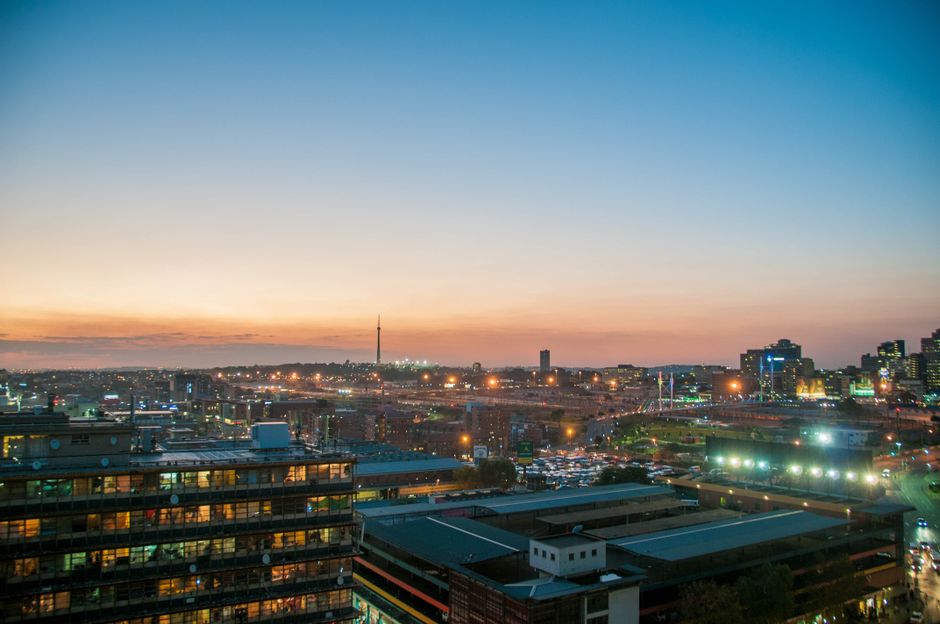
Stand on the corner of Eloff Street and Main during rush hour, and you'll witness Johannesburg's transport story in miniature. A Rea Vaya bus pulls up, packed with commuters from the south, while taxis rumble past heading to Sandton, and the occasional cyclist weaves through—each mode of movement a thread in the city's neighbourhood fabric.
In Soweto, the Rea Vaya rapid bus system has fundamentally reshaped community life since its 2009 launch. Regular users describe the daily commute not merely as transport, but as a social institution. Commuters on the Orange Line, which connects Soweto to the Johannesburg CBD, often spend 45 minutes to an hour aboard—time spent reading, chatting with neighbours, or watching the city transform through the windows. At R5.50 per trip, it remains the most accessible option for the township's working population, with morning services departing every 10 minutes during peak hours.
Contrast this with Melville, where the neighbourhood's character emerges through different transport choices. The tree-lined streets around 7th Street have experienced a cycling renaissance over the past five years, with local cycling groups organising regular weekend rides. Coffee shops like those along Melville's main artery have become de facto bases for the cycling community, reflecting how transport choices shape neighbourhood identity. The proximity to the Northcliff Ridge Trail means many residents commute by bicycle, creating a sustainability-conscious vibe that defines the area's Instagram-ready aesthetic.
Meanwhile, Braamfontein's renaissance centres on the M1 corridor, where young professionals in shared minibus taxis negotiate daily negotiations with drivers about routes and fares. The R6 to R8 journey from Braamfontein to the northern suburbs represents a microcosm of Johannesburg's social economy—informal, flexible, and entirely dependent on personal relationships and community knowledge.
Parktown's tree-lined avenues tell yet another story: here, private vehicle ownership remains dominant, though the neighbourhood's walkability has improved with the Gauteng government's pedestrian initiatives. Residents moving between Parktown's heritage sites and educational institutions often opt for walking, creating a neighbourhood rhythm dictated by foot traffic rather than engines.
These neighbourhood transport realities extend beyond logistics. They shape where communities gather, what businesses thrive, which friendships form, and how residents perceive their place in the city. Johannesburg's transport networks aren't just infrastructure—they're the arteries through which neighbourhood character flows, connecting people to place and each other in ways both visible and profound.
This article was compiled by AI from the sources linked above and screened before publishing. See our editorial standards.
How does this story make you feel?
Spread the word
About this article
Published by The Daily Johannesburg
Daily brief
Free, in your inbox before 7am. Weekdays.
More in lifestyle