Best Neighbourhoods to Live in Johannesburg: Local Advice
Locals share honest insights on Johannesburg neighbourhoods. Discover walkable areas, real rent costs, and which suburbs work best for your lifestyle.
Locals share honest insights on Johannesburg neighbourhoods. Discover walkable areas, real rent costs, and which suburbs work best for your lifestyle.
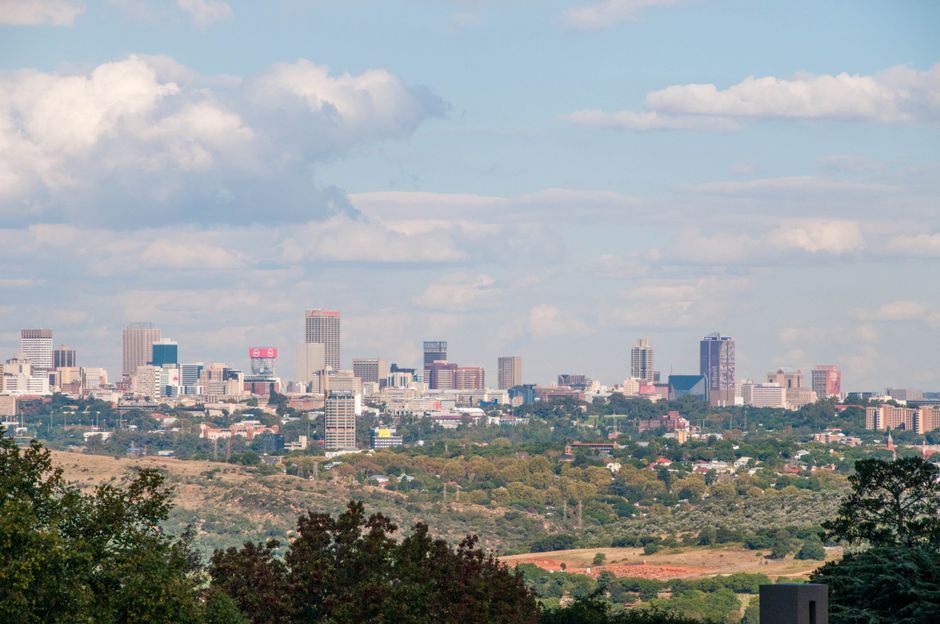
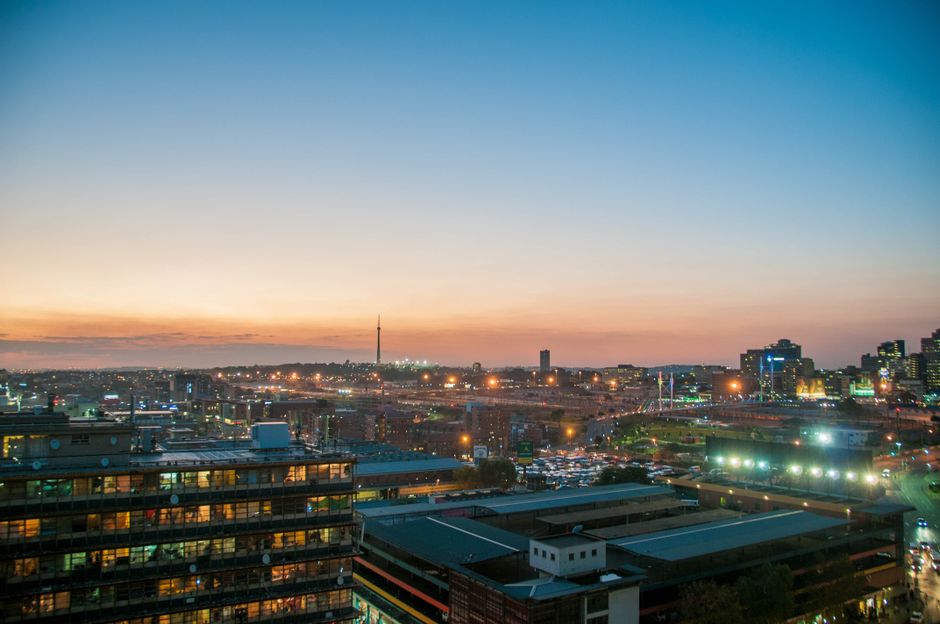
Living in Johannesburg isn't for the faint-hearted, and locals will tell you that honestly. But ask someone who's stayed put through load-shedding, who's navigated Sandton's traffic jams, or who's built community roots in Braamfontein, and you'll discover a city far more nuanced than its reputation suggests.
"Neighbourhood choice depends entirely on your lifestyle," says the consensus among residents spanning Melville, Parkhurst, and Maboneng. Those prioritising walkability swear by the cobbled streets and independent coffee shops of Melville, though rent on 7th Street hovers around R15,000–R20,000 for a modest one-bedroom. Parkhurst offers similar vibrancy with steeper prices and younger crowds; Maboneng delivers cultural density and proximity to Johannesburg's arts precinct, but security concerns remain a consistent refrain.
The transport reality? Most long-term residents acknowledge that car dependency remains unavoidable, despite Rea Vaya's expansion. Commuting from northern suburbs to the CBD or Sandton consumes 45 minutes to over an hour during peak times. Those working flexible hours mention shifting their schedules to avoid Jan Smuts Avenue gridlock entirely.
Safety isn't taboo—it's just contextual. Residents distinguish between "safe by planning" and "inherently safe." Neighbourhoods like Bishopsworth and Westcliff maintain active security networks and community WhatsApp groups. The pattern repeats across suburbs: presence, awareness, and organised neighbourhood watches matter more than postcodes.
Where locals genuinely converge is food and social infrastructure. The Neighbourgoods Market in Braamfontein draws cross-neighbourhood crowds; Bree Street's restaurant revival has revitalised the inner city; and the Johannesburg Art Fair circuit energises conversation annually. Park-going culture remains underrated—Wits Botanical Garden and Delta Park offer respite that cost nothing beyond occasional maintenance donations.
On affordability, the honest take: Johannesburg remains cheaper than Cape Town or Durban, but wage stagnation is real. Sharing arrangements in suburbs like Yeoville and Bellevue Valley have become survival strategies rather than lifestyle choices. Yet residents mention this without bitterness—rather, as adaptation.
The throughline among those genuinely embedded here? Johannesburg rewards intentionality. Pick your neighbourhood for community, not just convenience. Use Uber and MyCiti responsibly. Support local businesses on Claim Street, Juta Street, and neighbourhood pockets. Build networks that transcend race and class—the city's complexity demands it.
"Johannesburg tests you," residents reflect. "But if you commit to understanding it, it gives back."
This article was compiled by AI from the sources linked above and screened before publishing. See our editorial standards.
How does this story make you feel?
Spread the word
About this article
Published by The Daily Johannesburg
Daily brief
Free, in your inbox before 7am. Weekdays.
More in lifestyle