Green Spaces Johannesburg: Best Parks & Nature Reserves
Discover Johannesburg's 22,000 hectares of green spaces—from Witwatersrand National Park to neighbourhood gardens. Explore indigenous flora and outdoor living that rivals global cities.
Discover Johannesburg's 22,000 hectares of green spaces—from Witwatersrand National Park to neighbourhood gardens. Explore indigenous flora and outdoor living that rivals global cities.
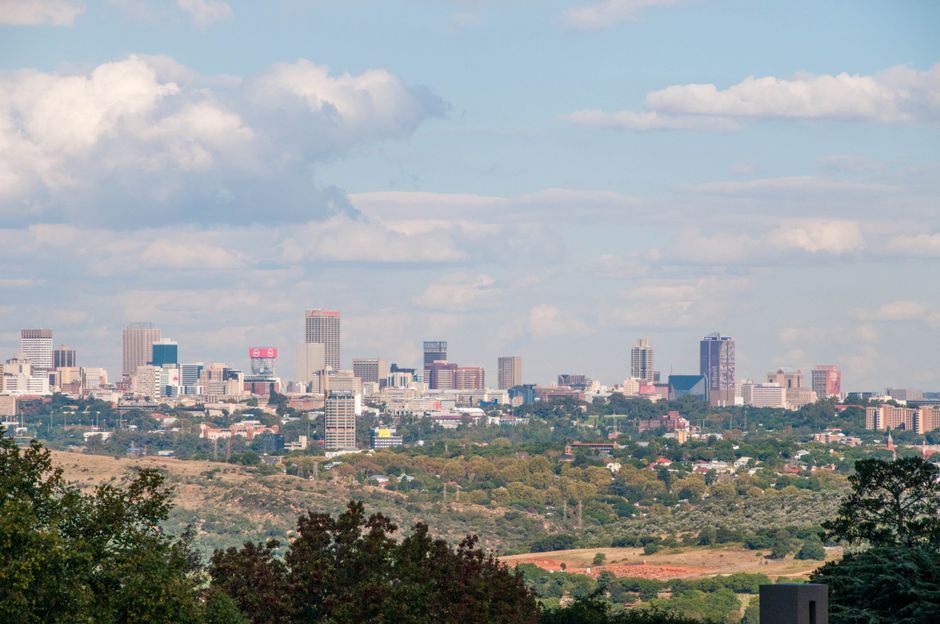
Walk through Sandton on a Saturday morning and you'll encounter something increasingly rare in global megacities: vast stretches of open green space within arm's reach of gleaming corporate towers. This paradox defines Johannesburg's approach to outdoor living, setting it apart from densely packed metros like London, New York, or even Cape Town.
The Johannesburg City Parks team manages over 22,000 hectares of green space across the municipality—a figure that dwarfs comparable cities. London's 8,000 hectares of parks seem modest by comparison, yet Johannesburg's landscape is fundamentally different. Rather than manicured Victorian gardens, the city's signature spaces embrace indigenous flora and working ecosystems. The Witwatersrand National Park, stretching across Roodepoort and Kromdraai, represents conservation-as-lifestyle in ways European parks cannot replicate.
What genuinely distinguishes Johannesburg is how its green infrastructure bridges the gap between wilderness and urban living. The Braamfontein Spruit Trail, winding 40 kilometres through the northern suburbs, offers hikers an ecosystem corridor that simultaneously connects working-class Soweto neighbourhoods with affluent Fourways estates. Few global cities embed social equity so literally into their green spaces.
The economics favour accessibility too. A family day at Delta Park in Johannesburg costs roughly R50 per vehicle—making it competitive with Pretoria's similar offerings while remaining cheaper than equivalent spaces in Australian cities. Yet this affordability hasn't diminished quality. The Johannesburg Botanical Garden in Emmarentia, spanning 76 hectares, rivals Kew Gardens in plant diversity, particularly regarding Southern African specimens simply unavailable elsewhere.
There's also the matter of scale and spontaneity. Neighbourhoods from Melville to Maboneng have pioneered informal green markets and pop-up gardens that reflect the city's entrepreneurial character. These aren't government-managed—they're community-driven, reflecting Johannesburg's unique position as a post-industrial city reinventing itself through grassroots activation rather than top-down urban planning.
Perhaps most distinctly, Johannesburg's outdoor culture remains inherently connected to wildlife education. The Cradle of Humankind's proximity means that outdoor recreation here carries paleontological and ecological significance. A Sunday hike isn't just exercise; it's potentially crossing landscape where ancient human ancestors walked.
As global cities increasingly grapple with climate anxiety and community fragmentation, Johannesburg's model—generous green space, conservation-focused design, affordable access, and genuine ecosystem integration—offers a template that's neither London nor Lagos, but unmistakably, productively Johannesburg.
This article was compiled by AI from the sources linked above and screened before publishing. See our editorial standards.
How does this story make you feel?
Spread the word
About this article
Published by The Daily Johannesburg
Daily brief
Free, in your inbox before 7am. Weekdays.
More in lifestyle