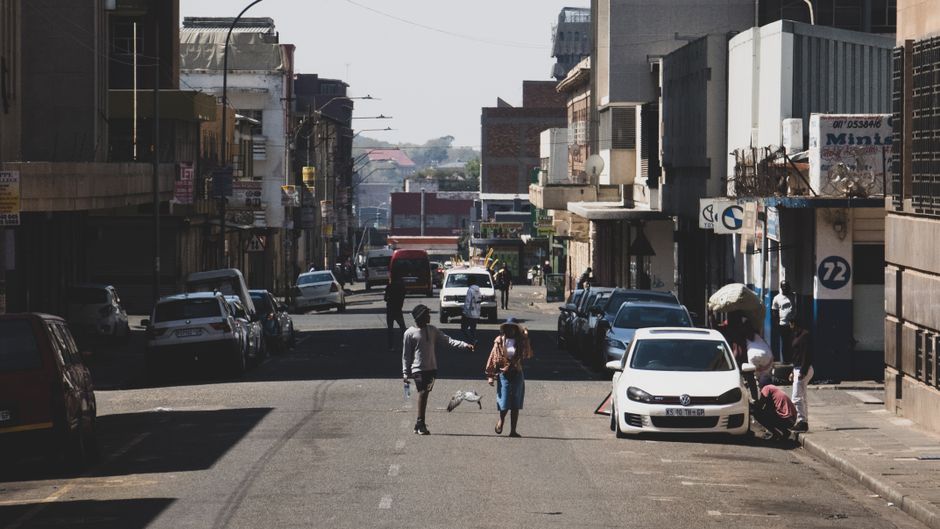
Johannesburg's Transport Workers Reveal How the City Really Moves Daily
Bus drivers, taxi operators and navigators reveal how they keep Joburg moving between Soweto and Sandton daily.
Bus drivers, taxi operators and navigators reveal how they keep Joburg moving between Soweto and Sandton daily.
Listen to this article · 3:04
Every morning at 5:47 am, the first Rea Vaya bus pulls away from the Thembisa depot. The drivers, passengers, and station attendants who make this happen—they are Johannesburg's invisible architects of motion, the ones who transform chaos into choreography across our sprawling metropolis.
On the N1 highway between Pretoria and the city centre, taxi operators manage a fleet economy that moves roughly 65% of commuters daily, according to transport experts. These aren't just businesspeople; they're community connectors, problem-solvers, and keepers of oral history. A minibus driver on the Soweto-Sandton route can tell you which neighbourhoods are hiring, where the best spaza shops operate, and which side streets bypass traffic on the M2.
The Rea Vaya system, launched to reshape public transport, now services over 42 routes across the city. Station marshals at Bree Street, Wynberg, and Alexandra stations manage thousands of daily interactions—helping elderly passengers with luggage, mediating disputes, and maintaining the heartbeat of the bus rapid transit network. These workers earn modest wages but command respect; they are the human interface between infrastructure and lived experience.
Then there are the Uber and Bolt drivers navigating from Rosebank to Roodepoort, from Maboneng to Melville. Many work double shifts, maximising earnings during the energy-drained hours between 7-9 am and 5-7 pm when gridlock strangles the M1. Some study part-time; others support extended families in rural provinces. Their cars become mobile offices, kitchens, and sanctuaries.
The real story isn't the infrastructure—though the Gautrain remains a marvel of engineering connecting Sandton, Rosebank, and OR Tambo. The story is the commuter in the Rea Vaya queue who uses her travel time to take online courses; the taxi marshal who knows 200 passengers by name; the delivery cyclist pedalling through Braamfontein at dawn, beating traffic to restaurants and businesses.
Johannesburg's transport ecosystem is fractured, underfunded, and endlessly contested. But it works because of people—their resilience, ingenuity, and daily commitment to moving this city forward, literally. They are the ones who understand that getting from point A to point B is never just logistics; it's life itself.
This article was compiled by AI and screened before publishing. See our editorial standards.
How does this story make you feel?
Spread the word
About this article
Published by The Daily Johannesburg
Daily brief
Free, in your inbox before 7am. Weekdays.
More in lifestyle