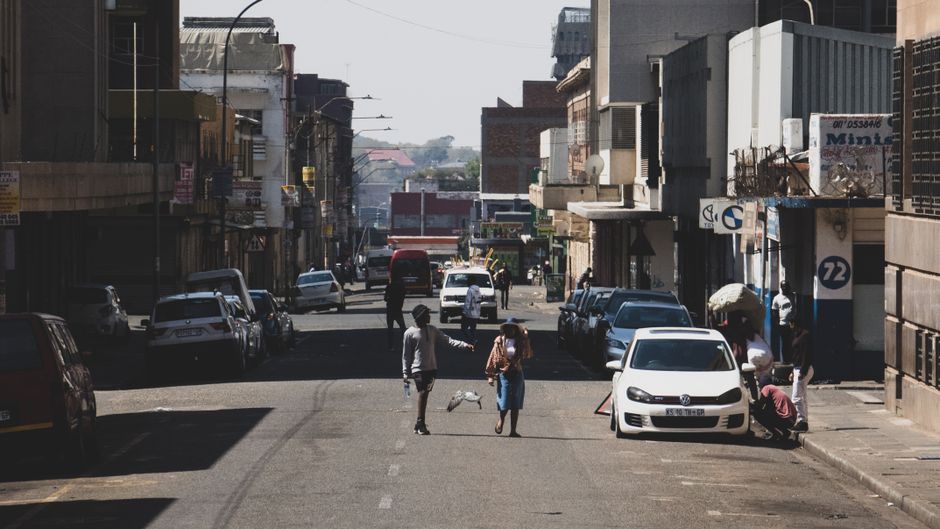
Johannesburg on July 4: What Visitors Should Know and the Must-See Highlights
As winter settles in, the city offers world-class galleries, thriving markets, and cultural landmarks that showcase why Joburg remains Africa's cultural epicenter.
As winter settles in, the city offers world-class galleries, thriving markets, and cultural landmarks that showcase why Joburg remains Africa's cultural epicenter.

July in Johannesburg means crisp mornings, clear skies, and crowds thinning out after the school holiday rush. The city's winter season—mild by Northern Hemisphere standards, with temperatures hovering around 15°C—creates ideal conditions for exploring on foot. For visitors planning their day, understanding what's actually worth your time separates the memorable from the forgettable.
The timing matters. While much of the Northern Hemisphere swelters through summer heatwaves that have forced event cancellations from Philadelphia to Washington DC, Johannesburg's Highveld plateau delivers the opposite problem: chill mornings that warm into pleasant afternoons. This weather window closes fast. By August, school holidays end and the city returns to regular rhythms, and September brings spring wildflowers that draw larger crowds to outdoor attractions.
Start at the Apartheid Museum on Soekkies Street in Nasrec. Opened in 2002, it remains one of the continent's most visited cultural institutions, with 750,000 annual visitors. The permanent collection spans 22 galleries documenting South Africa's racial segregation era through photographs, documents, and video testimony. Allow three hours minimum. Entrance costs R160 for adults, and the audio guide adds another R50 but proves worthwhile for context.
From there, head north to Constitutional Hill in Braamfontein. The precinct combines the original Old Fort complex, where political prisoners including Nelson Mandela were held, with the gleaming Constitutional Court building opened in 1995. The Constitutional Court itself operates as both functioning judicial space and public museum, with exhibits explaining how the 1996 Constitution came together. Entry is free, though guided tours (R80 per person) run weekdays at 11am and 2pm. The hilltop views across Joburg's northern suburbs reward the climb.
The Johannesburg Art Gallery on Joubert Park—despite its faded 1910 Edwardian architecture—houses Africa's largest collection of contemporary African art. The permanent collection includes works by William Kentridge, the country's most internationally recognized visual artist. Admission runs R30 for adults. The surrounding Joubert Park precinct itself remains gentrifying slowly; the gallery anchors efforts to reclaim the neighborhood as a cultural destination rather than avoid it, as many visitors did during the 1990s.
Understanding where locals actually spend their Saturday mornings reveals the city's real texture. The Braamfontein Spaza Market, operating since 2015 in a converted warehouse on Fox Street, draws young professionals and creatives. Vendors sell everything from craft beer to vintage clothing to biltong. Saturday mornings are peak; arrive before 11am to avoid crowds. The market operates year-round but summer (December-February) draws double the visitors.
Maboneng Precinct, the mixed-use development in the inner city anchored by artist studios and galleries, remains contentious. Property developers marketed it aggressively as a creative revival zone starting around 2008, but longtime residents and informal traders argue they've been priced out. For visitors, it's functional: restaurants like Neighbourgoods Market (R180-320 for main courses) sit alongside galleries like Blank Canvas and Platform Space. The precinct's restaurants and shops collectively draw 40,000 visitors monthly according to management figures, though independent verification of these numbers remains difficult.
Don't miss the Neighbourgoods Market on Saturdays (8am-2pm) if you want to see where Joburg's food culture actually happens. The warehouse venue in Maboneng hosts 60+ vendors selling everything from fresh produce to ready-to-eat meals. Prices range R40-180 for main courses. Expect to spend two hours browsing and eating.
For your evening, the Soweto Theatre on Vilakazi Street in Soweto programs everything from classical performances to jazz. The venue opened in 2016 and books international and local acts regularly. Check the schedule online before arriving, as programming varies. Vilakazi Street itself—the residential road where both Mandela and Archbishop Desmond Tutu once lived—remains the country's most visited street, drawing 3 million visitors annually according to Soweto Tourism figures.
Plan to spend R400-600 on a combination of museum entries and meals. Book Constitutional Court tours the day before via their website if you want the 11am slot. Bring a light jacket for morning and evening chill. The city rewards those who move slowly between neighborhoods rather than trying to tick every box in a single afternoon.
How does this story make you feel?
Spread the word
About this article
Published by The Daily Johannesburg
Daily brief
Free, in your inbox before 7am. Weekdays.
More in culture