The Architects of Ambition: The Story Behind Joburg’s Art Scene and the People Who Created It
While international headlines focus on global shifts, a quiet revolution is taking place in the warehouses of Maboneng and the historic halls of Parktown.
While international headlines focus on global shifts, a quiet revolution is taking place in the warehouses of Maboneng and the historic halls of Parktown.
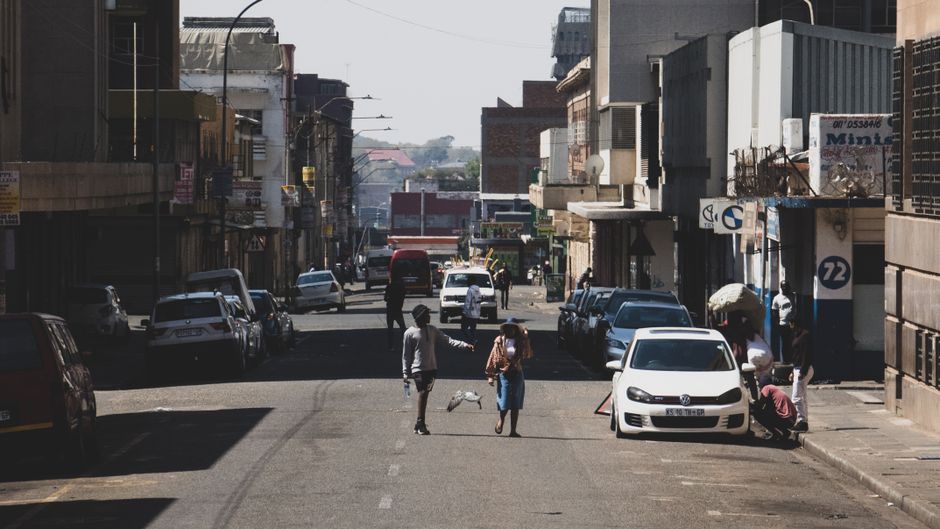
Johannesburg’s contemporary art market has moved beyond the traditional gallery model, with collective-run spaces now driving the city’s creative economy. As of this July, independent curators are sidestepping the high overheads of Rosebank, opting instead to renovate derelict light-industrial buildings into multi-use studios and exhibition halls.
The transformation of the Maboneng Precinct and the expansion of the Victoria Yards in Lorentzville are not accidental. These spaces reflect a deliberate strategy by local gallerists and artists to maintain physical proximity to their production. Organizations such as the Johannesburg Art Gallery (JAG) in Joubert Park continue to serve as the institutional anchor, yet the energy has shifted to independent collectives like the Bag Factory in Fordsburg. Founded decades ago to foster cross-cultural exchange, the space remains the primary incubator for local artists looking to break into the international biennial circuit.
This shift matters because it changes who controls the narrative of African contemporary art. By moving away from dealer-led models toward artist-managed platforms, local creators are retaining a greater percentage of sale proceeds and maintaining ownership of their intellectual property. The collaborative environment inside venues like the Circa Gallery on Jan Smuts Avenue has provided a blueprint for how smaller spaces can sustain themselves without the backing of massive corporate endowments.
Data from the local arts sector indicates that while gallery rental prices in wealthy northern suburbs have spiked by 12% in the last 18 months, occupancy in independent creative clusters has remained remarkably stable. A standard studio space in a renovated warehouse in the East City district currently averages R4,500 to R7,000 per month, a figure that remains viable for emerging artists compared to the triple-digit dollar rents seen in London or New York. Private equity investment in the arts, tracked by the Johannesburg Chamber of Commerce and Industry, shows a 5% increase in funding for community-led museum initiatives since the start of the 2026 fiscal year.
The current climate suggests a hardening of resolve among Joburg's creative class. Despite the global economic fluctuations that have stalled cultural grants elsewhere, local galleries are reporting record foot traffic during the First Thursdays events in Braamfontein. For those looking to support the ecosystem, the next month offers a slate of public programming at the Wits Art Museum, which serves as both a repository for historical Southern African art and a venue for current, often provocative, exhibitions. Expect to see a greater emphasis on digital-physical hybrid shows through the remainder of the year as curators look to balance local accessibility with the reach of international collectors.
How does this story make you feel?
Spread the word
About this article
Published by The Daily Johannesburg
Daily brief
Free, in your inbox before 7am. Weekdays.
More in culture


