Joburg’s creative pulse: emerging talent voices and the next wave to watch
While the global stage is distracted by geopolitics and celebrity weddings, a new generation of artists is quietly seizing control of the city’s cultural infrastructure.
While the global stage is distracted by geopolitics and celebrity weddings, a new generation of artists is quietly seizing control of the city’s cultural infrastructure.

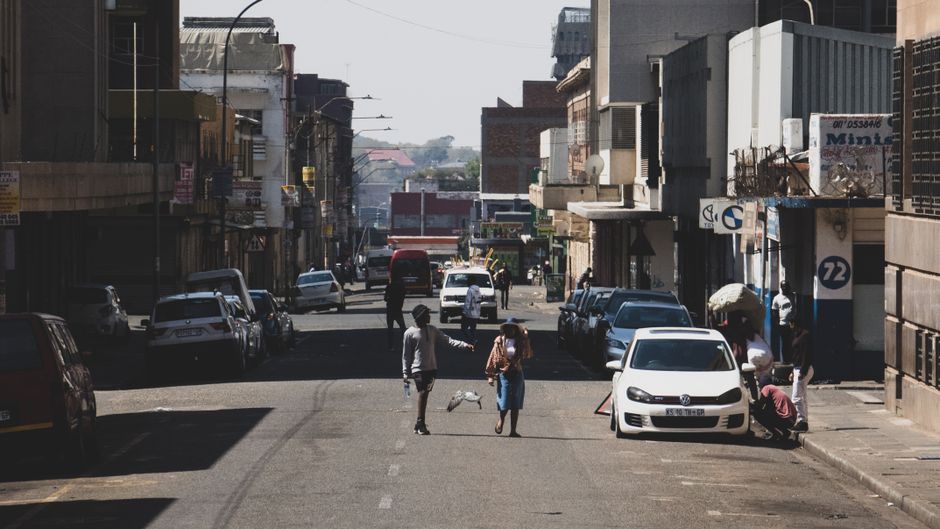
The center of gravity in Johannesburg’s art scene is shifting away from the traditional galleries of Rosebank and toward the gritty, industrial corridors of Maboneng and Doornfontein. This weekend, the city’s cultural output isn't being defined by established curators, but by a collective of underground producers and painters who are leveraging local spaces to bypass the conventional gatekeepers. Starting Friday evening, the 'Flux Initiative' kicks off a pop-up showcase at 123 Commissioner Street, featuring a lineup of artists who have spent the last six months working out of informal studios in the inner city.
This movement marks a clear departure from the high-brow exhibitions typically hosted in Sandton. The shift is practical rather than purely aesthetic; rising commercial rents in prime office nodes have pushed young practitioners into renovated warehouses where they can experiment with lower overheads. The 'Keleketla! Library' outreach program has been instrumental in this migration, providing both the physical space and the pedagogical framework for young writers and musicians to refine their craft outside of formal institutions. By grounding their work in the lived experience of the Johannesburg CBD, these voices are documenting a version of the city that is often ignored by international travel guides.
Data from the Gauteng Department of Economic Development indicates a 14% increase in small-scale creative enterprises registered in the inner-city precinct between January and June of 2026. Entry fees for this weekend’s independent showcases are averaging R80, significantly lower than the R250 ticket prices often seen at state-sponsored festivals. This accessibility is by design. Organizers are prioritizing foot traffic from local residents in Jeppestown and Troyeville rather than courting the tourist demographic that typically flocks to the larger, more commercialized heritage sites.
The sustainability of this wave depends on whether these informal networks can withstand the inevitable pressure of urban gentrification. The 'Market Photo Workshop' remains a critical anchor, continuing to provide technical training to photographers who document the physical evolution of the city's skyline. Unlike the fleeting headlines surrounding celebrity nuptials in the U.S. or political transitions in South America, the work emerging from these Joburg collectives is focused on long-term narrative building. It is a slow, methodical process of staking a claim on the city's future through canvas, lens, and sound.
If you plan to navigate the city’s creative output this weekend, start your Saturday at the Victoria Yards complex in Lorentzville. It remains the most concentrated site for observing these emerging artists in their natural habitat. Most studios will be open to the public from 10:00 until 16:00, with several artists planning to release limited-edition prints of their latest series. Do not wait for a formal invitation to these openings; the most vital work happening in Johannesburg right now is rarely advertised on major billboard campaigns. Follow the street-level flyers and the local underground social media channels, as that is where the real cultural barometer is currently set.
How does this story make you feel?
Spread the word
About this article
Published by The Daily Johannesburg
Daily brief
Free, in your inbox before 7am. Weekdays.
More in culture