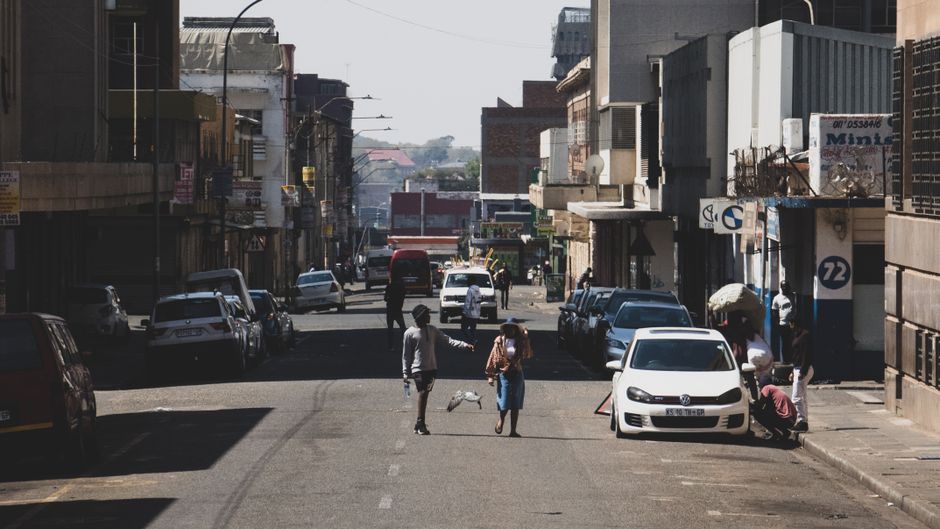
Johannesburg’s cultural pulse is currently beating outside the traditional boardroom districts, with a cluster of independent art collectives and music promoters commandeering the city’s industrial fringes this weekend. From the rooftop galleries of Maboneng to the revitalized studio spaces in Rosebank, the city is moving away from a reliance on large-scale, corporate-sponsored stadium events toward fragmented, neighborhood-led creative hubs.
This shift matters because the city’s economic narrative is being rewritten by the creative sector. Where previous municipal strategies leaned on mega-events to draw visitors, the current wave of activity focuses on longevity and local ownership. Organizations like the Victoria Yards community in Lorentzville have seen a 40% increase in weekend foot traffic over the last quarter, signaling that residents are prioritizing localized, community-anchored cultural experiences over centralized commercial centers.
The infrastructure of the new creative class
The geography of Joburg's weekend economy is changing. In the Arts on Main complex, storefronts that sat vacant during the post-pandemic lull are now occupied by short-term residencies for local illustrators and print-makers. This shift is mirrored at the Keyes Art Mile in Rosebank, where the transition from high-end retail to curated, interactive exhibition spaces has forced a rethink of how space is monetized in the city. By lowering the barrier to entry for smaller galleries, these venues are shifting the identity of the city from a commercial pass-through to a destination for serious cultural consumption.
The financial data supports this pivot. While traditional retail sectors in the Sandton CBD remain stagnant, ticketed entry for independent micro-festivals has grown by roughly 18% since January 2026. Entry costs for these curated events currently hover between R150 and R350, a price point that facilitates a broader demographic mix than the exclusive, high-ticket concerts that dominated the Johannesburg social calendar a decade ago. These events are not merely weekend distractions; they function as a decentralized incubator for designers and DJs who previously struggled to find venues in the city’s rigidly zoned entertainment districts.
What to expect in the coming weeks
For those looking to navigate the weekend, the focus should be on the intersection of food and performance. The Market on Main, often seen as a bellwether for local spending habits, will host a series of workshops this Saturday that prioritize collaborative arts over passive observation. It is a departure from the passive consumption model of the past, requiring visitors to engage with the actual production of goods, from textiles to digital media.
Moving forward, the city’s planning department is expected to release the draft of the Inner City Cultural Zone policy by August 15. If the current trajectory holds, expect more streets in neighborhoods like Braamfontein to be pedestrianized for weekend artisan markets, effectively locking in these ad-hoc gatherings as permanent features of the Johannesburg landscape. For this weekend, however, the advice is simple: stick to the smaller, independent venues where the intersection of local music and visual arts remains the primary draw.