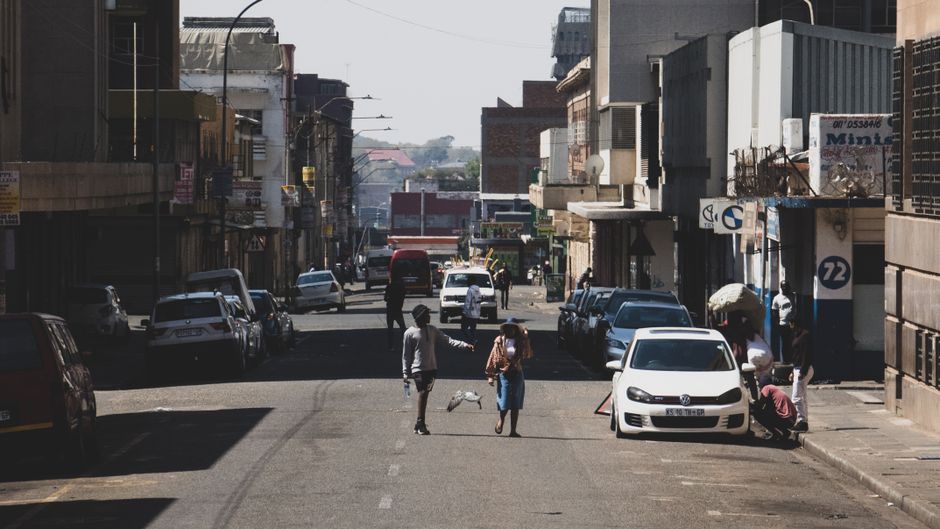
Johannesburg is currently trading the sweltering heat reported across the northern hemisphere for a crisp, high-veld winter afternoon, with temperatures hovering around 16 degrees Celsius. Despite the chill, the city’s cultural engine remains in high gear, shifting away from the traditional, rigid institutional hubs of the 20th century toward the decentralized, repurposed spaces that define the post-2010 era.
The Reclaiming of the Inner City
The transition is most visible in neighborhoods like Maboneng and the northern corridor of Braamfontein. Decades ago, these districts were dominated by heavy manufacturing and warehouse logistics serving the gold mining industry. Today, the Arts on Main complex—housed in a converted 1900s-era industrial factory on Fox Street—serves as the blueprint for this urban evolution. Where milling machines once churned, independent galleries and boutiques now stand, reflecting a strategic shift in local government planning that prioritized mixed-use zoning over segregated industrial blocks.
This evolution matters because it challenges the long-standing narrative that Johannesburg is merely a transit point for travelers moving toward the Cape or the Kruger. The city’s identity has been reconstructed through its architecture; the adaptive reuse of buildings like the old Rand Club or the myriad of brick warehouses in the Fashion District indicates a permanent migration of the city’s middle-class cultural consumers back to the CBD after years of urban decay in the late 1990s.
Data and Destinations for the Weekend
Statistics from the Johannesburg Development Agency show a 22% increase in foot traffic within the inner-city cultural precinct over the last five years. While international headlines focus on geopolitical shifts, locals are focused on the cost of experience; a standard ticket for an afternoon of live jazz at The Orbit in Braamfontein currently sets patrons back R250, a price point that has remained relatively stable even as the city’s hospitality sector adapts to inflationary pressure. The Tshepo 1 Million initiative, which focuses on youth employment in these creative sectors, has successfully placed over 400 artisans into formal residencies within the city center this year alone.
For those looking to engage with the city’s history this weekend, a walk from the Wits Art Museum on Jan Smuts Avenue down to the historic Drill Hall provides the most comprehensive visual map of this transformation. Security remains a priority; visitors are advised to stick to the well-lit, private security-patrolled zones within Maboneng after sunset. The evolution of Johannesburg is not complete, but the current configuration suggests that the future of the city’s culture lies firmly in the hands of its residents—not in the boardrooms of the old mining houses, but in the studios and rooftop bars that have redefined the skyline.