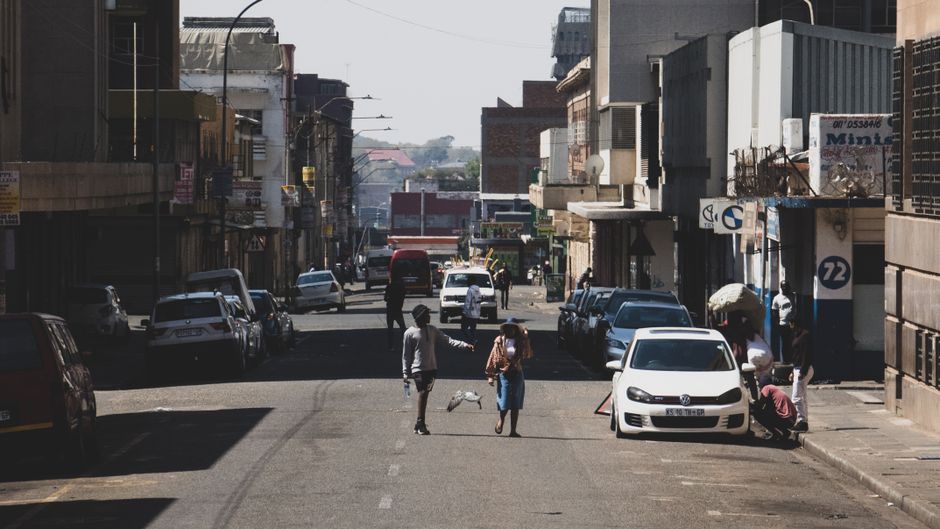
Johannesburg is celebrating the Fourth of July with a quiet, biting chill, a stark contrast to the record-breaking heat waves currently forcing event cancellations across the United States. While the city marks Liberation Day commemorations in solidarity with our partners in Kigali, the local cultural calendar remains packed, reflecting a decades-long pivot from a closed-off industrial enclave to a sprawling, porous creative capital.
The Rebirth of the Inner City
The evolution of the Maboneng Precinct remains the most visible marker of this shift. Once a collection of neglected light-industrial warehouses on the eastern edge of the CBD, the area is now the beating heart of the city’s weekend trade. Today, the Arts on Main complex serves as the epicenter for those seeking a mix of studio spaces, galleries, and high-end artisanal food stalls. Developers began the aggressive revitalization of this corridor in 2009, effectively changing how Joburgers view the downtown grid—moving away from the suburban flight that dominated the 1990s and back toward a dense, walkable urban experience.
A short distance away in Braamfontein, the vibe is younger and driven by the influence of Wits University and the neighboring campuses. The area around Juta Street has evolved from a transit thoroughfare into the city’s premier spot for streetwear retail and nightlife. The neighborhood’s shift since the 2010 FIFA World Cup, when major infrastructure investments first sparked the resurgence of the northern city edge, is evident in the sheer number of independent galleries and coffee roasters now operating on ground floors that were once boarded up for safety concerns.
Economics and Access
Data from the Johannesburg Development Agency shows that private investment in the city center has topped R10 billion since 2015, fueling the renovation of heritage sites like the Rand Club and the older residential blocks in Marshalltown. These investments carry a price, however. A standard flat white at a craft café in Maboneng now averages R38, a 40% increase compared to prices in the residential suburbs of Linden or Parkhurst just six years ago. This economic climb has forced a tension between the original creative inhabitants and the newer, more commercialized interests now occupying the streets.
For those venturing out today, the best strategy is to avoid the peak traffic on the M1 highway and focus on localized exploration. If you find yourself in the city center, the Sunday markets at the Neighbourgoods Market remain the standard for a reason; arrive before 11:00 AM to secure a table. Keep your valuables out of sight while walking the blocks between the Fox Street food markets and the Chancellor House exhibition space. As the city continues to densify, the interplay between its brutal, gold-mining history and its modern artistic output remains the most compelling reason to spend your afternoon in the streets of Jozi.