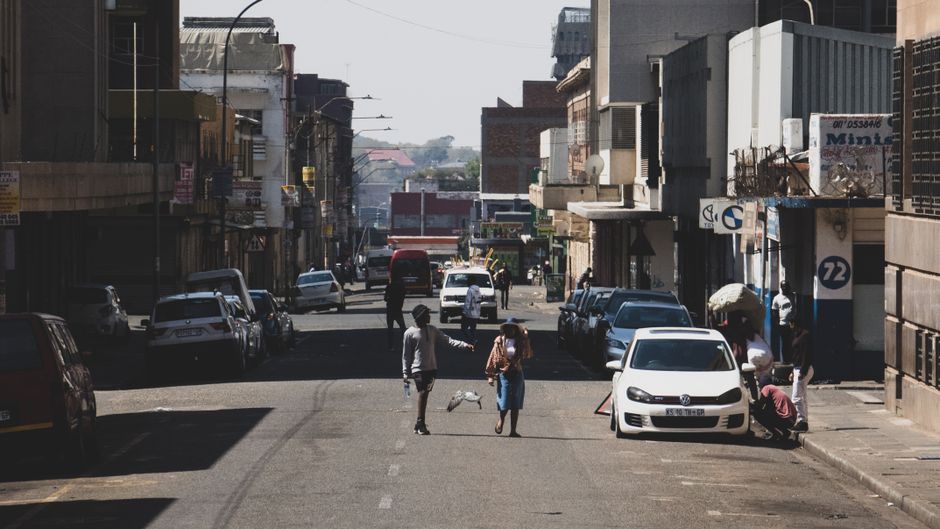
Johannesburg’s public calendar remains fixed on the winter solstice cycle, but the way we occupy these streets has shifted dramatically from the rigid zoning of the past. Today, July 4, the inner-city precincts of Maboneng and Braamfontein are seeing record foot traffic, marking a departure from the mid-century era when these areas were strictly segregated commercial corridors. Where the city once shuttered its doors at 5:00 PM, modern developments now prioritize the 24-hour pedestrian experience.
The Architecture of Reclaiming Space
The transition from industrial isolation to social cohesion started in earnest following the 1994 democratic transition, but the physical reality only caught up in the last decade. Looking at the redevelopment of the Fox Street corridor, the evolution is clear. Where warehouses once processed heavy machinery, venues like Arts on Main now serve as the anchors for creative output. This shift toward adaptive reuse, spearheaded by projects like the Propertuity interventions of the early 2010s, turned former "no-go" industrial shells into the nerve centers of South African fashion and tech startups.
The evolution is not just aesthetic; it is structural. During the 1970s and 80s, the Johannesburg CBD was defined by exclusionary architecture like the high-walled plazas of the Carlton Centre. Today, the city’s heart is defined by the permeable ground floors of the Maboneng precinct. Data from the Johannesburg Development Agency indicates that over R1.2 billion in private investment has been channeled into these specific heritage blocks since 2018, aimed at creating walkable, high-density residential and retail intersections that ignore the old racial demarcations of the apartheid-era city planning maps.
Economics of the Modern Urban Weekend
Despite the current inflationary pressures—with food prices in Gauteng rising by an average of 9.2% over the last twelve months—the cultural economy of Johannesburg remains resilient. A standard entry fee for the weekend markets in the city center now sits at roughly R50, a small price compared to the prohibitive costs of exclusive private clubs that dominated the social scene in the 1990s. The accessibility of these spaces has created a new, younger demographic of "urban explorers" who treat the skyline as their primary backdrop.
If you are heading out today, avoid the gridlock of the M1 highway near the Crown Interchange. Instead, park at the Neighbourgoods Market site or the nearby sheds in Braamfontein. By mid-afternoon, the temperature will drop sharply as the sun dips behind the high-rises on Jan Smuts Avenue, signaling the transition from outdoor coffee culture to the evening music sessions that define the city’s current nightlife. The best advice for navigating this scene is to stick to the well-lit pedestrian grids between Commissioner and Fox Streets, where local security patrols—funded by the Central Improvement Districts—are most visible.