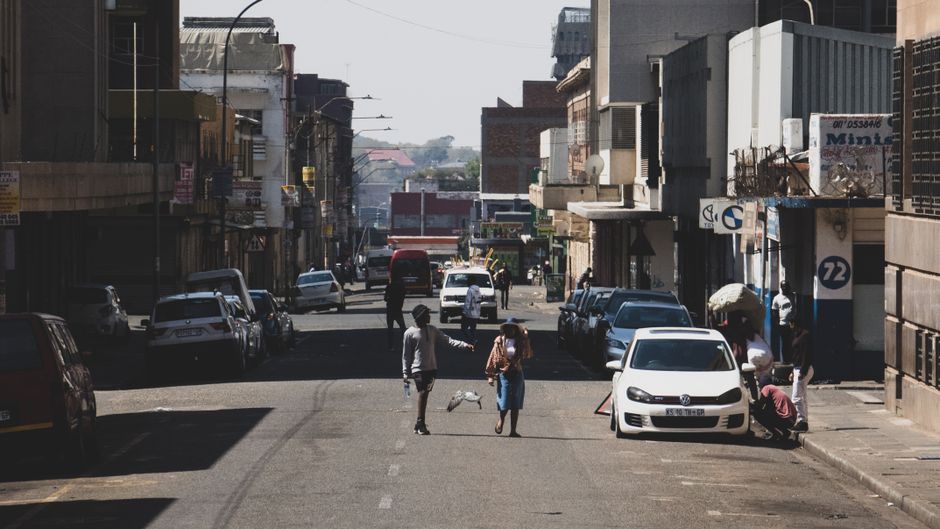
Johannesburg’s social scene has undergone a fundamental transformation today, trading its historic reputation as a transient, industrial stopover for a permanent status as a cultural anchor. While the mercury lingers at a crisp 14 degrees Celsius, the city’s public spaces are seeing a marked shift in demographics and intent, driven by a decade of urban renewal projects in neighborhoods like Maboneng and Braamfontein.
The Concrete Shift: From Commerce to Culture
The city's evolution is best measured by the physical reclamation of its central business district. Thirty years ago, the area around Marshall Street was largely abandoned after 5 p.m. as commercial tenants fled for the relative safety of the northern suburbs. Today, that narrative has been inverted. Institutions like the Wits Art Museum and the Market Theatre are now the gravitational centers of the city, pulling thousands of residents back into the grid of the inner city every weekend.
Economic data from the Johannesburg Development Agency suggests that this change is no longer incidental. Property values in the revitalized corridors of Fox Street have seen a 22% appreciation since 2020, even as inflation remains a persistent pressure on the local retail sector. This commercial stabilization has allowed a new generation of entrepreneurs to move beyond temporary pop-ups, opting instead for long-term leases in heritage buildings that once served as garment factories or gold-trading offices.
Navigating the Current City
For those looking to experience this evolution firsthand, the choice of destination is a reflection of the city's layered history. The Neighbourgoods Market in Braamfontein remains the gold standard for this transition, occupying a former industrial storage site that now houses artisanal vendors charging between R85 and R150 for curated local meals. It is a far cry from the utilitarian lunches served to miners and clerks in the 1970s, marking a pivot toward experiential tourism that defines the modern Joburg identity.
As the sun sets over the iconic Hillbrow Tower, the city enters a phase of nightlife that has matured beyond its experimental roots. If you are planning an excursion tonight, bypass the large commercial malls in Sandton and look instead toward the smaller, independent venues along Commissioner Street. While security remains a necessary consideration, the density of foot traffic in these pockets suggests that the effort to reclaim the city center is gaining momentum. Keep your transit plans firm—stick to verified ride-sharing services like Uber or Bolt, especially if your evening ends in the early hours near the late-night galleries of the Maboneng precinct.