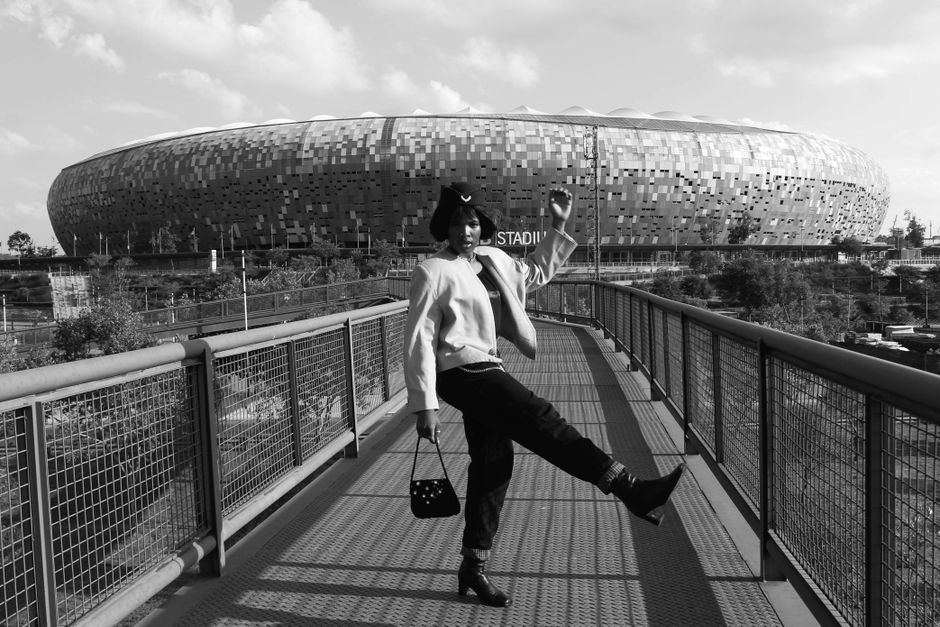
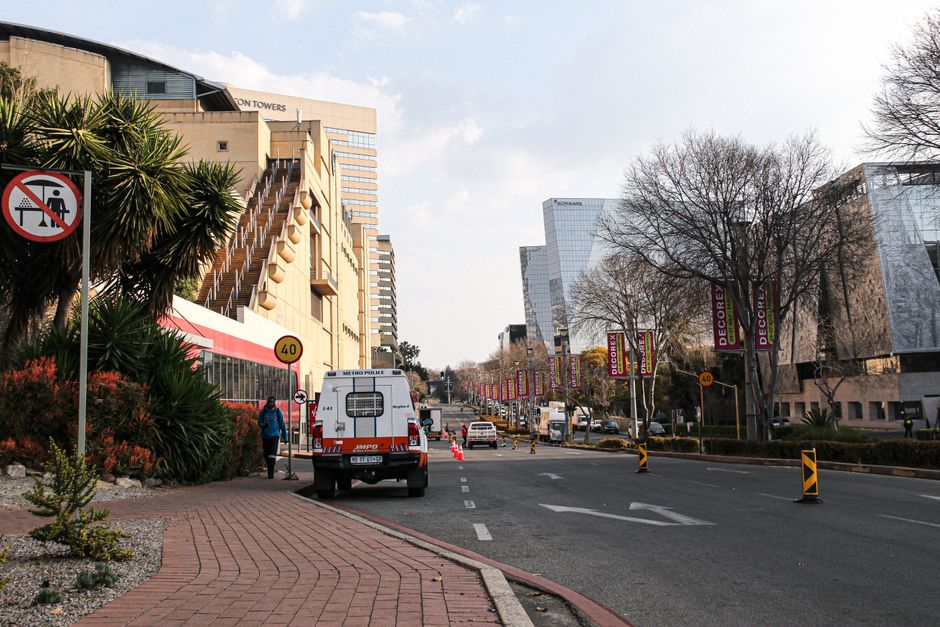
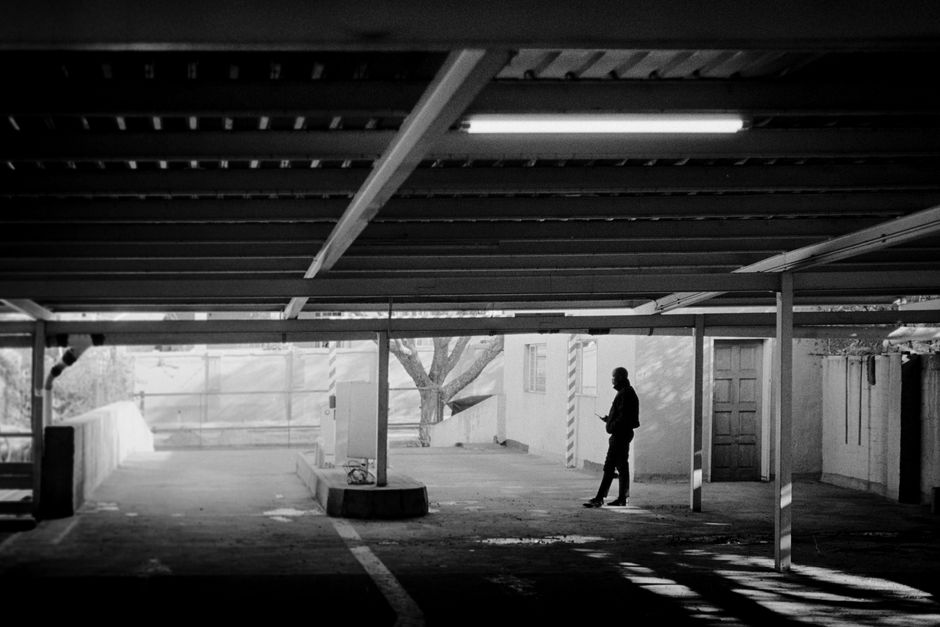
Walk through Maboneng Precinct on a Friday evening and you'll witness Johannesburg's cultural paradox in real time: Victorian-era brick warehouses host galleries displaying work that interrogates the very systems those buildings once served. This collision between heritage and radical reimagining has become the city's defining creative tension.
The transformation isn't accidental. Over the past decade, Johannesburg's cultural institutions have deliberately repositioned local history not as a museum piece, but as living material for contemporary artists. The Apartheid Museum, which attracts nearly 750,000 visitors annually, has evolved beyond documentation into a space where curators actively commission new work exploring ongoing inequality. Meanwhile, smaller venues like the Goodman Gallery in the CBD and Project Space in Braamfontein have become laboratories where artists deconstruct the city's layered past.
This heritage-driven creativity is economically significant. The creative industries now contribute an estimated R18 billion annually to Johannesburg's economy, with heritage tourism representing roughly 23% of that figure. But the cultural impact extends far beyond economics. Young South African artists—many born after 1994—are using the city's documented trauma as a framework for imagining alternatives, rather than dwelling in victimhood.
Newtown's transformation exemplifies this. Once the heart of the city's informal economy and underground resistance culture, it's now home to the SAB World of Beer, Museum Africa, and dozens of independent galleries. Yet unlike sanitised heritage precincts elsewhere, Newtown deliberately preserves its rougher edges. The Mary Fitzgerald Square still hosts political gatherings; street art remains deliberately ungoverned; galleries regularly rotate exhibitions exploring labour history and township culture.
What distinguishes Johannesburg's approach is its refusal of nostalgia. Rather than celebrating the past, the city's most vital cultural institutions ask: what does this history demand of us now? The Wits School of Arts, the Johannesburg Development Agency's cultural initiatives, and independent collectives like BlackBox Theatre are actively platforming artists who engage with heritage as provocation rather than preservation.
This matters beyond the gallery walls. In a city still navigating deep spatial and economic divides, the reclamation of shared history—painful as it is—provides rare common ground. When a play in Soweto examines the same historical period as an installation in Sandton, cultural identity becomes less about neighbourhoods and more about collective reckoning.
The work remains unfinished, contested, sometimes uncomfortable. But that's precisely what makes Johannesburg's cultural identity distinctive: it's built not on resolution, but on the creative struggle to understand itself.
This article was compiled by AI and screened before publishing. See our editorial standards.