Johannesburg's Top Heritage Sites and Cultural Spaces Explored Now
From Constitution Hill to Soweto's vibrant townships, discover how Johannesburg is reimagining its identity through museums, galleries, and grassroots cultural spaces.
From Constitution Hill to Soweto's vibrant townships, discover how Johannesburg is reimagining its identity through museums, galleries, and grassroots cultural spaces.
Listen to this article · 4:00
Johannesburg's cultural renaissance isn't happening in isolation. As global tensions reshape migration patterns and communities reassess their identities, our city offers a masterclass in how shared history and inclusive cultural spaces can strengthen social cohesion. Here's where to experience it authentically.
Constitutional narratives at Constitution Hill
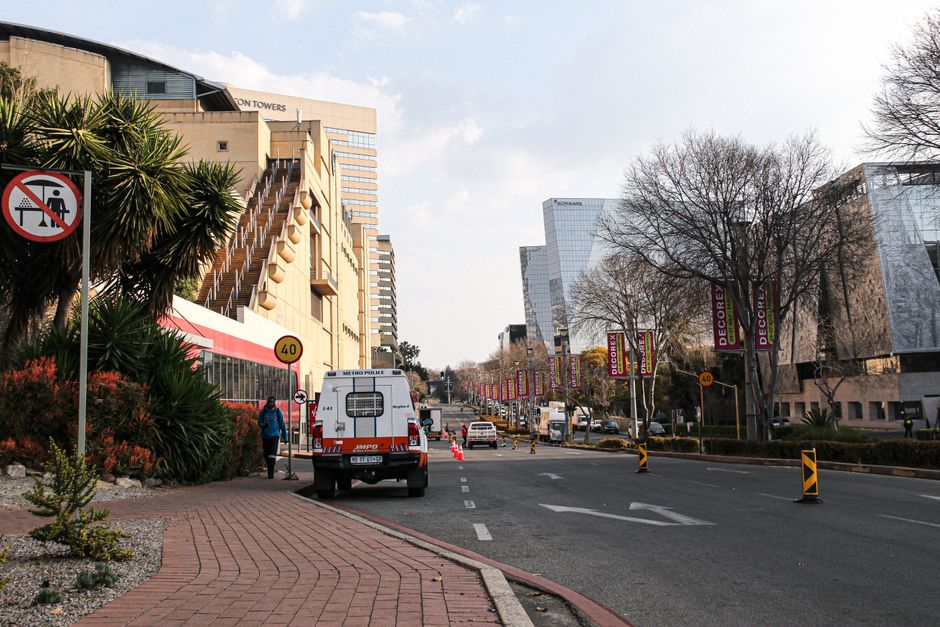
Start in the Braamfontein precinct, where the Constitutional Court occupies the site of the Old Fort prison complex. The Apartheid Museum nearby—which saw 87,000 visitors in 2024—contextualises how legal frameworks evolved. Entry is R85 (around $4.70), but the investment in understanding our judicial transformation is immeasurable. The precinct's regeneration demonstrates how heritage preservation can anchor civic identity.
Soweto's living history
The Hector Peterson Memorial Museum on Khumalo Street stands exactly where the 1976 uprising began. Unlike static exhibitions, this space pulses with community connection. Guided tours (approximately R150) take you through Orlando, revealing how township culture—from shebeen traditions to contemporary street art—remains the city's creative heartbeat. The Vilakazi Street precinct, home to both Nelson Mandela's and Desmond Tutu's residences, draws 250,000 annual visitors seeking tangible links to liberation history.
Maboneng's grassroots galleries
The Arts on Main in Maboneng has transformed a former industrial warehouse into Johannesburg's most democratic cultural hub. Local artists occupy studio spaces at accessible rates, while monthly open-studio events (free entry) reveal how contemporary Johannesburg artists process our complex past through painting, sculpture, and installation work. The precinct's accessibility—both economically and geographically, near Jeppestown's taxi hub—democratises who gets to shape cultural narratives.
Newtown's institutional anchors
The Johannesburg Development Agency has invested in Newtown's cultural corridor. The Market Theatre, operating since 1976, remains politically engaged programming space. Nearby, the South African Museum of Literature documents how writers like Miriam Makeba and Dumisani Kumalo articulated resistance through culture. Ticket prices (R120-R180) remain deliberately modest.
Independent and emerging spaces
Don't miss artist-run initiatives like Blank Space in Fordsburg or the Zeitz MOCAA's satellite programming in Maboneng. These venues, often operating on shoestring budgets, amplify voices institutional spaces miss.
What unites these spaces? Recognition that cultural identity isn't merely preserved—it's actively contested, reimagined, and collectively authored. Johannesburg's heritage strength lies not in monuments alone, but in spaces where ordinary citizens reclaim narratives.
Begin here. Stay curious. The story continues through your participation.
This article was compiled by AI and screened before publishing. See our editorial standards.
How does this story make you feel?
Spread the word
About this article
Published by The Daily Johannesburg
Daily brief
Free, in your inbox before 7am. Weekdays.
More in culture