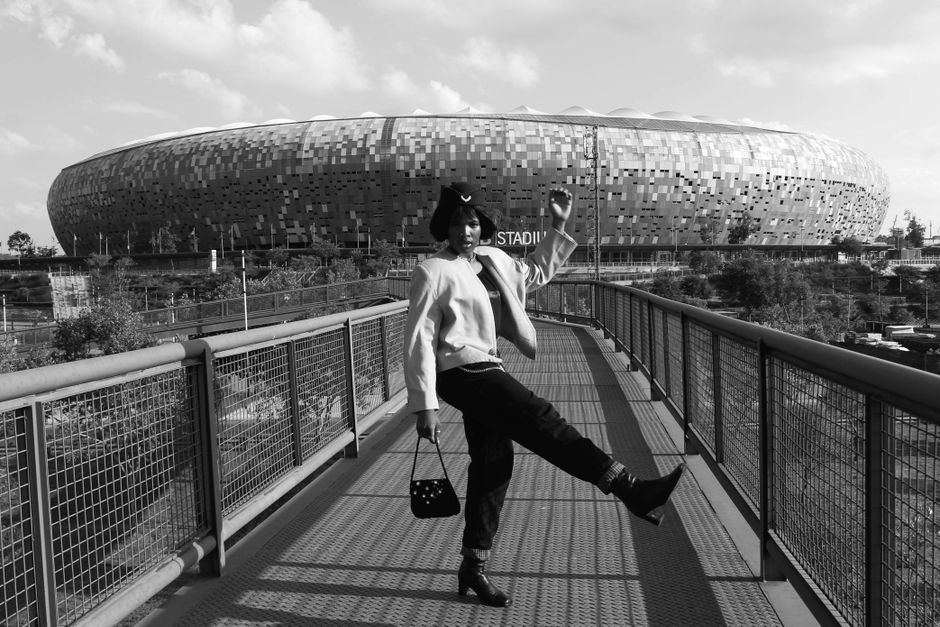
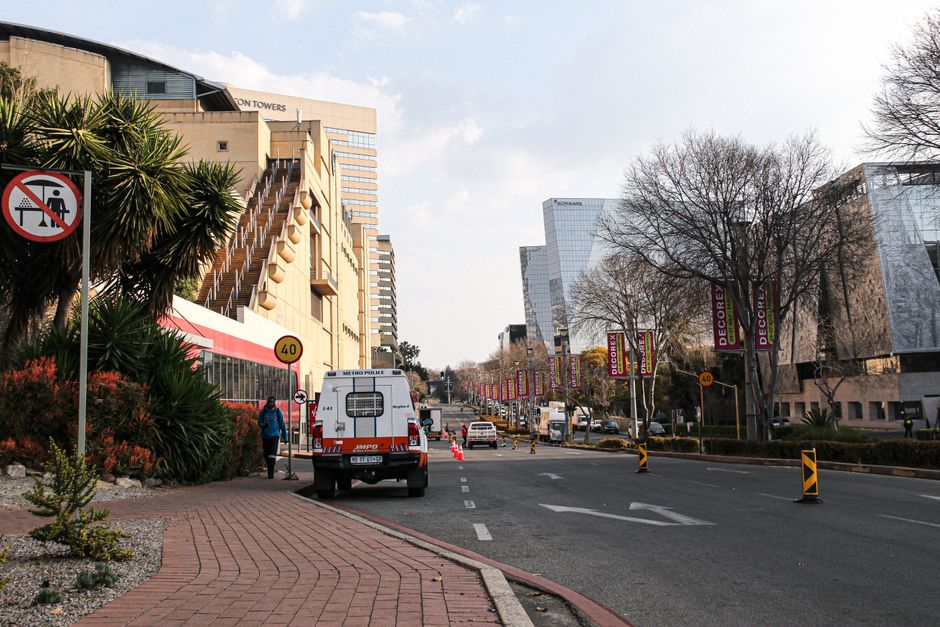
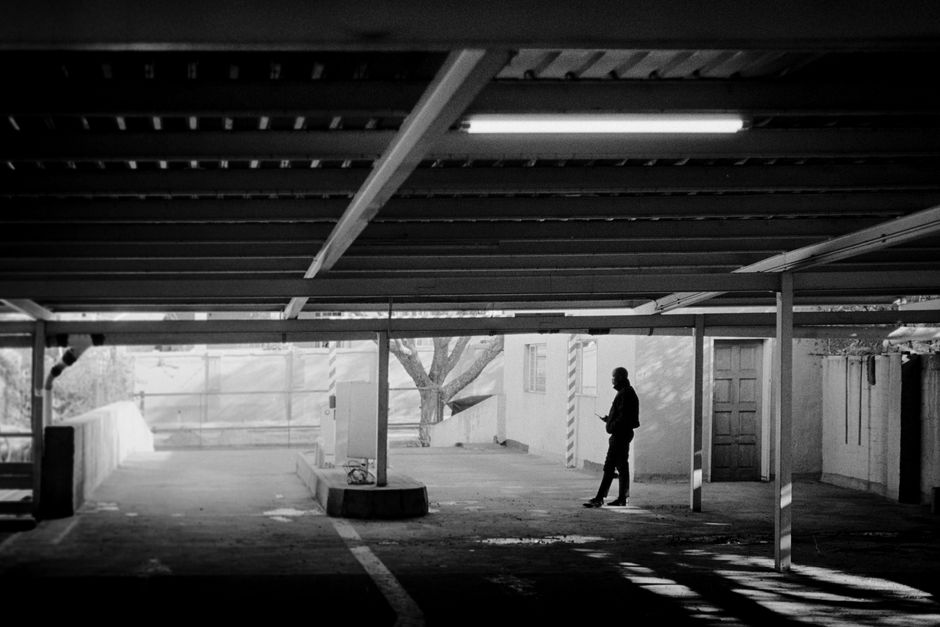
Walk through Braamfontein on any given weekend and you'll notice something shifting. The city's festival and events landscape—once dominated by established institutions—is being quietly colonised by a new generation of curators, musicians, visual artists and performers who are creating their own platforms rather than fighting for scraps on established ones.
This July marks a turning point. While the Johannesburg Summer Festival and long-standing cultural fixtures remain important anchors, smaller, fiercer events are drawing younger audiences and attracting the kind of creative risk-taking that defines a city's cultural currency. Independent collectives operating from converted warehouses in Fordsburg and artist-run spaces in Maboneng are programming events that rival—and often outpace—traditional venues in innovation and cultural relevance.
The numbers tell part of the story. According to data from the Johannesburg Development Agency, small-scale cultural events in historically marginalised neighbourhoods have grown by approximately 40% since 2023. Many operate on shoestring budgets, relying on ticket sales ranging from R80 to R250, yet they're generating conversation that reaches far beyond their immediate postcode.
What distinguishes this wave isn't merely novelty. These emerging curators are deliberately platforming voices—experimental electronic producers from the East Rand, spoken-word artists navigating township narratives, visual collectives interrogating South Africa's post-conflict memory—that larger institutions have historically sidelined. They're also building intergenerational bridges; a 26-year-old theatre maker in Maboneng might collaborate with a 62-year-old musician from Soweto, creating hybrid events that feel urgent rather than nostalgic.
Venues matter here. The shift from Sandton's commercial event spaces toward accessible locations in areas like Newtown, Braamfontein and the Maboneng Precinct reflects a philosophical choice: these artists want audiences who couldn't previously afford or access culture to become part of the conversation. It's resource scarcity that breeds creativity—and in Johannesburg, that equation is producing remarkable results.
The emerging voices reshaping Joburg's calendar aren't waiting for institutions to validate them. They're building their own ecosystems, documenting their work on social platforms, and creating events that feel necessary rather than aspirational. By year's end, several of these collectives will likely influence the larger festivals' programming decisions—a natural consequence of cultural gravity shifting toward authenticity, accessibility and artistic courage.
For culture-watchers, the real festival season in Johannesburg isn't necessarily on the official calendar. It's happening in the spaces between, where the next wave is already performing.
This article was compiled by AI and screened before publishing. See our editorial standards.