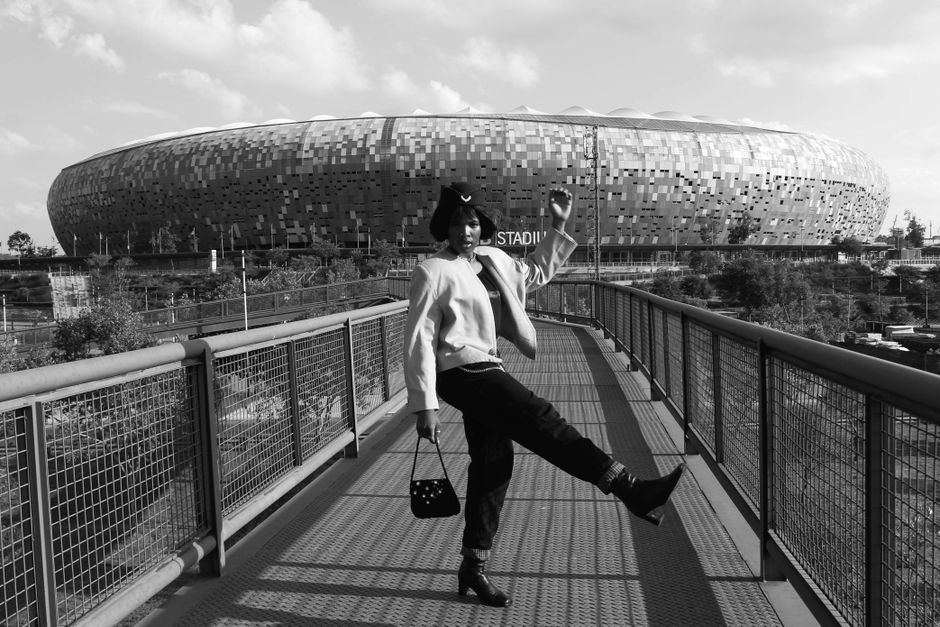
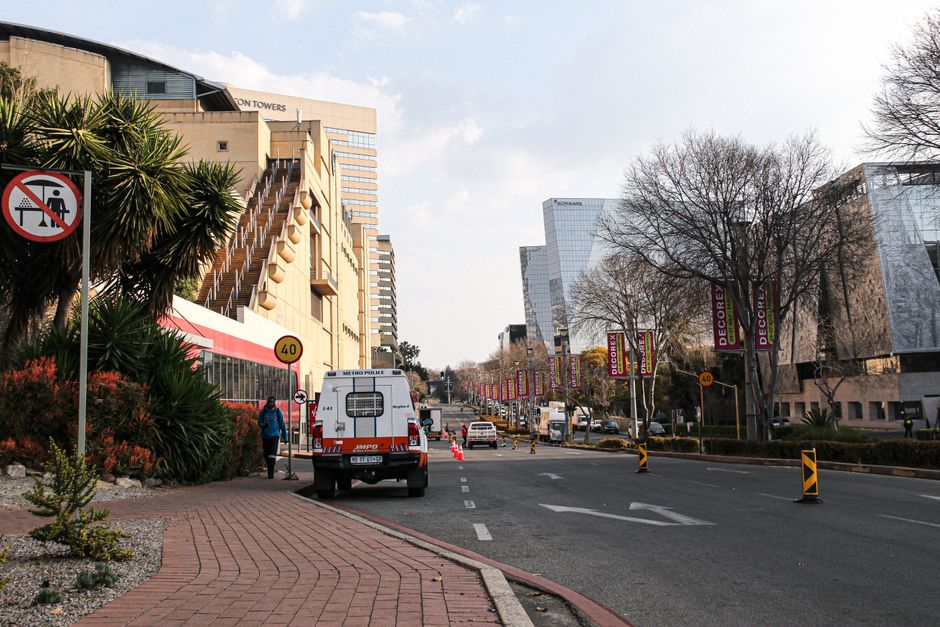
Johannesburg's fashion and design scene has undergone a quiet revolution. Once dismissed as a city of commerce rather than creativity, South Africa's economic hub now hosts a flourishing ecosystem of designers, makers, and innovators challenging continental narratives and attracting international attention. For visitors seeking authentic creative experiences, the city offers far more than shopping malls.
Start in Braamfontein, where a cluster of independent fashion boutiques and design studios occupy heritage buildings along Fox Street and surrounding lanes. This neighbourhood has become a magnet for emerging designers—many of them using locally-sourced fabrics and artisanal production methods. The area pulses with creative energy, particularly on weekends when galleries and open studios welcome browsers. Expect to pay between R400 and R2,000 for statement pieces from local independent designers, significantly less than international equivalents.
The Maboneng Precinct, anchored by the Arts on Main building, deserves a full afternoon. This converted warehouse complex hosts fashion showrooms, design studios, and craft spaces where you can watch makers at work. The precinct hosts monthly First Thursdays events, drawing crowds of design enthusiasts and cultural workers. Entry is typically free, though purchasing work directly supports creators.
For understanding Johannesburg's design infrastructure, visit the Johannesburg Development Agency's creative economy initiatives in the CBD. The city's fashion industry generates an estimated R8 billion annually and employs over 12,000 people across design, manufacturing, and retail. This isn't a tourist-driven sector—it's deeply rooted in local entrepreneurship.
Don't miss Parkhurst's Design Quarter precinct, where established and emerging designers operate showrooms in a curated retail environment. Unlike Braamfontein's bohemian edge, Design Quarter offers polish and accessibility for visitors seeking higher-end local fashion. Many designers here work with ethical manufacturing practices, addressing growing global consciousness about fashion production.
Several fashion designers showcase their work through online platforms and pop-up installations throughout the year. Check local listings for Fashion Week activities, which typically occur in September and March, though the calendar remains fluid. Private studio visits can often be arranged through boutique owners and design associations.
Practical tip: Johannesburg's creative industries operate largely on weekday and weekend schedules that differ from traditional retail. Many ateliers and design studios operate by appointment or on limited hours. Call ahead or check social media before visiting independent spaces.
The city's fashion ecosystem reflects Johannesburg's broader character—ambitious, resourceful, and unapologetically local. For visitors interested in genuine creative encounters rather than commercial tourism, the rewards are substantial.
This article was compiled by AI and screened before publishing. See our editorial standards.