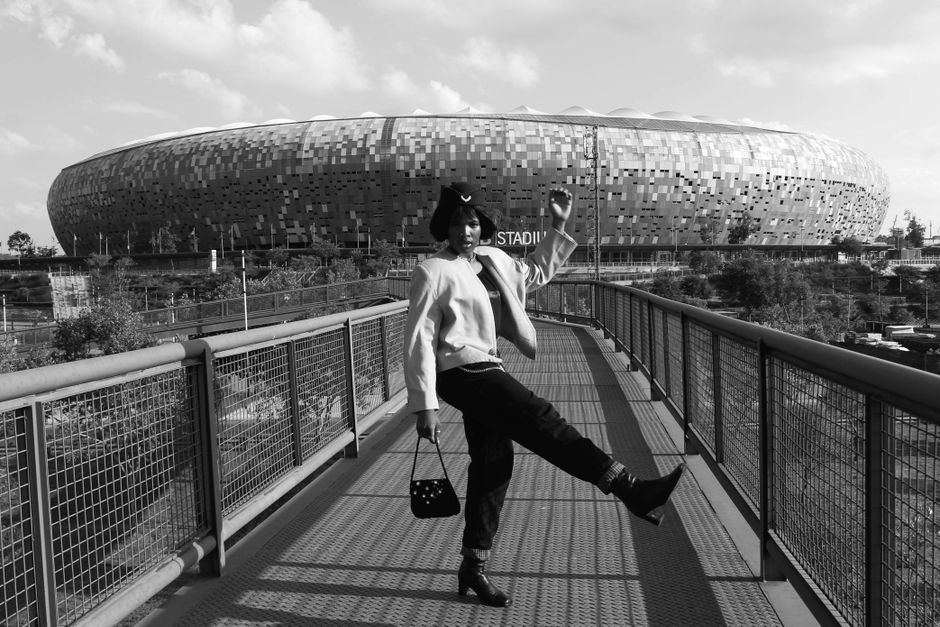
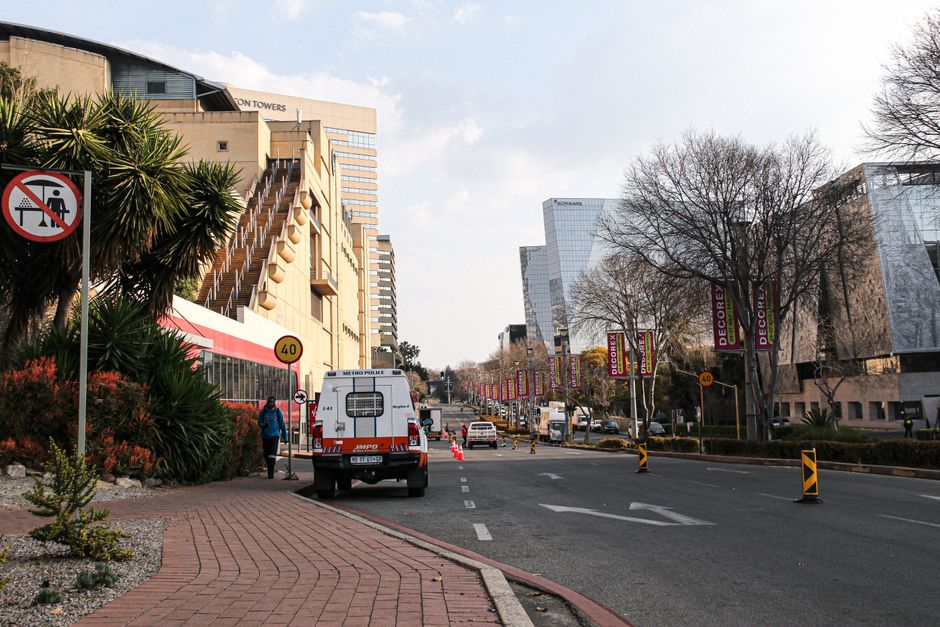
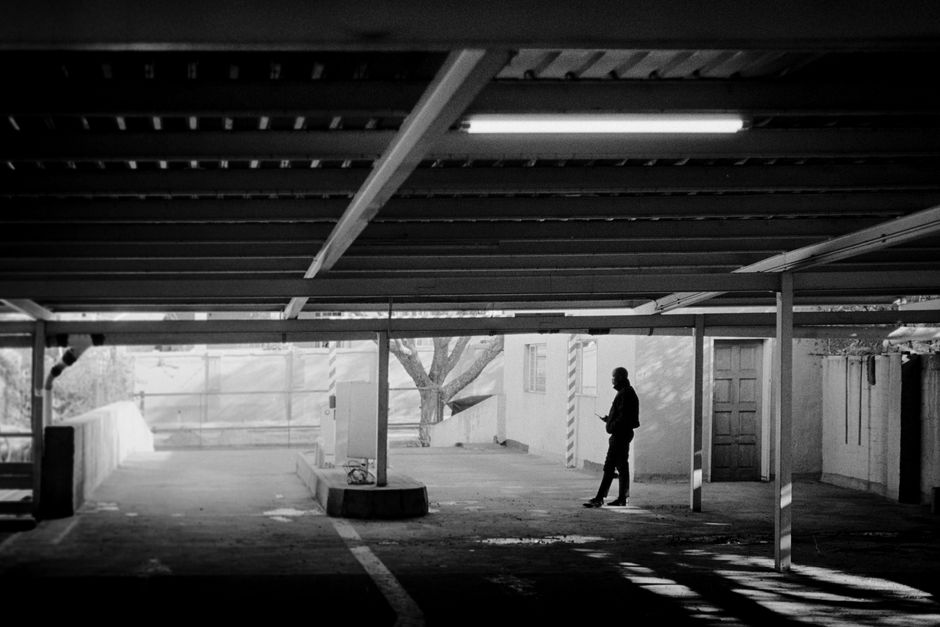
Johannesburg's fashion industry was never meant to exist. Under apartheid, the city's creative energy was fragmented, marginalised, and forced into the shadows of the Johannesburg CBD and the townships beyond. Yet it was precisely this constraint that forged something extraordinary. Today, the corridors of Braamfontein, the creative hubs dotting Maboneng, and the design studios scattered across Marshalltown tell a story of resilience that rivals any global fashion capital.
The 1980s and 1990s saw Johannesburg's first wave of homegrown designers working against the grain. These creatives—many Black designers working outside formal industry structures—used fashion as a form of cultural resistance and identity reclamation. The transition to democracy in 1994 didn't instantly transform the industry, but it cracked open possibilities. By the early 2000s, designers began clustering in reclaimed spaces. Braamfontein emerged as the epicentre, with artists and fashion entrepreneurs converting abandoned warehouses into studios and showrooms.
Today, the creative industries contribute an estimated R47 billion annually to Johannesburg's economy, with fashion representing a substantial slice of that pie. The city hosts Africa Fashion Week, draws international buyers to its showrooms, and has produced designers whose work graces international runways. Studios in areas like Marshalltown now operate at near-capacity, with rental prices reflecting the sector's growth—studio spaces that cost R3,000-5,000 monthly a decade ago now command R8,000-15,000.
The infrastructure has matured too. The Johannesburg Development Agency's investment in Maboneng has created retail and exhibition spaces that didn't exist before. The Design Hub in Braamfontein, the Watershed in Maboneng, and independent galleries across the city provide platforms for emerging talent. Fashion schools like AFDA and the IIE have expanded their programmes, producing graduates who often choose to build careers locally rather than seeking opportunities abroad.
Yet evolution hasn't erased struggle. The industry still grapples with access to capital, with many emerging designers forced to bootstrap their operations or seek funding from diaspora networks. Supply chain volatility and fabric sourcing remain persistent challenges. The recent social upheaval has also reminded the sector that its growth exists within a broader city context marked by inequality and precarity.
What remains constant is the creative defiance that built this scene from nothing. From the township tailors of the 1970s to today's internationally exhibited designers, Johannesburg's fashion industry reflects the city itself—complex, contested, and stubbornly generative. The margins, it turns out, were always where the real innovation happened.
This article was compiled by AI and screened before publishing. See our editorial standards.