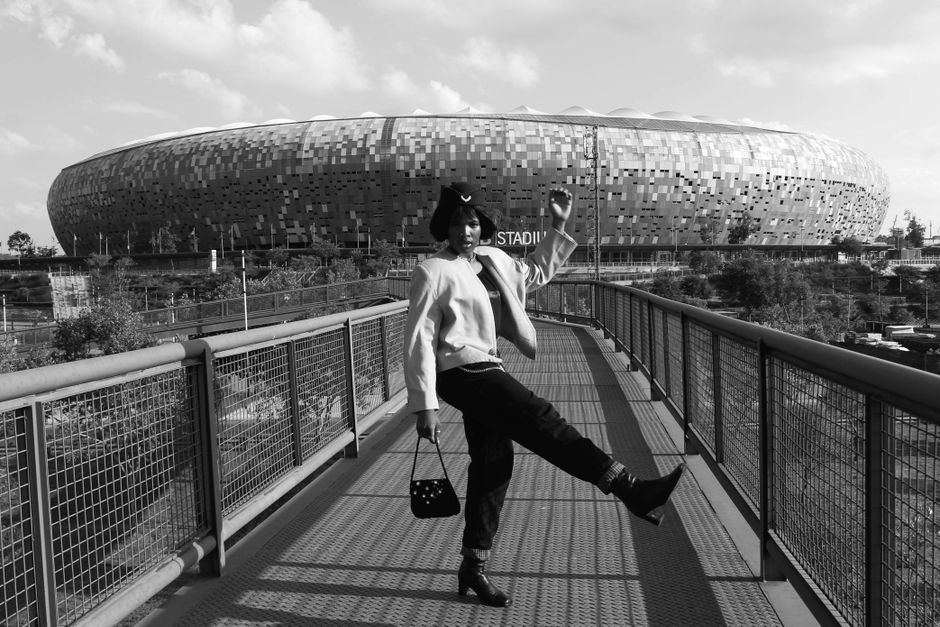
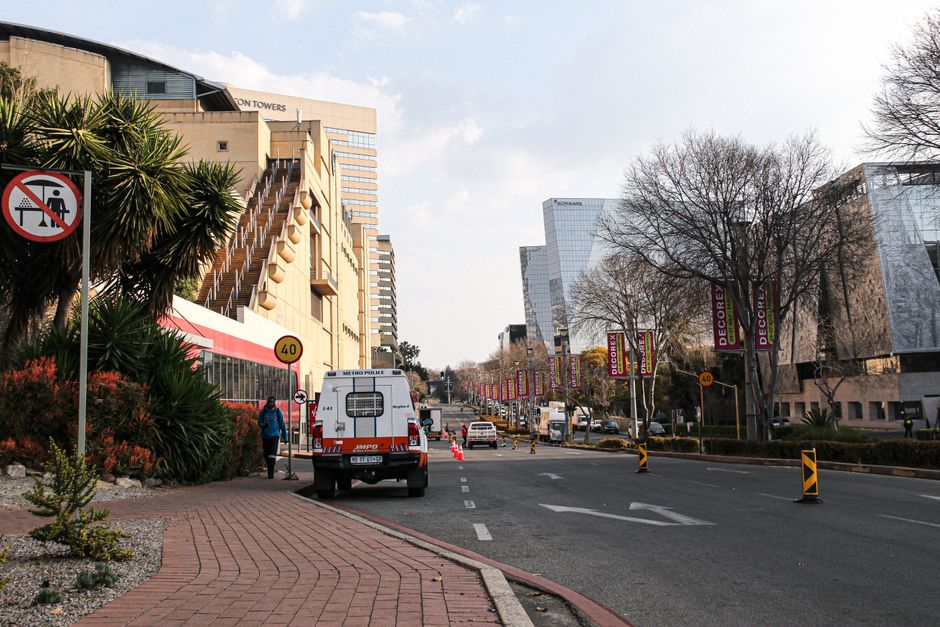
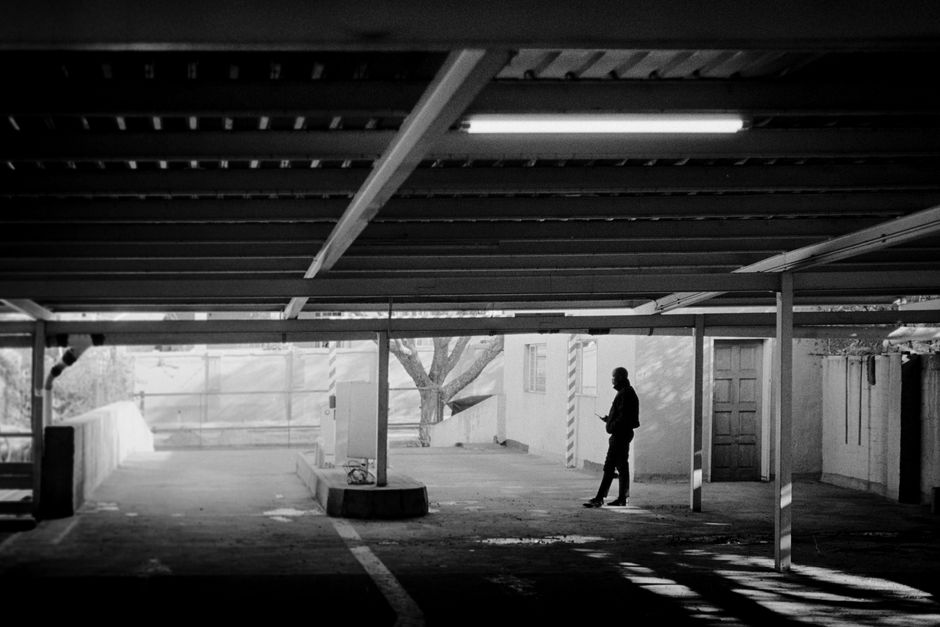
Walk through Maboneng on any given weekend in 2026 and you'll encounter the familiar sight of creative Johannesburg in flux: street vendors selling art prints, galleries spilling onto pavements, impromptu performances in Pioneer Park. But this year, something has shifted. The city's festival and events calendar—traditionally fragmented and sporadic—has crystallised into something resembling a coherent cultural identity.
The numbers tell the story. According to data from Joburg Tourism and the Johannesburg Development Agency, the city is hosting 47 major cultural festivals and recurring events in 2026, up from 31 in 2024. Revenue generated through cultural tourism has climbed to an estimated R2.3 billion annually, with festivals accounting for roughly 40 percent of that figure. These aren't vanity metrics: they reflect a city deliberately choosing to define itself through creativity rather than default.
The calendar's architecture reveals Johannesburg's expanding cultural ambition. January through March brings the Design Indaba Experiences across multiple precincts; Newtown's Theatre of the Oppressed festival runs concurrent programming in June; July sees the Johannesburg International Film Festival activate venues from the Jozi Hub in Braamfontein to the Apartheid Museum. August hosts the Standard Bank Young Artist Awards ceremony—a ceremony that has become unmissable for anyone tracking the country's artistic future. September's Carfest transforms Braamfontein into a vehicle-meets-culture collision, while October's Amoeba Music Festival brings electronic and indie acts to Musica in Melville.
What distinguishes this moment is intentionality. Rather than festivals happening *to* Johannesburg, they're now happening *as* Johannesburg—rooted in neighbourhood identity, reflecting the city's actual demographics and creative workforce. The Soweto Wine Festival, the Constitution Hill Literary Festival, the Hilbrow Mural Art Program: these events aren't imported templates. They're indigenous expressions of who the city is becoming.
Festival organisers report a tangible shift in sponsorship appetite. Corporate commitment to arts funding has increased by 28 percent since 2024, with financial services firms and tech companies viewing cultural investment as essential to talent attraction and retention. Ticket prices remain accessible—most major festivals charge between R150 and R400 for entry—keeping these spaces genuinely public rather than exclusive.
The challenge now is sustainability. As Johannesburg's festival circuit matures, questions loom about artist compensation, permanent institutional support, and whether this creative momentum can weather economic volatility. But for now, the city's calendar reads like a manifesto: Johannesburg is not somewhere to pass through. It's somewhere to create in, witness in, and belong to.
This article was compiled by AI and screened before publishing. See our editorial standards.