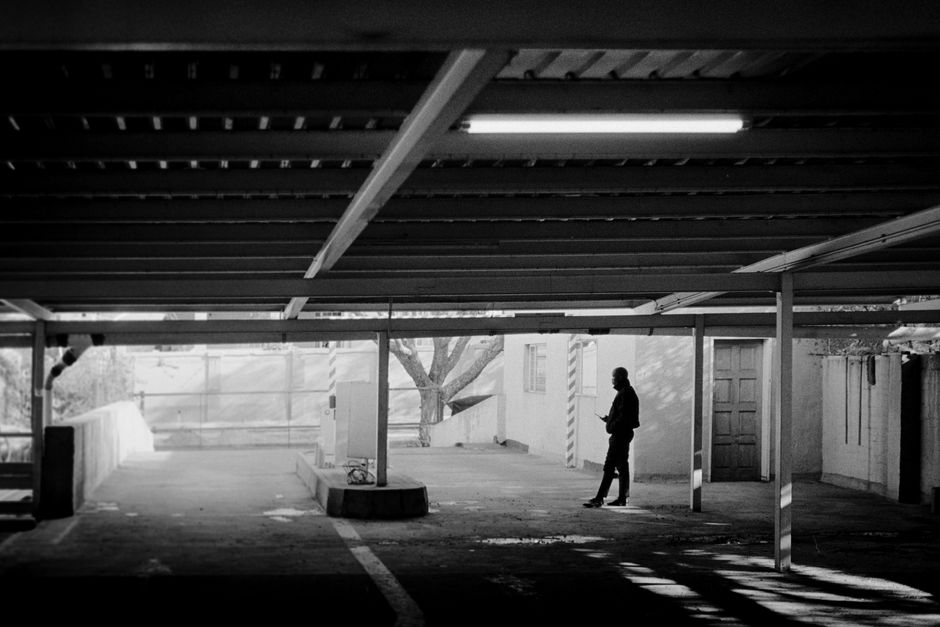
Walk down Fox Street in the Maboneng Precinct today and you'll find gallery-hopping tourists, craft breweries, and street art installations that command international attention. Yet thirty years ago, this corridor was largely abandoned, a cautionary tale of urban decay. The evolution tells a deeper story about how Johannesburg rebuilt its cultural identity after apartheid, neighbourhood by neighbourhood.
The transformation began tentatively in the late 1990s when artists and entrepreneurs, priced out of established cultural hubs, discovered cheap studio space in Johannesburg's inner city. Maboneng—meaning "place of light" in Sotho—became ground zero. What started as informal gallery openings in converted warehouses by 2010 had crystallized into an organized creative district. Today, the precinct attracts over 100,000 visitors monthly, with property values in the area increasing by an estimated 15-20% annually since 2015.
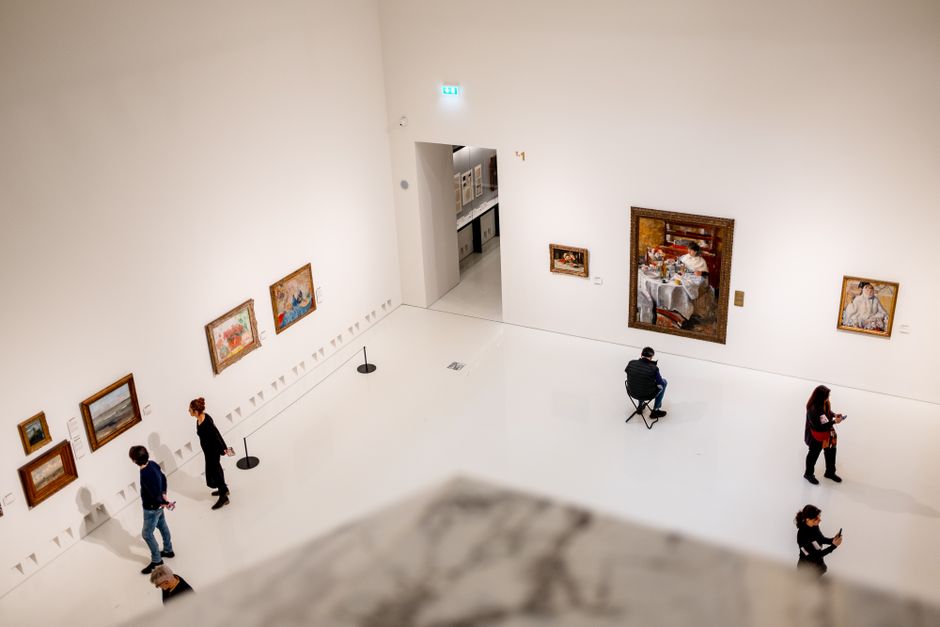
But the story extends beyond Maboneng. Braamfontein emerged as a university-adjacent creative neighbourhood, anchored by the Wits University campus and venues like the Joburg Theatre. Norwood developed a quieter, design-focused identity with independent bookstores and boutique studios. Each neighbourhood reflected different artistic impulses—street culture in Maboneng, theatrical arts in Braamfontein, curatorial sophistication in Norwood.
The Apartheid Museum, established in 2002 on SOption Street in Nasrec, became a pivot point for how the city addressed its fractured past through culture. Entry fees of R180 for adults helped fund community engagement programmes, positioning heritage preservation as central to contemporary cultural identity.
Music and design followed parallel trajectories. Johannesburg's jazz heritage, rooted in township culture and venues like The Bassline in Melville, remained alive even as new electronic music scenes sprouted in Braamfontein clubs. Fashion weeks began showcasing local designers alongside international labels, with events like the annual South African Fashion Week drawing industry figures globally.
Yet this growth hasn't been without tension. Rapid gentrification has displaced long-term residents and small traders. Rental increases of 8-12% annually in desirable cultural pockets have forced some smaller galleries and venues to relocate. The question facing Johannesburg's cultural institutions now is whether heritage and evolution can coexist—whether the city can celebrate its creative renaissance while protecting the communities whose histories made it possible.
As the city heads into 2027, stakeholders are asking: How do we anchor cultural identity in place when place itself keeps changing?
This article was compiled by AI from the sources linked above and screened before publishing. See our editorial standards.