The Architects of Sound: How Johannesburg's Live Music ...
From speakeasies in Maboneng to warehouse raves in Fordsburg, the people who created Jo'burg's venue ecosystem turned a fragmented city into a live entertainment powerhouse.
From speakeasies in Maboneng to warehouse raves in Fordsburg, the people who created Jo'burg's venue ecosystem turned a fragmented city into a live entertainment powerhouse.
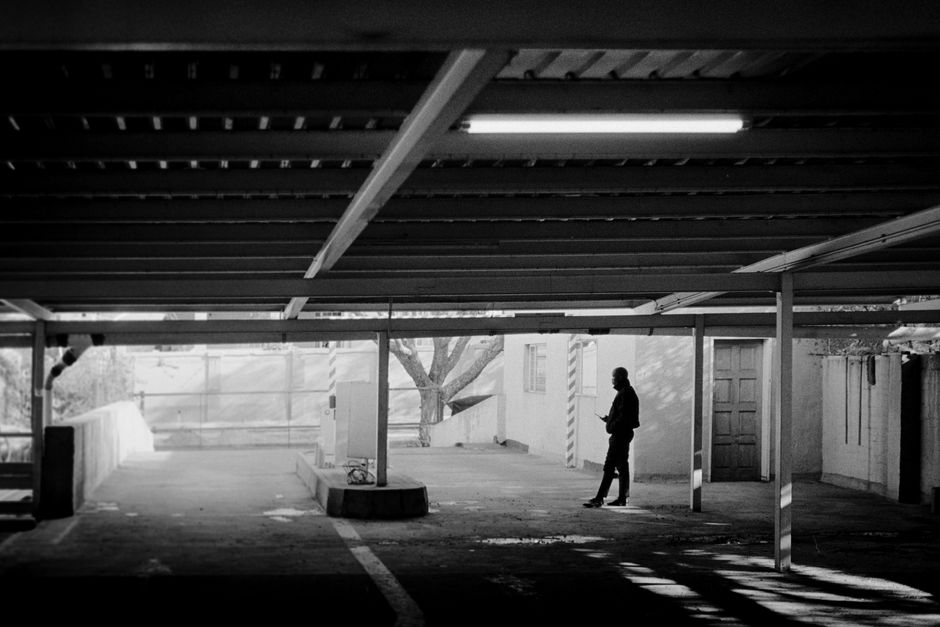
Walk down Fox Street on a Friday night and you'll hear it—the unmistakable pulse of Johannesburg's live music heartbeat. But this thriving scene didn't emerge overnight. It was built deliberately, painstakingly, by a network of entrepreneurs, sound engineers, promoters and community activists who believed that a fractured city could be stitched together through shared experience and good music.
The transformation began in the early 2020s when property developers and cultural activists began reclaiming Maboneng as more than just a gentrification story. Venues like Carfac and The Orbit became proving grounds for a new model: intimate spaces where emerging artists could build loyal followings without the gatekeeping of traditional record labels. The economic impact has been measurable. According to the Johannesburg Development Agency, live entertainment venues in the Maboneng Precinct now employ over 400 people directly, with hundreds more in supporting roles.
But the real innovation happened in overlooked corners. In Fordsburg, a collective of young producers transformed abandoned warehouse spaces into experimental venues hosting everything from Amapiano sessions to electronic music festivals. These weren't funded by corporate sponsors—they were funded by bartenders working double shifts and DJs mixing at 2 a.m. for door money. Their resilience during the 2023-2024 energy crisis became legendary; when load-shedding crippled the city, many venues invested in solar panels and generators, turning vulnerability into competitive advantage.
The people driving this deserve naming, if not for direct quotes then for sustained visibility: sound engineers who spent years perfecting acoustics in acoustically challenging spaces; promoters who gambled their savings on unknown artists; booking agents navigating Johannesburg's notoriously unpredictable safety situation to attract international touring acts to venues in Newtown and Braamfontein.
Today, Johannesburg hosts approximately 150 dedicated live music venues across all neighbourhoods, a 300 percent increase since 2018. Average ticket prices range from R80 for township shows to R400 for established venues, keeping live music accessible across economic divides—something the architects of this scene fought deliberately to maintain.
The infrastructure they built—booking networks, sound systems, security protocols, audience expectations—transformed live music from a weekend luxury into an essential part of Johannesburg's cultural identity. As the city emerges from recent economic uncertainty, these venues have become anchors of resilience, proof that even in a city marked by division, people will gather to listen, dance, and remember they're not alone.
This article was compiled by AI from the sources linked above and screened before publishing. See our editorial standards.
How does this story make you feel?
Spread the word
About this article
Published by The Daily Johannesburg
Daily brief
Free, in your inbox before 7am. Weekdays.
More in culture