Your Essential Guide to Johannesburg's Gallery and ...
From the Apartheid Museum to cutting-edge contemporary spaces in Maboneng, here's how to navigate Africa's most dynamic art city.
From the Apartheid Museum to cutting-edge contemporary spaces in Maboneng, here's how to navigate Africa's most dynamic art city.
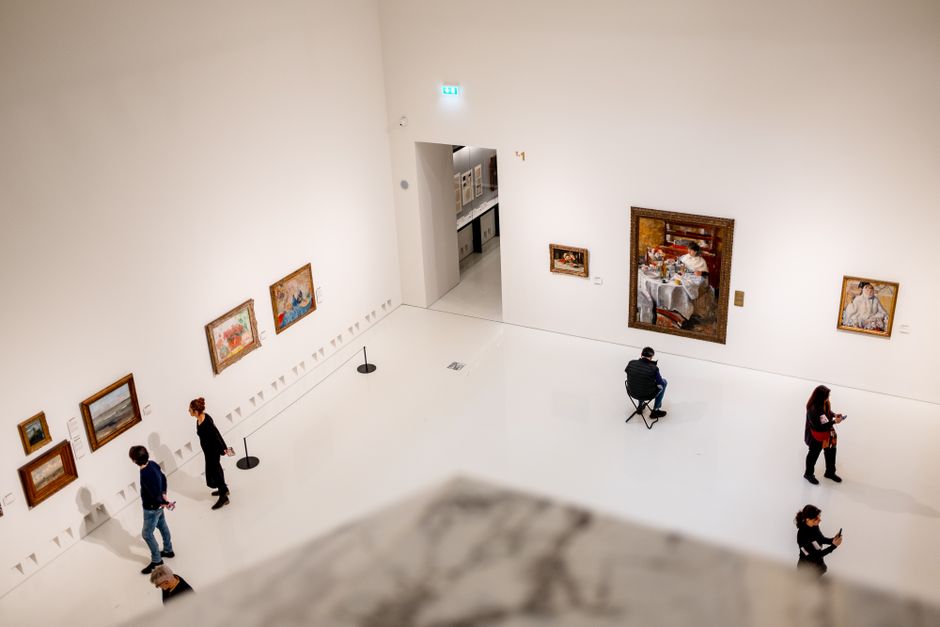
Johannesburg's arts scene has undergone a remarkable transformation over the past decade, establishing itself as a serious continental hub for visual culture. Whether you're a first-time visitor or returning art enthusiast, understanding the city's gallery landscape requires knowing both its heavyweight institutions and its scrappy, innovative neighbourhood spaces that define the city's character.
Start with the non-negotiables. The Apartheid Museum in Maropeng remains essential viewing, though plan at least four hours and arrive early—it draws roughly 200,000 visitors annually. Entry costs R160 for adults. Equally significant is the Soweto Theatre and its adjacent galleries, which anchor cultural programming in the township that shaped the nation's political consciousness.
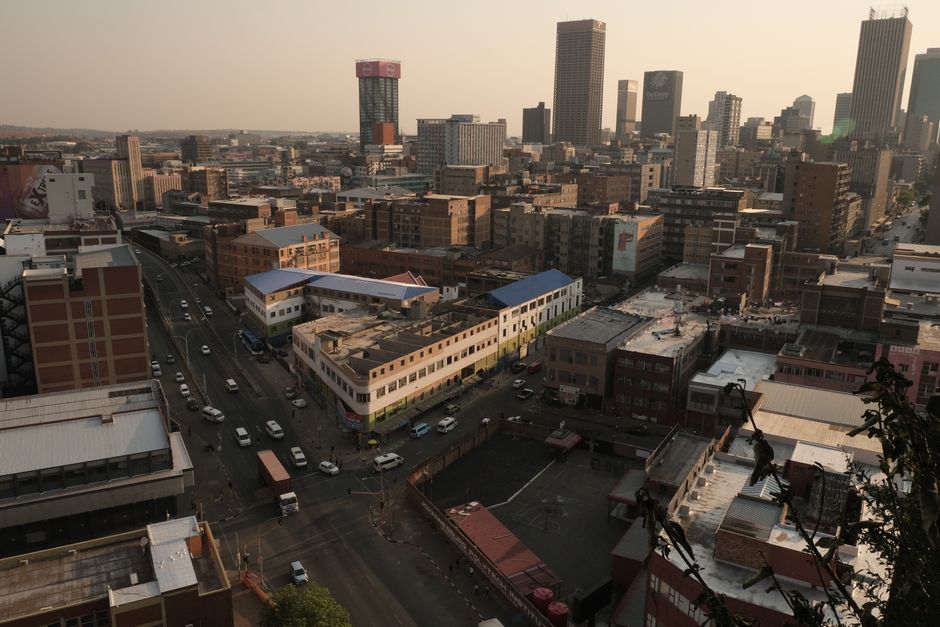
For contemporary work, the epicentre has shifted decisively towards Maboneng, the revitalised precinct in the inner city. Here you'll find the Goodman Gallery's sprawling warehouse space on President Street, showcasing South African and international contemporary artists in exhibitions that rotate quarterly. The Kerrie Roberts Gallery and Blank Canvas Project occupy the same precinct, making it possible to visit three serious contemporary spaces in a single afternoon walk. Many galleries here offer free entry, though donations support emerging artists.
The Johannesburg Art Gallery on Joubert Park remains an institutional anchor, housing over 10,000 artworks spanning African, contemporary, and historical collections. Recent renovations have improved visitor flow, though the surrounding area requires sensible street awareness. Entry is R80.
Beyond downtown, visit Norwood's cluster of boutique galleries—spaces like Circa Gallery and Everard Read showcase design-forward contemporary work in a neighbourhood with excellent coffee culture to match. Parkwood has emerged as another emerging hub, with several artist collectives occupying converted industrial spaces.
A crucial local insight: many Johannesburg galleries operate by appointment or have irregular hours, particularly smaller independent spaces. Check websites and call ahead. The city's arts calendar peaks during June's Standard Bank National Arts Festival programming, though summer (December-January) typically sees gallery closures as artists take leave.
Budget R300-400 for a modest day of gallery-hopping, including museum entry and transport. The City Sightseeing hop-on-hop-off bus includes several gallery stops and costs R200 for a day pass. Most galleries cluster within the CBD, Maboneng, and established northern suburbs, making neighbourhoods accessible by ride-sharing apps rather than public transport.
Johannesburg rewards cultural curiosity with world-class exhibitions at a fraction of international prices. The scene punches well above its weight—come prepared for sophistication and grit in equal measure.
This article was compiled by AI from the sources linked above and screened before publishing. See our editorial standards.
How does this story make you feel?
Spread the word
About this article
Published by The Daily Johannesburg
Daily brief
Free, in your inbox before 7am. Weekdays.
More in culture