Johannesburg Street Art: How Activism is Reshaping Braamfontein
Discover how grassroots collectives are transforming Johannesburg's inner-city neighbourhoods through street art activism and community-led murals in Braamfontein.
Discover how grassroots collectives are transforming Johannesburg's inner-city neighbourhoods through street art activism and community-led murals in Braamfontein.
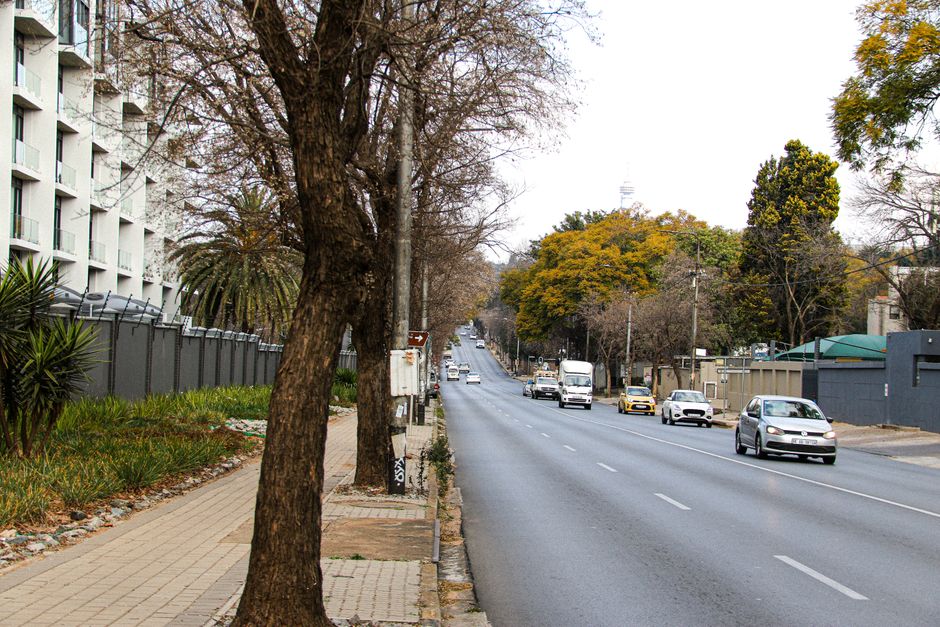
Walk down Kotze Street in Braamfontein on any given Saturday and you'll encounter a landscape that would have seemed impossible a decade ago. What was once a thoroughfare marked by decay and abandonment now pulses with colour—murals stretching three storeys high, stencilled political statements layered over decades-old graffiti, and impromptu gallery installations that blur the line between art and activism.
This transformation isn't accidental. It's the result of sustained, grassroots organising by collectives like Graffiti South Africa and neighbourhood associations that have fundamentally shifted how the city views street art. Rather than treating murals as vandalism, these movements have positioned them as essential tools for community reclamation and economic revitalisation.
"We're not just painting walls," explains the philosophy underlying many of these initiatives. "We're creating spaces where young people can build skills, where communities can express their narratives, and where property values increase because neighbourhoods feel alive again." The numbers bear this out: areas like Maboneng, once written off as dangerous, have seen foot traffic increase by an estimated 60% over five years, with new galleries, restaurants, and design studios now anchoring the district.
The movement extends beyond Braamfontein. In Newtown, the Arts on Main precinct has become a focal point where established and emerging muralists collaborate with local youth through formal apprenticeship programmes. Participating artists report earning between R800 and R2,500 per day on commissioned work—income that has provided alternatives to informal economy participation for hundreds of young creatives across the inner city.
What distinguishes this moment is the political consciousness embedded within it. Street art here isn't purely aesthetic; it's become a vehicle for addressing housing inequality, xenophobic violence, and service delivery failures. The 2024 wave of inner-city activism saw walls become testimonies, with murals documenting everything from the Venezuelan migrant crisis to the ongoing electricity crisis.
Importantly, this movement has forced institutional recognition. The City of Johannesburg's Culture and Heritage department now funds mural projects through its Creative Districts Initiative, allocating approximately R2.4 million annually to community-led public art programmes. It's a modest investment, but it signals a fundamental shift: street art is no longer something to be policed but something to be supported and resourced.
As Johannesburg navigates its identity as a global creative hub, these community-driven creative districts represent something increasingly rare—a cultural shift that hasn't been imposed from above, but rather built from the ground up by people who believe art is inseparable from justice.
This article was compiled by AI from the sources linked above and screened before publishing. See our editorial standards.
How does this story make you feel?
Spread the word
About this article
Published by The Daily Johannesburg
Daily brief
Free, in your inbox before 7am. Weekdays.
More in culture