Fashion Design Johannesburg: Maboneng's Creative Rise
Discover how Johannesburg's fashion designers in Braamfontein and Maboneng are building Africa's independent fashion hub, with 43% growth since 2020.
Discover how Johannesburg's fashion designers in Braamfontein and Maboneng are building Africa's independent fashion hub, with 43% growth since 2020.
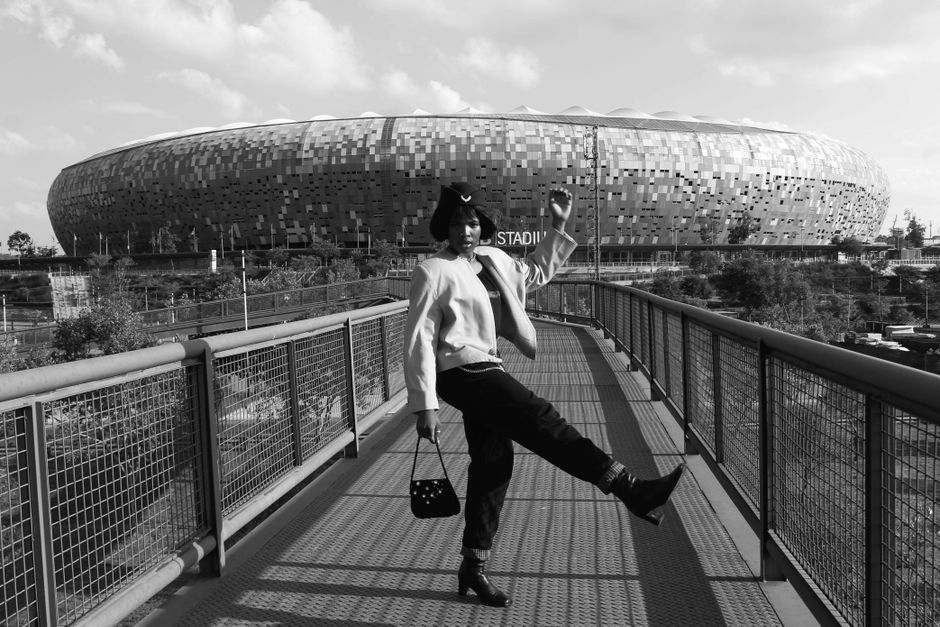
Walk through the Design District along Fox Street in Maboneng on a Friday afternoon and you'll witness something quietly revolutionary: Johannesburg is dressing itself in its own story. The fashion design sector, once overshadowed by Cape Town's coastal cool, has emerged as the primary vehicle through which this city is articulating its identity—raw, multicultural, unapologetically urban.
The numbers tell part of the story. Since 2020, independent fashion labels in Johannesburg have grown by approximately 43%, according to the Johannesburg Development Agency's creative industries report. Studios cluster in Braamfontein's converted warehouses, where rent averages R8,500-R12,000 monthly, attracting designers who might otherwise relocate. This isn't accident; it's infrastructure meeting intent.
What makes Johannesburg's fashion moment distinct is its refusal of singular aesthetics. Unlike established fashion capitals, this city's designers draw from mining heritage, township ingenuity, and Pan-African diaspora all at once. The success of local brands at events like the annual Joburg Fashion Week—relocated permanently to Kyalami in 2024—demonstrates that international buyers are recognizing something authentic here. Attendance jumped 34% year-on-year, with over 8,000 industry professionals attending last September's iteration.
The ecosystem extends beyond runway shows. The Precinct in Braamfontein houses 47 design studios and creative businesses under one roof, functioning as both workspace and cultural institution. Walk-in galleries showcase emerging work; design schools like Vega have reported a 28% surge in local applications. Young designers aren't leaving; they're staying, investing in infrastructure that reflects their vision of what Johannesburg could become.
Retail follows design. Streets like Claim Street in Maboneng now feature independent boutiques—spaces like Skye and Zahara, which stock exclusively local designers—where a entry-level garment costs between R450-R1,200. This price point represents something crucial: fashion here is being positioned not as luxury escape, but as accessible cultural expression. A dress becomes a statement about belonging.
Yet the significance runs deeper than commerce. Fashion design offers Johannesburg something its economic and political narratives often lack: controlled self-representation. Museums can curate history; fashion designers curate present identity, daily, wearable, visible. Each collection tells stories about labor, beauty standards, and aspiration that resonate through the city's streets.
As global attention fragments across multiple creative capitals, Johannesburg's fashion sector represents a city consciously building its own narrative—not waiting for external validation, but creating spaces where identity, commerce, and culture converge. That's the real fashion statement.
This article was compiled by AI from the sources linked above and screened before publishing. See our editorial standards.
How does this story make you feel?
Spread the word
About this article
Published by The Daily Johannesburg
Daily brief
Free, in your inbox before 7am. Weekdays.
More in culture