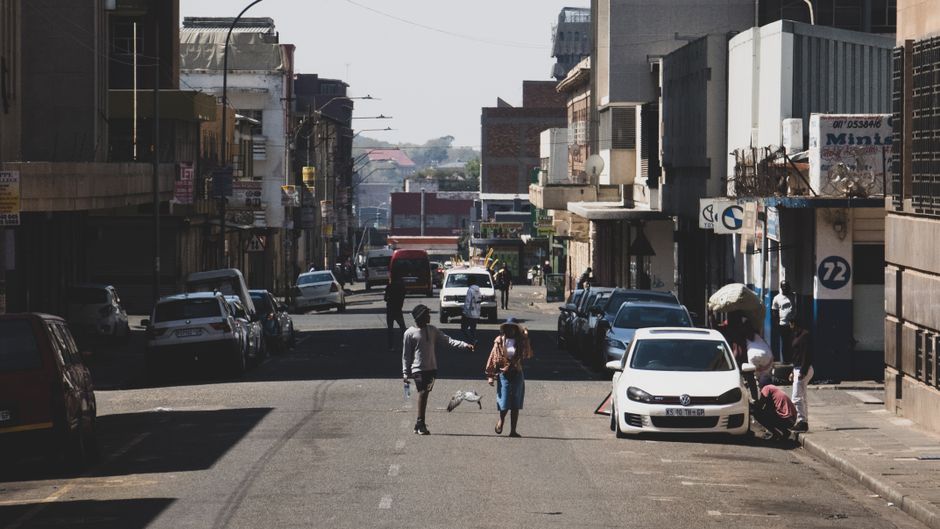
Best Suburbs to Live in Johannesburg 2026
Discover safe, affordable neighbourhoods in Johannesburg. Compare Sandton, Bryanston and emerging areas with 2026 rental costs and lifestyle guides.
Discover safe, affordable neighbourhoods in Johannesburg. Compare Sandton, Bryanston and emerging areas with 2026 rental costs and lifestyle guides.
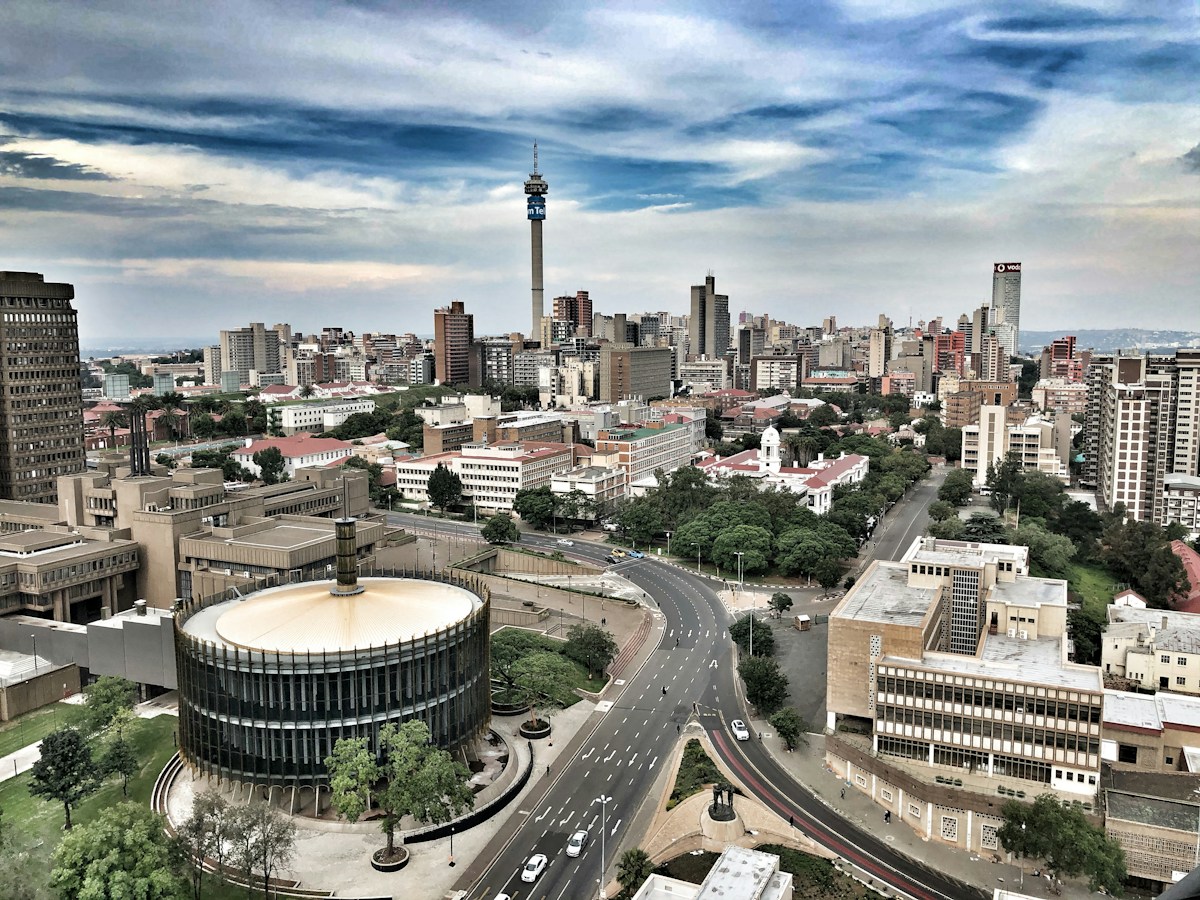
Johannesburg is a city of contrasts: gleaming corporate towers, sprawling suburban estates, buzzing cultural precincts and, yes, neighbourhoods best avoided after dark. Choosing where to live here is one of the most consequential decisions a newcomer (or a long-time resident weighing a move) will make. This guide, current as at early 2026, breaks down the suburbs worth shortlisting, the costs you can expect, and the areas you may want to steer clear of.
As at early 2026, citywide averages sit at roughly R9,500 per month (about $530 USD) for a one-bedroom apartment and R13,000 per month (about $720 USD) for two bedrooms. That range widens considerably once you factor in location: a one-bedroom can cost as little as R7,500 in more affordable nodes or climb past R14,000 in premium precincts like Sandton and Melrose Arch. Rent growth across the city is projected at 4 to 6 per cent annually, with sought-after nodes such as Sandton tracking closer to 6 to 8 per cent.
Often called the corporate capital of South Africa, Sandton is home to the Johannesburg Stock Exchange, the headquarters of major banks and a skyline punctuated by sleek high-rises. Luxury apartments here come with rooftop pools, concierge services and 24-hour security. Expect to pay between R10,000 and R13,000 per month for a one-bedroom unit, placing it firmly at the top end of the Joburg rental market. The trade-off is traffic: rush-hour congestion on the M1 and Grayston Drive corridor is legendary.
Walkable in a way few Johannesburg suburbs can claim, Rosebank has reinvented itself over the past decade into a precinct of modern apartment buildings, pavement restaurants, art galleries and boutique retail. Gautrain access makes it a practical base for professionals who commute to Sandton, Pretoria or OR Tambo International Airport. Rental prices sit just below Sandton, and the area continues to attract new mixed-use developments.
Melrose Arch is essentially a self-contained, secure urban village: residential, retail and office space wrapped inside a single, access-controlled precinct. Living here feels like inhabiting a walkable "bubble" where you can stroll to dinner, pick up groceries and walk home without ever needing a car. That premium lifestyle commands premium rents, typically at or above Sandton levels, but residents frequently cite the convenience and peace of mind as worth the cost.
Families with children consistently gravitate toward Bryanston, and the reasons are straightforward: large homes set on generous plots, well-established secure estates, mature gardens and proximity to some of Gauteng's top private and public schools (Bryanston High, Brescia House, St Stithians nearby). The suburb is a short drive from Sandton's commercial district, making it popular with executives who want space without a punishing commute. Rental prices for family-sized homes vary widely depending on the estate, but the area generally commands a premium over the citywide average.
These neighbouring suburbs, anchored by Parkhurst's famous Fourth Avenue strip, are the heart of Johannesburg's cafe and boutique restaurant culture. Tree-lined streets, Saturday morning markets and a lively evening dining scene attract young professionals, creatives and couples. Greenside, slightly more affordable, offers a similar vibe with a growing number of independent eateries and bars along Gleneagles Road. Both suburbs benefit from active neighbourhood watches and community policing forums.
Not everyone needs (or wants) a Sandton address. Several suburbs deliver solid value at rents roughly 30 per cent below the premium nodes:
Johannesburg's crime statistics are not evenly distributed. Hillbrow, Berea and Yeoville remain among the city's highest-crime neighbourhoods, with elevated rates of robbery, assault and property crime. While urban renewal advocates point to pockets of improvement, these areas are generally not recommended for newcomers or families. Prospective residents should consult the most recent South African Police Service crime statistics and speak to local estate agents before committing to any lease in these zones.
The right suburb depends on your priorities. A quick framework:
Whichever suburb you choose, prioritise buildings and estates with established security infrastructure, and factor in the cost of medical aid (health insurance) and vehicle insurance, both of which are essential line items in any Johannesburg household budget.
This article was compiled by AI and screened before publishing. See our editorial standards.
How does this story make you feel?
Spread the word
About this article
Published by The Daily Johannesburg
Daily brief
Free, in your inbox before 7am. Weekdays.
More in lifestyle