Mindfulness in Johannesburg: How Local Stress Management Stacks Up Against Global Wellness Trends
While meditation apps boom worldwide, Joburg's wellness community is blending ancient practices with urban realities—but uptake remains fragmented.
While meditation apps boom worldwide, Joburg's wellness community is blending ancient practices with urban realities—but uptake remains fragmented.
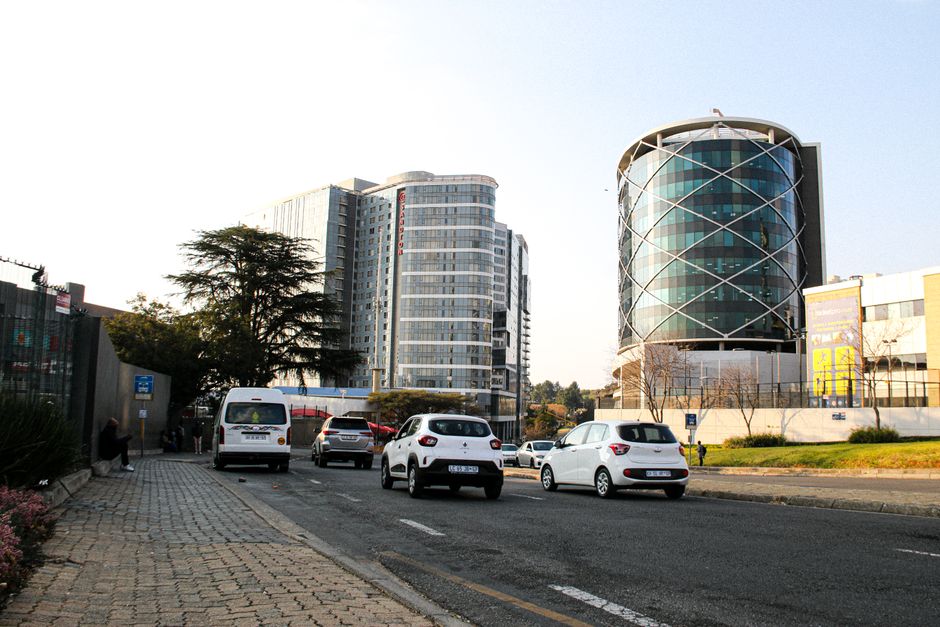
Walk through the Johannesburg Botanical Garden on a weekday morning and you'll spot them: small clusters of people sitting cross-legged on the grass, eyes closed, moving through guided meditation sessions. It's a scene replicated in wellness hubs from London to Los Angeles. Yet in Johannesburg, mindfulness adoption tells a more nuanced story—one where global trends meet local economic constraints and the unique pressures of living in Africa's most economically developed but often anxious city.
Globally, the mindfulness market has exploded. Apps like Calm and Headspace boast millions of subscribers, with the meditation sector valued at over $4.2 billion in 2025. South Africa is catching up. According to a 2024 Mental Health Foundation survey, 34% of urban South Africans report using some form of mindfulness practice—a notable jump from just 18% five years earlier. Yet Johannesburg's adoption rate sits at roughly 28%, slightly below the national average, suggesting that despite the city's corporate wellness culture and affluent northern suburbs, accessibility remains a challenge.
The contrast is stark depending on location. In areas like Sandton and Rosebank, corporate wellness programs have embraced meditation as standard employee benefit. Netcare hospitals and private health schemes routinely recommend mindfulness-based stress reduction (MBSR) programmes. Yet in townships and outlying areas, awareness remains lower, with cost ($120–$400 per eight-week MBSR course) prohibitive for many.
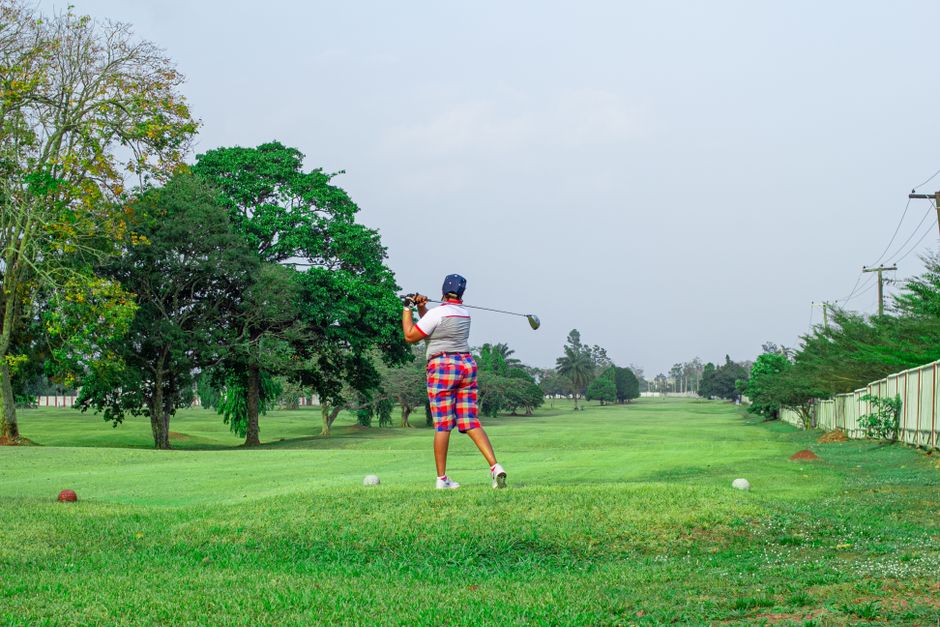
Johannesburg's Parkrun community—with over 8,000 weekly participants across 12 locations—offers a distinctly local counterpoint to passive meditation trends. Here, stress relief comes through movement and social connection, reflecting the city's outdoor lifestyle despite security concerns. This mirrors a global shift: research shows exercise-based mindfulness resonates equally well as sitting meditation, yet Joburg's unique context makes it perhaps more culturally embedded.
Yoga studios cluster around Observatory, Melville, and Braamfontein, where upmarket studios charge R180–R280 per class. Meanwhile, free community sessions at venues like Zoo Lake remain underutilised, suggesting marketing gaps rather than lack of interest. Some organisations like the Wits Mental Health Society are bridging this divide through subsidised programmes, though funding remains inconsistent.
The gap between global trend adoption and local uptake reflects deeper issues: inadequate mental health resources, cost barriers, and competing priorities in a city where economic stress and safety concerns create profound daily anxiety. While mindfulness won't solve structural issues, integrating it accessibly—through community spaces, subsidised training, and culturally relevant delivery—could narrow Johannesburg's gap with global wellness leaders.
This article was compiled by AI from the sources linked above and screened before publishing. See our editorial standards.
How does this story make you feel?
Spread the word
About this article
Published by The Daily Johannesburg
Daily brief
Free, in your inbox before 7am. Weekdays.
More in Wellness