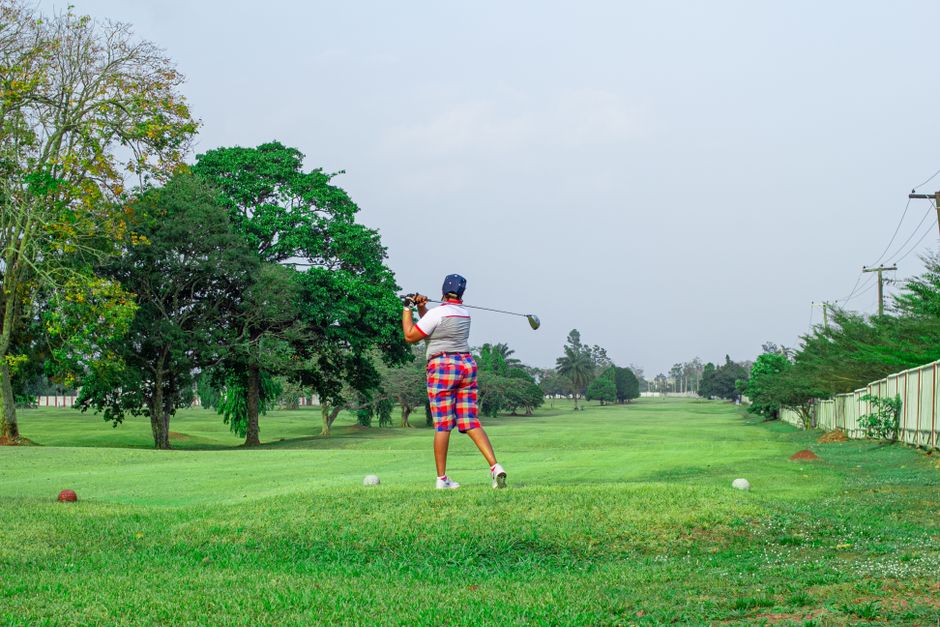
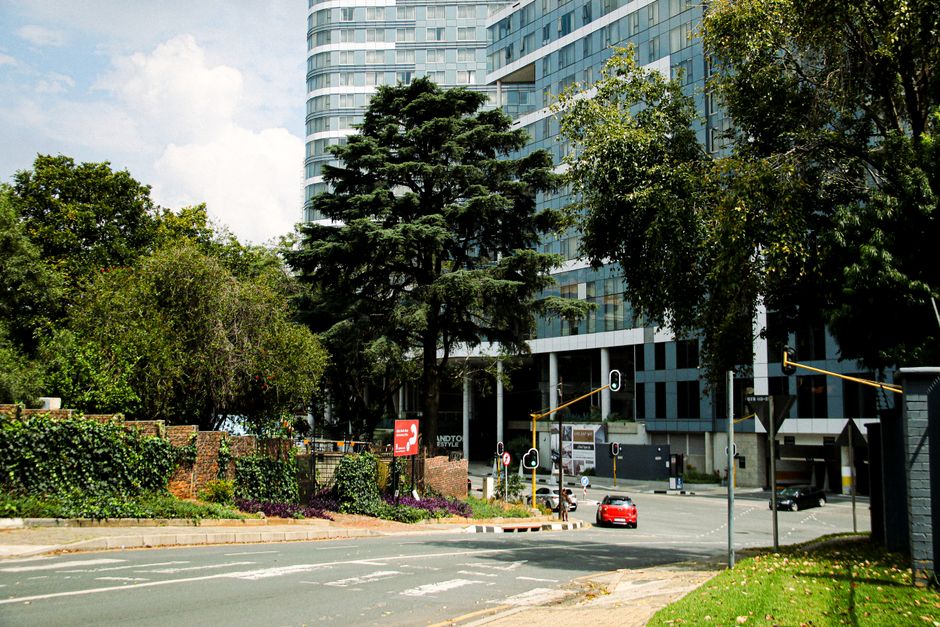
Global wellness reports from 2025 consistently rank outdoor running among the top fitness trends, alongside plant-based nutrition and mental health integration. Yet while coastal cities like Melbourne and Cape Town have long dominated international running narratives, Johannesburg is carving its own distinctive path—one that reflects both local constraints and genuine urban innovation.
The numbers tell part of the story. Parkrun, the global free weekly 5km phenomenon, now hosts nearly 3,000 participants across Johannesburg's venues every Saturday morning. Zoo Lake remains the epicentre, but satellite events in Bryanston, Emmarentia Dam, and the Johannesburg Botanical Garden in Rosettenville have decentralised participation in ways that mirror trends seen in London and Sydney. Yet local uptake still lags behind international adoption rates, suggesting untapped potential in our city's fitness infrastructure.
What sets Joburg's outdoor fitness culture apart is its resilience. Unlike wellness trends that fade with Instagram cycles, local runners have built sustainable communities despite genuine safety considerations. The Jane Goodall Institute Trail in Melville, the Bruma Lake circuit, and the newer Modderfontein Trail Network represent not just running routes but social infrastructure—places where commuters, age-groupers, and casual exercisers converge regardless of postcode.
Commercial gyms still dominate the local wellness market, with membership costs ranging from R400 to R1,500 monthly. Yet free and low-cost alternatives—Parkrun, organised trail groups, and open spaces like the Johannesburg Botanical Garden—are gaining traction in ways that align with global cost-of-living pressures. This democratisation of fitness reflects a broader worldwide shift toward accessible wellness.
The difference between Joburg and global wellness leaders like North America and Northern Europe isn't innovation capacity—it's visibility and investment. Our city boasts world-class facilities, including Netcare's sports medicine departments and university-affiliated physiology labs. Yet marketing budgets and tourism infrastructure remain modest compared to established running destinations.
What's encouraging is momentum. Local running clubs, from the Joburg Road Runners to trail-specific communities, have grown 40% over two years. The emergence of trail-specific events—ultra marathons, fell races in the Magaliesburg—mirrors global diversification away from road-focused culture.
Johannesburg's outdoor fitness story isn't about catching global trends. It's about building sustainable, locally rooted wellness culture that works for African cities: inclusive, resilient, and increasingly visible. The trails are there. The community is growing. The question isn't whether Joburg belongs in global wellness conversations—it's why it took so long for the world to notice.
This article was compiled by AI from the sources linked above and screened before publishing. See our editorial standards.