How boutique fitness studios are transforming Johannesburg's wellness culture
From Parktown to Sandton, a wave of specialist gyms and studios is reshaping how the city's professionals approach health and fitness.
From Parktown to Sandton, a wave of specialist gyms and studios is reshaping how the city's professionals approach health and fitness.
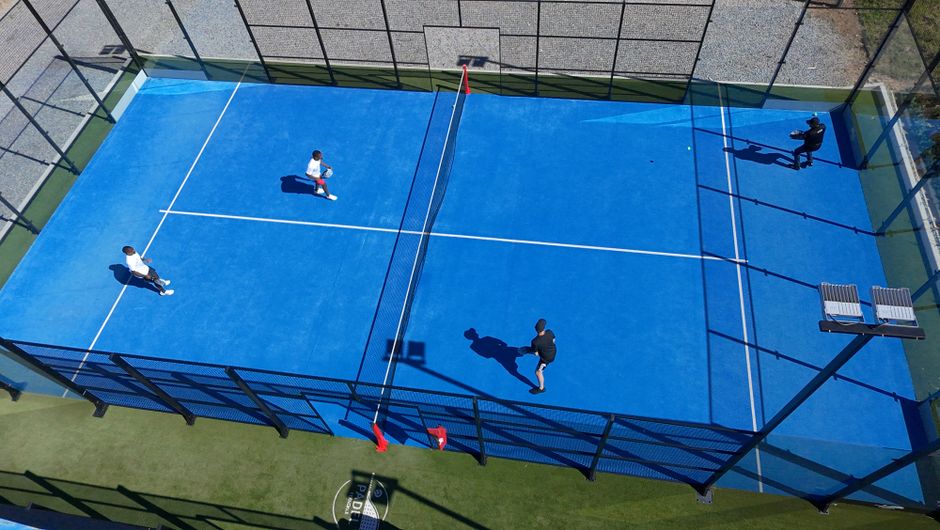
Walk down Jan Smuts Avenue on a Saturday morning, and you'll notice something unmistakable: Johannesburg is in the grip of a fitness revolution. Boutique studios—small, specialised spaces focused on everything from high-intensity interval training to yoga and pilates—are multiplying across the city's wealthier suburbs, reflecting a broader shift in how affluent South Africans approach wellness.
For years, traditional gyms dominated Joburg's fitness landscape. But over the past 18 months, the market has fractured into dozens of niche offerings. Studios in Parktown, Rosebank, and Sandton now command monthly memberships ranging from R400 to R1,200, targeting professionals squeezed for time and increasingly aware of the benefits of targeted, community-driven workouts. This mirrors global wellness trends that have reached local shores: the cult of specialisation over generalisation.
The reasons are compelling. Johannesburg's demanding corporate culture means many residents favour short, intense classes over lengthy gym sessions. The rise of boutique fitness taps directly into this: a 45-minute spin class or power yoga session fits neatly into a lunch break or early morning routine. Meanwhile, the social dimension—the sense of community built in smaller, intimate spaces—appeals to a city where security concerns often limit outdoor socialising.
Established fitness networks and Parkrun have long anchored Joburg's active community, particularly around Zoo Lake and the Johannesburg Botanical Gardens, where runners gather at dawn. But boutique studios extend this culture indoors, creating year-round alternatives during winter months and extreme heat—relevant concerns given recent summers in the Gauteng region.
The trend has also democratised fitness expertise. Where traditional gyms employ generalised trainers, boutique studios often feature specialists: former athletes, internationally certified instructors, and physiotherapists who understand joint health—a growing concern in the city's ageing professional demographic. This aligns with broader conversations around injury prevention and sustainable exercise practices.
Market analysts estimate that Johannesburg now hosts over 150 boutique fitness venues, up from fewer than 40 in 2020. While this growth remains concentrated in affluent areas—a reflection of the city's socioeconomic geography—some studios are experimenting with outreach programmes in surrounding communities.
The wellness trend, however, faces headwinds. Load-shedding has forced some studios to install generators, raising operating costs. Rising rents in premium neighbourhoods threaten smaller operators. Yet the momentum persists: Johannesburg's fitness culture is maturing, becoming more intentional and diversified.
For anyone considering joining, the advice is straightforward: trial classes are widely available, and most studios cluster geographically, allowing easy comparison. The real question isn't whether boutique fitness suits you—it's which niche does.
This article was compiled by AI and screened before publishing. See our editorial standards.
How does this story make you feel?
Spread the word
About this article
Published by The Daily Johannesburg
Daily brief
Free, in your inbox before 7am. Weekdays.
More in Wellness