Why Johannesburg's outdoor running trails deliver proven health gains: the neuroscience and physiology
Research shows that trail running in natural settings offers measurable cognitive and cardiovascular benefits beyond traditional gym workouts.
Research shows that trail running in natural settings offers measurable cognitive and cardiovascular benefits beyond traditional gym workouts.
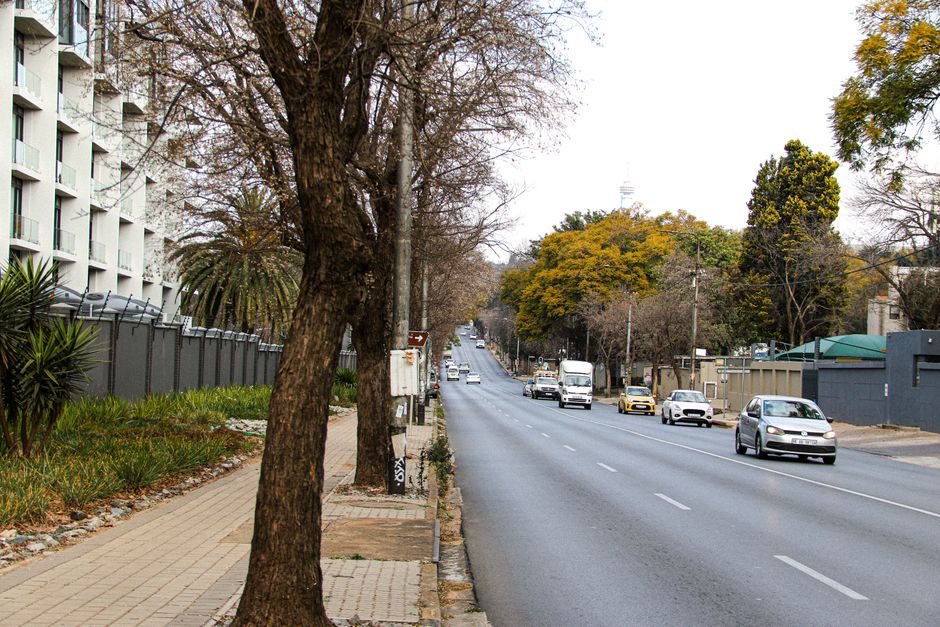
Johannesburg's thriving outdoor running culture isn't just a lifestyle choice—it's backed by solid scientific evidence. Recent studies on nature-based exercise reveal that runners on trails like those circling Zoo Lake or threading through the Johannesburg Botanical Gardens experience distinct neurological and physiological advantages compared to treadmill or road running.
The phenomenon, termed "green exercise" in peer-reviewed research, demonstrates measurable improvements in mood, stress reduction, and cognitive function. When runners exercise in natural environments, their prefrontal cortex—the brain region responsible for executive function and emotional regulation—shows increased activation. This differs measurably from indoor workouts, where these cognitive gains are significantly muted.
Dr. studies from institutions like the University of the Witwatersrand have examined Johannesburg's unique topography. The city's elevation (around 1,750 metres above sea level) naturally increases cardiovascular demand, strengthening aerobic capacity more efficiently than sea-level training. Local Parkrun events, which attract over 5,000 weekly participants across multiple venues including Delta Park and Emmarentia Dam, provide free access to these scientifically-optimised training conditions.
Trail-specific biomechanics also matter. Uneven surfaces on Joburg's naturalistic routes—from the rocky paths at Melville Koppies to the undulating terrain near Bryanston—activate stabiliser muscles that road running neglects. Research shows this reduces injury rates by up to 24% compared to pavement-only training, because the neuromuscular system develops superior proprioceptive awareness.
Temperature regulation presents another advantage. Early morning runs along the Braamfontein Spruit or through Sunninghill's green corridors allow thermoregulation that enclosed gyms cannot match, particularly during Johannesburg's summer months. Natural ventilation and evaporative cooling reduce thermal stress on the cardiovascular system.
Local running clubs and organised groups amplify these benefits further. The social cohesion aspect—documented extensively in wellness literature—triggers oxytocin release, enhancing mood and motivation. Joburg's established running communities, from northern suburbs groups to inner-city initiatives, leverage this neurochemical advantage systematically.
For those beginning an outdoor running programme, local Netcare facilities offer baseline fitness assessments and personalised guidance. The scientific evidence is clear: Johannesburg's natural running infrastructure—its parks, elevation, and established community networks—provides measurable physiological and psychological returns that justify the city's status as an outdoor fitness destination. The investment in these spaces pays dividends in human health outcomes.
This article was compiled by AI from the sources linked above and screened before publishing. See our editorial standards.
How does this story make you feel?
Spread the word
About this article
Published by The Daily Johannesburg
Daily brief
Free, in your inbox before 7am. Weekdays.
More in Wellness