From Sandton to Soweto: How the Nutrition Revolution Is Reshaping Johannesburg's Food Culture
Local food entrepreneurs, wellness coaches and health-conscious diners are transforming how Joburg eats—and it's spreading far beyond the northern suburbs.
Local food entrepreneurs, wellness coaches and health-conscious diners are transforming how Joburg eats—and it's spreading far beyond the northern suburbs.
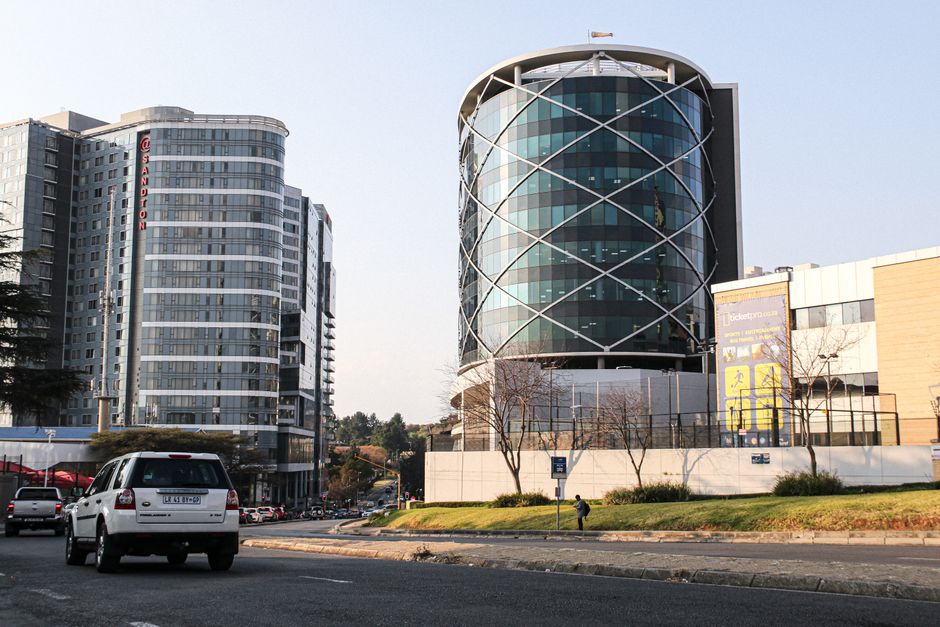
Walk through the Bryanston Organic Market on a Saturday morning, and you'll witness a quiet revolution. Vendors selling heritage grains, cold-pressed juices and locally-sourced proteins draw crowds that would have seemed niche just five years ago. But what's happening in Johannesburg's wellness spaces today suggests that nutritional awareness has become mainstream across the city's diverse communities.
The shift is unmistakable. Nutrition coaching clinics have opened in Parkhurst and Melville, while meal-prep services operating from kitchens in Illovo now deliver macro-balanced boxes to offices in the Sandton CBD. Meanwhile, informal settlements and township communities are experiencing their own food revolution, with NGOs and social enterprises promoting vegetable gardens and affordable plant-based nutrition in areas like Orange Farm and Soweto.
"We're seeing people understand that food is medicine," says the wellness sector locally. What was once perceived as elitist—organic, gluten-free, nutrient-dense eating—is increasingly democratised through community gardens, municipal farmers' markets, and affordable nutrition education programmes run by organisations like Netcare's wellness divisions.
The numbers tell the story. Online grocery platforms operating in Johannesburg report a 34% year-on-year increase in purchases of whole foods and plant-based alternatives. Local restaurants from the Precinct in Bedfordview to spots along Seventh Street in Parktown have added substantial nutritional information to menus. Even traditional Johannesburg institutions—think the Zoo Lake running community and Parkrun regulars—are openly discussing fuelling strategies and post-exercise nutrition with the same dedication they bring to their training schedules.
Price remains a barrier, though the landscape is shifting. A week's worth of nutritious whole foods costs roughly R800–1,200 for a family, depending on where you shop. Community-supported agriculture schemes operating from Organic Market stalls and township cooperatives offer alternatives to supermarket pricing. The Johannesburg City Council's urban agriculture initiatives have allocated spaces for food production across municipal land, particularly in under-resourced areas.
What makes this trend distinctly Johannesburg is its diversity. The city's multicultural makeup means nutrition conversations span traditional African grains, Indian Ayurvedic principles, Mediterranean diets, and contemporary wellness science—all coexisting in neighbourhoods like Yeoville and Fordsburg.
As this wellness trend takes deeper root across the city's geography and income levels, one thing becomes clear: Johannesburg's relationship with food is changing. It's no longer just about convenience or tradition—it's about conscious choice, accessibility, and recognising that nutritional wellbeing matters to every corner of the city.
This article was compiled by AI from the sources linked above and screened before publishing. See our editorial standards.
How does this story make you feel?
Spread the word
About this article
Published by The Daily Johannesburg
Daily brief
Free, in your inbox before 7am. Weekdays.
More in Wellness