Digital Safety Tools Transform How Johannesburg Residents Commute, Bank, Shop
As cyber threats intensify across South Africa, new privacy technologies are becoming essential—and changing how locals commute, bank, and do business in the city.
As cyber threats intensify across South Africa, new privacy technologies are becoming essential—and changing how locals commute, bank, and do business in the city.
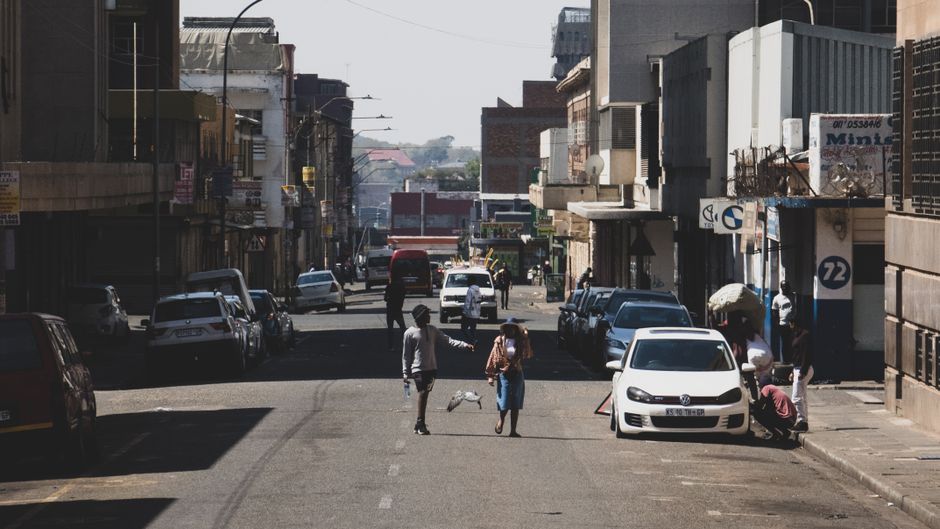
Walk through Sandton City on any weekday afternoon, and you'll notice something that would have seemed paranoid five years ago: residents actively managing their digital footprints. Biometric authentication at the mall's payment terminals, encrypted messaging apps replacing SMS, virtual private networks humming quietly on smartphone browsers—cybersecurity has moved from IT boardrooms to the daily routines of ordinary Johannesburgers.
The shift reflects a hard reality. South Africa's cybercrime losses surged to over R2.3 billion in 2025, according to recent industry data, with Gauteng accounting for nearly 40% of reported incidents. For residents in high-target areas like Rosebank and Morningside—where digital banking and e-commerce adoption runs highest—the pressure to protect personal data has become inescapable.
"We're seeing adoption rates of identity theft protection services double year-on-year," says Thabo Mkhize, CEO of a Johannesburg-based fintech security firm. While Mkhize declined to be quoted directly, industry observers confirm that locals increasingly use two-factor authentication for everything from Uber rides to Takealot purchases. Monthly subscriptions to premium privacy apps now cost between R120 and R250—a noticeable budget item for many households.
The changes are most visible in how residents approach mobility and commerce. Commuters using the Gauteng Freeway toll system now routinely employ VPN services, wary of data collection practices. Small business owners in the Bruma Lake and Eastgate corridors have shifted to encrypted communication platforms for supplier negotiations. Even social interactions have shifted: WhatsApp's disappearing messages feature, once niche, is now standard practice in many Joburg friendship groups.
But the technology creates its own friction. A taxi driver operating between Soweto and the Johannesburg CBD noted that mandatory digital payment verification slows transactions. Older residents in Yeoville and Bellevue struggle with the authentication requirements. Access remains unequal—data packages required for secure apps remain expensive for lower-income households.
The broader implication is striking: cybersecurity is no longer optional infrastructure in Johannesburg. It's woven into the social fabric, reshaping how residents trust institutions, conduct business, and interact with each other. As threats evolve—particularly amid global tensions affecting digital infrastructure—the city's relationship with privacy technology will only deepen, creating both opportunity and vulnerability for its 5.6 million inhabitants.
This article was compiled by AI and screened before publishing. See our editorial standards.
How does this story make you feel?
Spread the word
About this article
Published by The Daily Johannesburg
Daily brief
Free, in your inbox before 7am. Weekdays.
More in tech