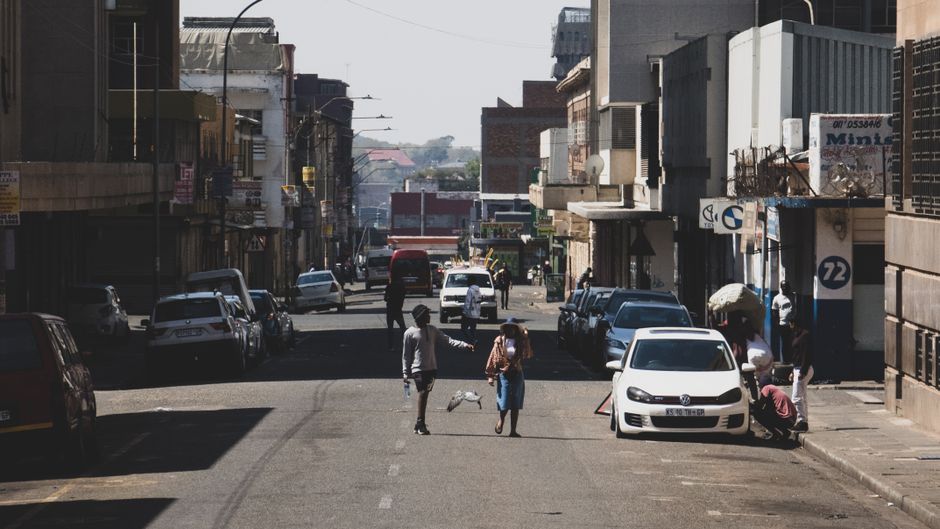
Remote Work Jobs Johannesburg: 2026 Guide
Discover how Johannesburg's remote work landscape is reshaping careers. Explore hybrid job trends, coworking hubs, and opportunities across Sandton, CBD, and beyond.
Discover how Johannesburg's remote work landscape is reshaping careers. Explore hybrid job trends, coworking hubs, and opportunities across Sandton, CBD, and beyond.
Johannesburg's professional landscape is undergoing a quiet but significant transformation. The rise of remote work, once considered a pandemic-era anomaly, has solidified into the city's employment fabric, reshaping how job seekers approach opportunities and how professionals plan their careers.
The numbers tell a compelling story. According to recent data from Johannesburg's Chamber of Commerce, approximately 43% of tech and professional services roles now offer hybrid or fully remote arrangements—a dramatic shift from the 12% recorded in 2022. For job seekers, this expansion has opened doors. Candidates in suburbs like Sandton, Rosebank, and the Johannesburg CBD can now compete for positions previously requiring daily office presence, while those in outer areas like Soweto and Ekurhuleni gain access to opportunities that geographical distance once excluded them from.
Yet opportunity comes with complexity. The proliferation of coworking spaces across the city—from established venues in Braamfontein and Maboneng to newer facilities emerging in Sunninghill and Midrand—means professionals must now evaluate workspace options strategically. Monthly memberships at premium coworking facilities in the CBD typically range from R3,500 to R8,000, while suburban alternatives in areas like Parktown and Illovo offer similar amenities at 20-30% discounts. For job seekers navigating interviews or first-day impressions, the choice between home office, coworking space, or corporate HQ carries unexpected weight.
The implications extend beyond workspace selection. Employers increasingly expect technological proficiency—reliable internet, professional background setup, and video conferencing competency—as baseline requirements. Job seekers should prioritize these skills during their search. Additionally, the blurred boundaries between remote and office work have created new unspoken rules. Professionals report that establishing clear communication protocols and demonstrating self-motivation matter more than physical presence, particularly for roles in finance, marketing, and software development sectors dominant in Johannesburg's economy.
For those navigating career transitions, the hybrid model offers unexpected leverage. Rather than accepting traditional office-bound positions, professionals can now negotiate arrangements that suit their circumstances—critical for parents managing school runs or those managing health considerations.
The warning: not all sectors embrace flexibility equally. Legal, accounting, and client-facing roles often maintain stricter office requirements. Job seekers should research company culture thoroughly during application stages, asking explicit questions about remote work policies rather than assuming flexibility.
As Johannesburg solidifies its position as Africa's tech hub, the future of work here isn't about choosing between office or home—it's about strategic alignment between personal circumstances, role requirements, and workplace culture. Those who understand this nuance will navigate the 2026 job market most effectively.
This article was compiled by AI and screened before publishing. See our editorial standards.
How does this story make you feel?
Spread the word
About this article
Published by The Daily Johannesburg
Daily brief
Free, in your inbox before 7am. Weekdays.
More in tech