Johannesburg's Aquatic Elite Prepare for High-Stakes National Finals
With the 2026 SA National Swimming Championships set to crown new champions, local pools from Sandton to Soweto are buzzing with athletes chasing Olympic-qualifying times.
With the 2026 SA National Swimming Championships set to crown new champions, local pools from Sandton to Soweto are buzzing with athletes chasing Olympic-qualifying times.
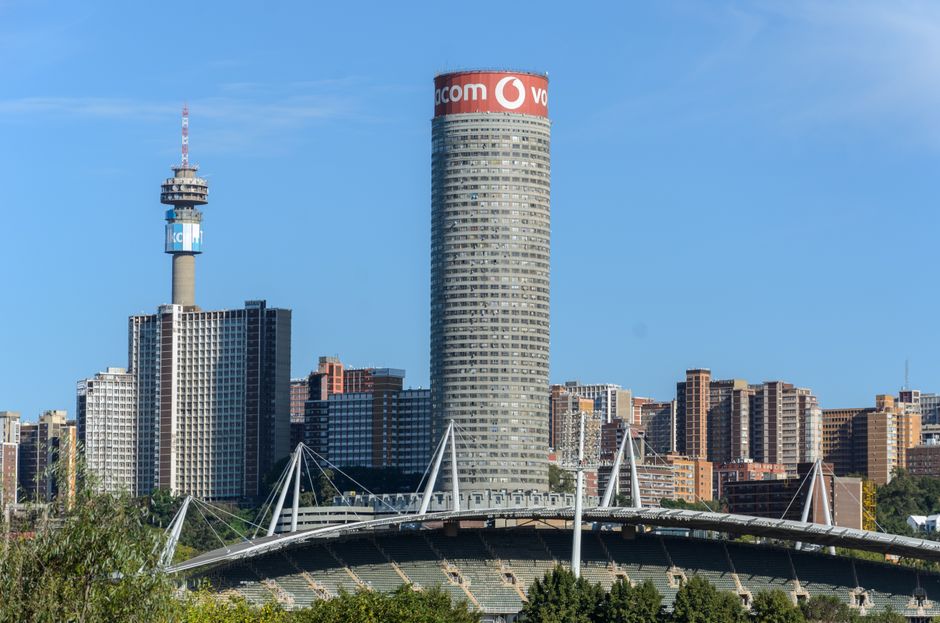
The final stretch of Johannesburg's competitive swimming season is upon us, and the city's aquatic centres are crackling with intensity as athletes across all disciplines prepare for the National Finals in August. From the gleaming facilities at the Johannesburg Country Club in Bryanston to the recently renovated Olympic-size pool at Ellis Park in Doornfontein, local swimmers are ramping up their preparations ahead of what promises to be the most competitive domestic championships in years.
The significance of these finals cannot be overstated. For South Africa's aquatic athletes, a top-three finish in key events translates directly into Commonwealth Games selection and, more crucially, the opportunity to chase Olympic qualifying standards ahead of the 2028 Los Angeles Games. Johannesburg's swimmers have historically dominated the national scene, and this year's cohort shows no signs of relinquishing that advantage.
Data from Swimming South Africa indicates that Gauteng-based competitors claimed 47 per cent of medals at last year's nationals, with Johannesburg clubs accounting for roughly two-thirds of those podium finishes. The Wanderers Swimming Club, based in Illovo, has already sent six athletes to training camps in preparation, while Bryanston Swimming Club reports their most comprehensive squad in a decade competing across age groups.
The freestyle events remain the headline acts, with the men's 200m and women's 100m races expected to deliver the year's tightest finishes. However, this season has witnessed a resurgence in breaststroke and butterfly competitors, particularly among junior athletes aged 14 to 18, suggesting the sport's developmental pipeline remains robust across the city's suburbs.
Accessibility remains a concern for emerging talent. Pool fees at premium facilities in northern suburbs hover around R850 monthly for competitive swimmers, pricing out many aspirants from townships. However, initiatives through the City of Johannesburg's aquatic programme have expanded subsidised training at facilities in Soweto and Alexandra, democratising access to elite coaching.
The atmospheric conditions heading into August present another variable. Johannesburg's altitude and dry winter climate can affect aerobic performance, forcing many elite swimmers to undertake altitude-acclimatisation protocols in their final preparation weeks.
As the finals approach, the question isn't whether Johannesburg will dominate the medal table—that's almost assumed—but rather which emerging talents will announce themselves on the national stage, and who will stamp their credentials for international selection. The city's aquatic community is watching closely.
This article was compiled by AI from the sources linked above and screened before publishing. See our editorial standards.
How does this story make you feel?
Spread the word
About this article
Published by The Daily Johannesburg
Daily brief
Free, in your inbox before 7am. Weekdays.
More in Sport