On any given Saturday morning in Soweto, the Jabulani Sports Complex buzzes with activity that extends far beyond official municipal programming. Five-a-side football tournaments, netball clinics, and volleyball matches draw hundreds of participants—many organised not by government bodies or corporate sponsors, but by neighbourhood volunteers who have turned grassroots sport into a lifeline for their communities.
This is the real story of Johannesburg's sports scene: not the glittering stadiums or professional franchises, but the amateur leagues and clubs operating in Diepsloot, Alexandra, Chiawelo, and Mitchells Plain. These organisations, many run entirely by unpaid coordinators, have become anchors for social cohesion in areas where economic opportunities remain scarce.
The numbers tell a compelling tale. An informal survey conducted by the Johannesburg Sport and Recreation Department in 2025 identified approximately 340 active amateur sporting clubs across the city's townships and informal settlements. Most operate on budgets under R50,000 annually, relying on membership fees (typically R50–R150 per player per season) and community fundraising. Yet they engage an estimated 12,000 to 15,000 regular participants, with another 30,000 cycling through casual participation.
Consider the Braamfontein United Football League, which since 2019 has organised weekly matches across five divisions on the open grounds near Wits University. What began as eight teams meeting on Sundays has expanded to forty-two clubs, with administrative costs covered entirely through match fees and local business partnerships. League coordinator networks have replicated this model across the city—in Roodepoort, Tembisa, and the East Rand.
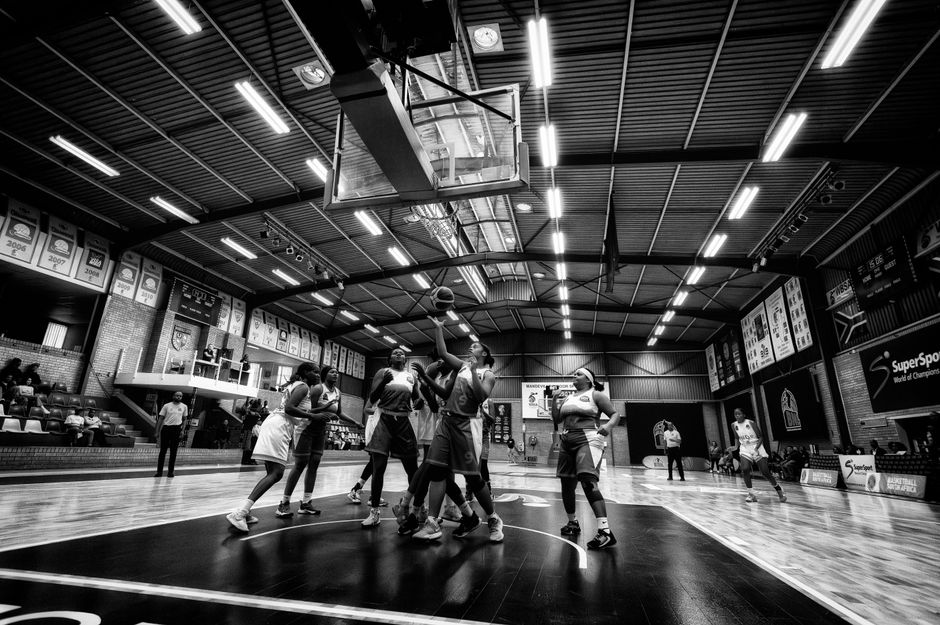
The impact extends beyond competition. Youth workers and social development professionals increasingly point to these amateur clubs as protective factors against gang involvement and substance abuse. In Alexandra, the Alexandra Youth Basketball Association reported that 87% of its registered players aged 14–19 remained in school or had completed Grade 12, against township averages closer to 62%.
Yet challenges persist. Most grassroots organisations lack formal registration, insurance coverage, or access to maintained facilities. Many operate on deteriorating municipal grounds with inadequate lighting and equipment. Without sustained investment, advocates warn, the momentum risks stalling.
Nevertheless, the movement reflects something authentic about Johannesburg's character: communities solving their own problems, building resilience through sport, and creating pathways for young people to thrive. In the suburbs and shopping malls, professional sport dominates headlines. In the townships, something equally vital is taking root—one match, one season, one young person at a time.
This article was compiled by AI from the sources linked above and screened before publishing. See our editorial standards.