Kaizer Chiefs' FNB Stadium Overhaul Signals New Era as Club Chases Silverware
With R180 million in renovations underway, the Naturena-based outfit is betting big on infrastructure to reclaim domestic dominance.
With R180 million in renovations underway, the Naturena-based outfit is betting big on infrastructure to reclaim domestic dominance.
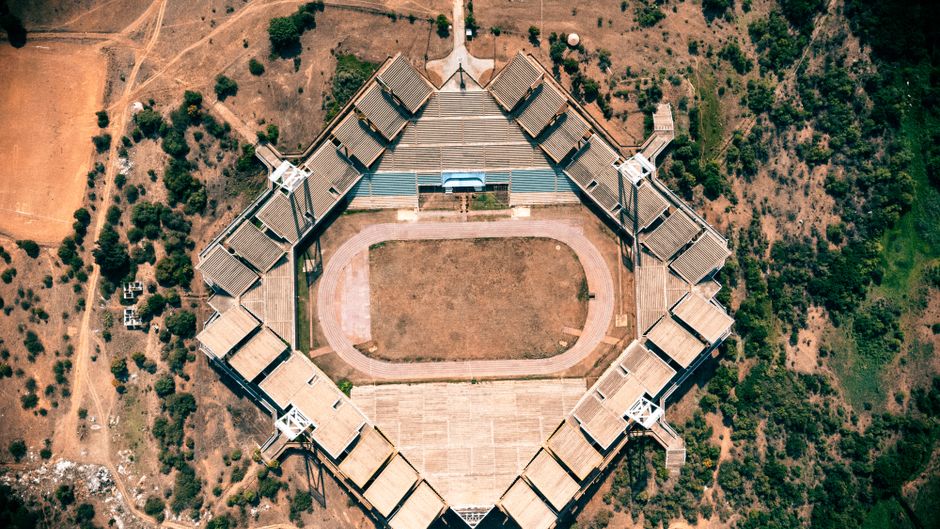
Kaizer Chiefs' ambitious redevelopment of their FNB Stadium operations marks a pivotal moment for one of South Africa's most storied franchises. As the club prepares for a crucial 2026-27 campaign following a season of inconsistency, management has committed to modernising the 94,736-capacity Nasrec fortress that has been their spiritual home since 1989.
The renovation programme, budgeted at approximately R180 million, encompasses enhanced player facilities at their Naturena training complex in Johannesburg's south, upgraded broadcast infrastructure at FNB Stadium, and a complete overhaul of the VIP hospitality suites overlooking the pitch. These aren't cosmetic changes—they represent a structural shift in how the club intends to compete regionally and domestically.
"Stadium infrastructure directly impacts player performance and fan experience," explains sports management analyst Dr Thabo Mthembu from the University of Johannesburg's Department of Sport Management. "When a club invests this significantly, it signals serious intent to stakeholders—players, sponsors, and supporters alike."
The Chiefs' announcement comes amid intense competition within the Gauteng corridor. Rival Orlando Pirates recently completed their own Soweto stadium improvements, while SuperSport United has leveraged their Pretoria base effectively. For Chiefs, whose supporter base extends throughout Johannesburg's northern and eastern townships, the FNB upgrades represent reclamation of competitive advantage.
Recent performances have tested supporter patience. The club's last domestic league title came in 2015, a championship drought that has fuelled questions about strategic direction. Yet current management insists infrastructure forms the foundation for renewed success. The Naturena facility's new player recovery centre, equipped with cryotherapy and advanced physiotherapy equipment, aims to reduce injury rates that plagued the squad last season.
Financially, the investment reflects confidence from parent company Kaizer Sports and Entertainment. Season ticket prices at FNB Stadium remain relatively accessible—ranging from R2,800 to R8,500 annually depending on seating—suggesting management believes competitive improvement will drive attendance revenue beyond current 60-70% stadium capacity averages.
For Johannesburg's football ecosystem, the Chiefs' commitment matters significantly. The city hosts three major PSL stadiums—FNB, Orlando Stadium in Soweto, and Loftus Versfeld's satellite venues—making infrastructure investment a competitive necessity. As fans return to the terraces following post-pandemic volatility, clubs must offer modern match-day experiences.
Whether the capital expenditure translates to trophies remains the ultimate question. But as the 2026-27 season approaches, Kaizer Chiefs have positioned themselves to compete—not just on the pitch, but in the facilities that increasingly define elite football clubs globally.
This article was compiled by AI from the sources linked above and screened before publishing. See our editorial standards.
How does this story make you feel?
Spread the word
About this article
Published by The Daily Johannesburg
Daily brief
Free, in your inbox before 7am. Weekdays.
More in Sport