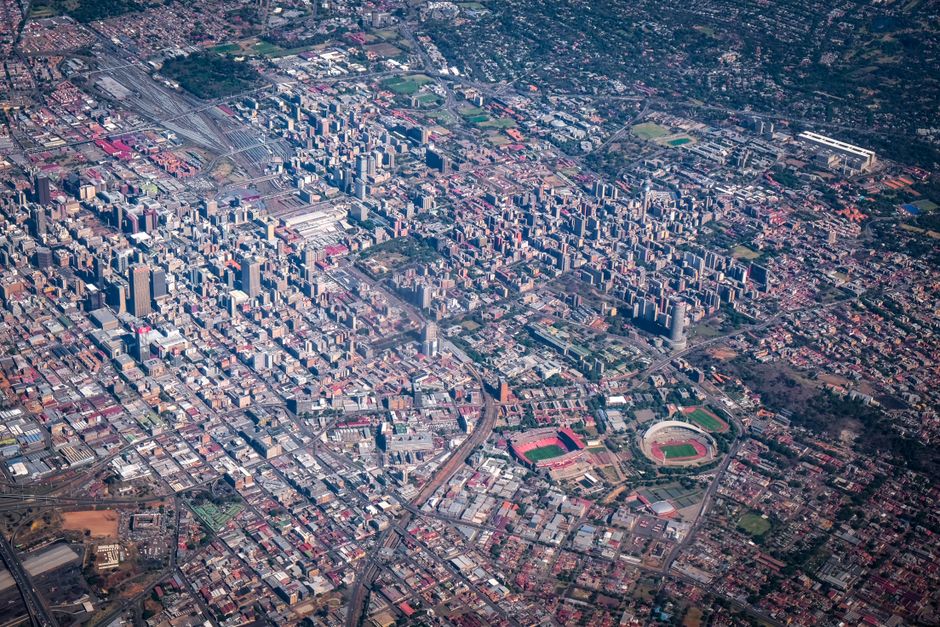
Johannesburg's fitness landscape has undergone a seismic shift over the past three years, with a wave of investment in training infrastructure transforming neighbourhoods from the northern suburbs to the inner city. What was once dominated by traditional gyms has evolved into a diversified ecosystem of specialised facilities catering to everything from Olympic-standard weightlifting to grassroots community sport.
The northern suburbs have seen the most visible expansion. Sandton and Rosebank now boast state-of-the-art multi-disciplinary complexes featuring Olympic lifting platforms, climate-controlled studios, and strength-and-conditioning zones that rival international standards. These venues, typically charging between R800 and R1,500 monthly, have attracted serious athletes preparing for continental competitions and casual fitness enthusiasts seeking premium experience. The demand has been buoyed by Johannesburg's status as a hub for regional sports development, particularly in weightlifting and CrossFit.
But the story extends far beyond the wealthy enclaves. In Soweto and the East Rand, community-based facilities have emerged as vital infrastructure supporting grassroots athletic talent. Facilities operating on modest budgets—many charging R150 to R300 monthly—now provide access to equipment and coaching that previously remained out of reach for township youth. Boxing clubs in particular have experienced a renaissance, with several established operations in Diepkloof and Meadowlands serving as pipelines for emerging professional fighters.
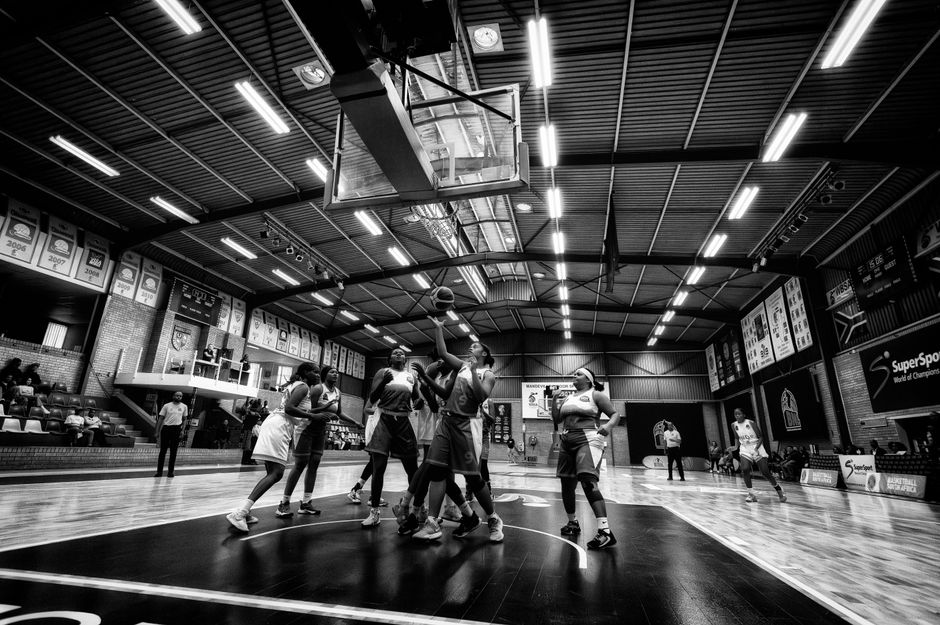
The Johannesburg City Council's partnership with Sports and Recreation South Africa has accelerated investment in municipal facilities across Alexandra, Hillbrow, and Braamfontein. These neighbourhood hubs blend traditional gym infrastructure with multipurpose courts suited for basketball, netball, and volleyball—addressing chronic underinvestment in inner-city sport infrastructure that had plagued these areas for decades.
Recovery and performance science have also left their mark. Sports science laboratories and physiotherapy clinics, once concentrated in Bedfordview and the medical districts, now operate integrated models within larger fitness complexes. This reflects growing recognition that elite performance demands holistic support systems.
The expansion hasn't been frictionless. Questions persist about accessibility pricing in premium venues and sustainability funding for community facilities. Yet the trajectory is undeniable: Johannesburg's fitness infrastructure now supports aspirations ranging from casual wellness to Olympic ambition, creating a more inclusive ecosystem for athletic development across the city's diverse communities. For a metropolis building its reputation as Africa's sports capital, this infrastructure evolution signals serious commitment to making that vision tangible.
This article was compiled by AI from the sources linked above and screened before publishing. See our editorial standards.